
The Science of Staying Fresh
The primary enemies of your delicious Diwali treats are air and moisture. Oxygen in the air leads to oxidation, which makes fats in ghee and nuts turn rancid, causing off-flavours. It also helps bacteria and mould to grow. Moisture from the air can turn crispy
chaklis and mathris soft, while making dry sweets like barfi sticky. Vacuum sealing tackles this problem head-on by removing almost all the air from a package before sealing it tight. By creating an airless environment, you dramatically slow down spoilage, retain the original taste and texture, and extend the shelf life of food without using chemical preservatives.
A Guide to Sealable Treats
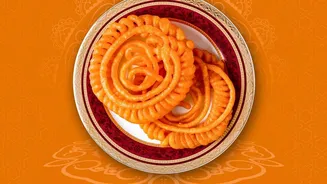
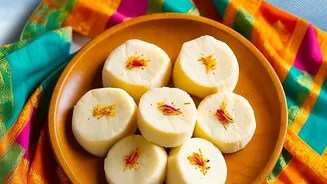
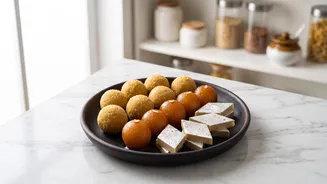
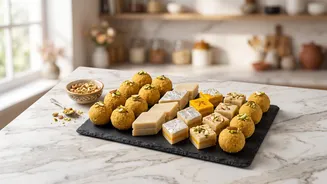
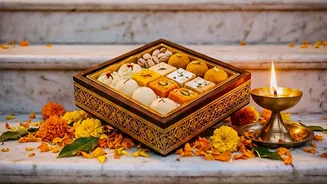
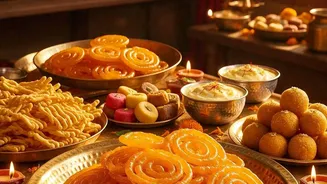
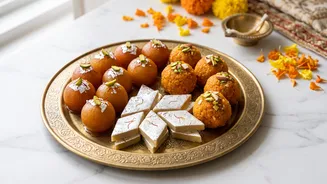
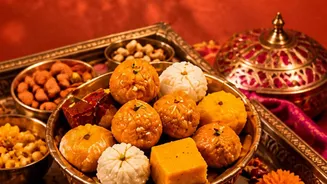
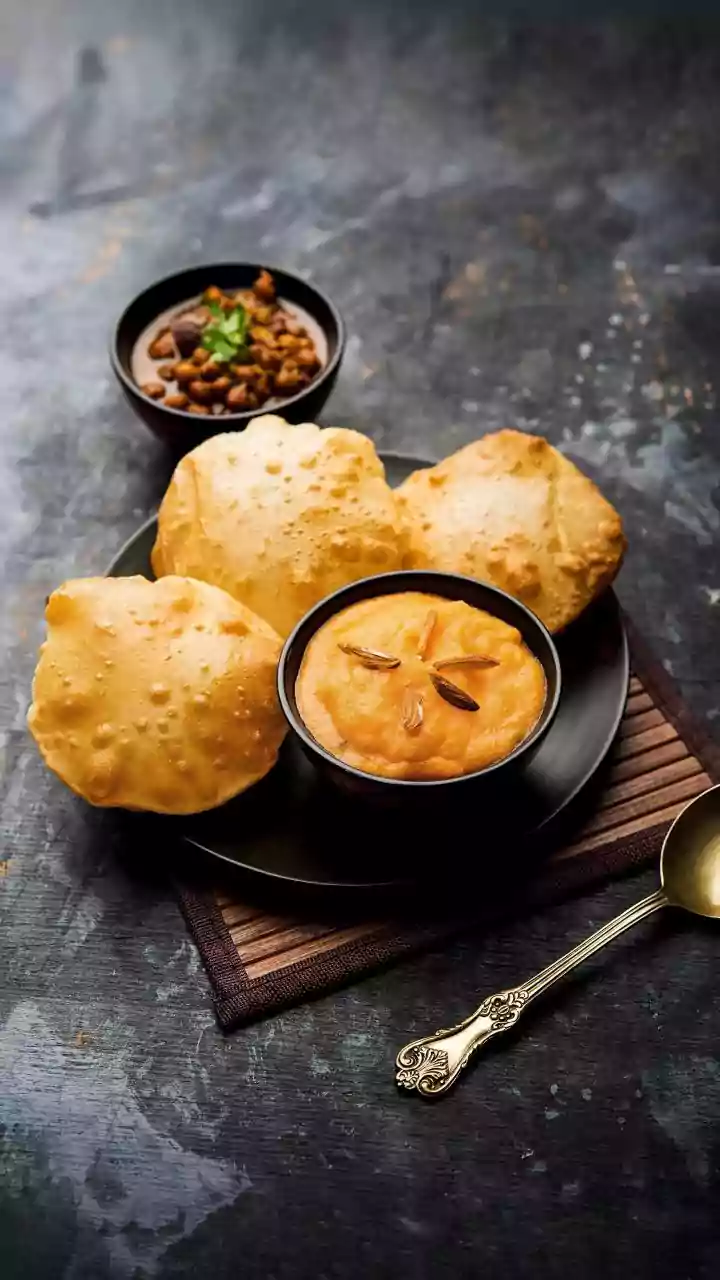
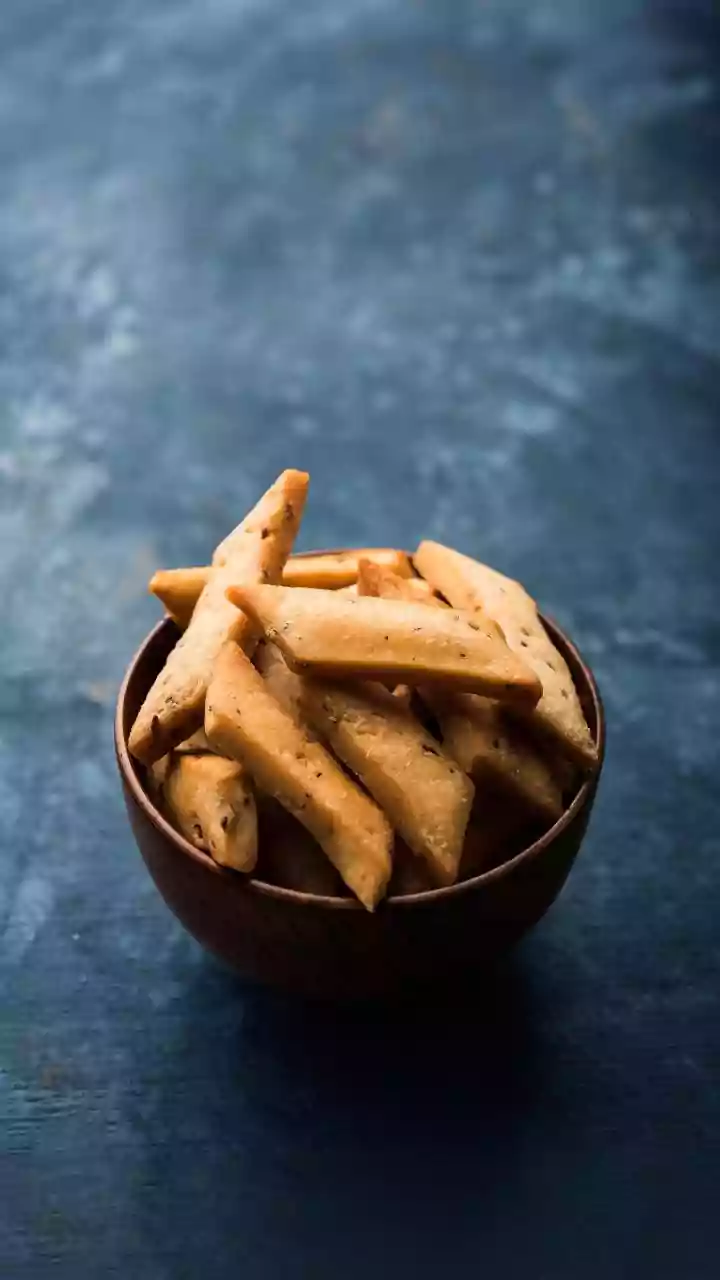
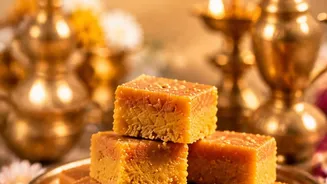
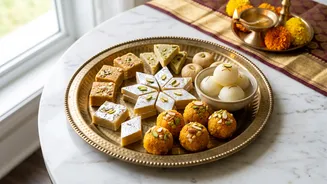
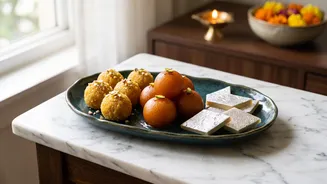
While vacuum sealing is a fantastic tool, not all sweets and savouries are created equal. Success depends on choosing the right candidates. Dry and semi-dry items are generally your best bet. These include most fried snacks like chakli, sev, mathri, and shankarpali. Once they are completely cool, they can be sealed to protect their crunch. Drier sweets such as besan laddoos, atta laddoos, dry fruit barfis, and coconut-based sweets also preserve very well. However, you should be careful with very soft or delicate items. Delicate sweets like sandesh or extremely soft pedas can be crushed by the pressure of the vacuum. Syrupy sweets like gulab jamun or rasgulla are not ideal for standard vacuum sealing as the liquid can be drawn into the machine.
Your Step-by-Step Sealing Process
Ready to lock in that festive freshness? The process is simple. First and foremost, ensure all your sweets and savouries are completely cool. Sealing warm items will trap condensation, introducing the very moisture you're trying to eliminate, which can lead to sogginess and spoilage. Arrange the items in a single layer inside the vacuum sealer bag, being careful not to overfill it. For softer items like laddoos or barfis, you can 'flash freeze' them for 1-2 hours on a tray before sealing. This helps them hold their shape under the vacuum pressure. Once your items are in the bag, simply follow your machine’s instructions to remove the air and create a strong seal. Remember to label and date each bag so you know what’s inside and when you stored it.
Smart Storage After Sealing
Vacuum sealing is a method of preservation, not magic. Where you store the sealed packages is just as important as the sealing itself. For dry savouries like chakli and mathri, a cool, dark pantry is perfectly fine. They will remain crisp and flavourful for many weeks. Sweets, especially those containing milk solids (khoya) or ghee like barfis and laddoos, should be stored in the refrigerator even after sealing to prevent any residual fats from spoiling. In the fridge, vacuum-sealed mithai can last for several weeks instead of just a few days. For even longer storage, the freezer is your best friend. Vacuum-sealed sweets and snacks are protected from freezer burn and can last for many months, sometimes even up to a year or more.
Getting the Best Results
A few extra tips can elevate your food preservation game. To prevent sweets from sticking together, you can wrap them individually in parchment paper before placing them in the sealer bag. This is especially useful for items like kaju katli. When sealing anything with sharp edges, like the corners of shankarpali, be mindful that they could puncture the bag; arranging them carefully can prevent this. Finally, if you don't own a vacuum sealing machine, you can try a DIY water displacement method: place your food in a zip-top freezer bag, and slowly lower it into a bowl of water, allowing the water pressure to force the air out through the top before you seal it shut. It's a low-cost way to achieve a similar, though less perfect, result.