





A Green Response to Urban Life
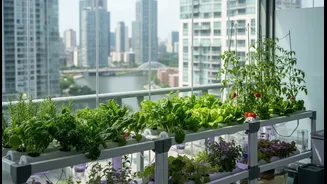
In cities like Mumbai, Bengaluru, Pune, and Delhi, a growing number of residents are turning their compact outdoor spaces into lush sanctuaries. This trend, accelerated since the pandemic, is a direct response to the increasing disconnect from nature
in urban environments. For many, especially young professionals navigating hybrid work and digital fatigue, gardening offers a tangible escape. It’s a chance to slow down, nurture a living thing, and reconnect with the physical world away from screens. Social media platforms have played a huge role, with thousands of Indian gardeners sharing their successes and struggles, making the hobby feel accessible and aspirational for everyone.
Why Monsoon is a Magical Time
While one might think the heavy rains would be a deterrent, the monsoon is actually a golden season for gardening. The consistent moisture, cooler temperatures, and high humidity create ideal growing conditions. Plants that struggled through the harsh summer heat seem to awaken overnight. The natural irrigation saves on watering chores, and the moist soil makes tasks like weeding easier. The rain also helps wash dust off leaves and even enriches the soil with atmospheric nitrates, acting as a natural fertiliser. It's a season of revival, where balconies transform into verdant oases with astonishing speed.
The Stars of the Rainy Season
Certain flowers seem made for the Indian monsoon, rewarding gardeners with weeks of continuous colour. Balsam (Gulmehndi) is a classic, producing soft, camellia-like flowers in pink, white, and violet. The cheerful oranges and golds of Marigolds are a staple in Indian homes and thrive during the rains. Hibiscus bushes erupt with large, trumpet-shaped blooms, attracting butterflies to balconies. Zinnias and Cosmos stand up well to downpours, while the heady fragrance of Jasmine (Mogra) is amplified by the humidity. And as their name suggests, Rain Lilies often surprise with blooms that appear almost magically after a shower.
Your Guide to a Monsoon Garden
Inspired to start your own balcony garden? The monsoon is the perfect time. The key is managing the excess water. First, ensure every pot has drainage holes at the bottom to prevent roots from rotting. Using a light, well-aerated soil mix, perhaps with coco peat or sand, is crucial. While the rain takes care of most watering, be mindful not to overwater on days it doesn’t rain. If you have succulents, cacti, or other fleshy-leaved plants, it's best to move them under a cover to avoid them rotting in the continuous rain. Finally, regular, gentle pruning will encourage new growth and help maintain good air circulation, which is important for preventing fungal diseases in the humid weather.
More Than Just a Hobby
This trend goes beyond aesthetics; it's about building a connection. Balcony gardens are becoming hotspots for biodiversity, with many city gardeners now creating 'pollinator balconies' to attract bees and butterflies, helping support local ecosystems. They foster a sense of community, both online and among neighbours, and provide immense mental health benefits, offering a daily dose of mindfulness and a sense of purpose. For many, tending to their plants has become a therapeutic ritual that reduces stress and sparks joy, especially in the confines of city living. This movement is a testament to the human need to nurture and grow, creating small pockets of nature that improve both personal well-being and the urban environment.