

Why the Weather Is So Unpredictable
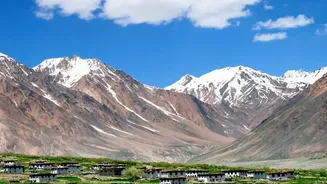
Late summer, spanning from the end of August through September, is a transitional period in Ladakh. While Ladakh is a rain-shadow region, meaning it receives significantly less rain than the rest of India during the monsoon, it's not entirely immune.
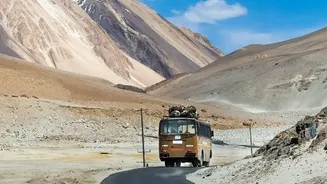
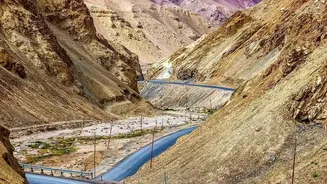
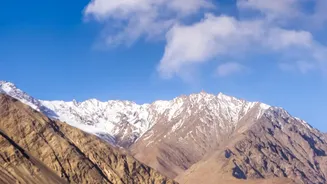
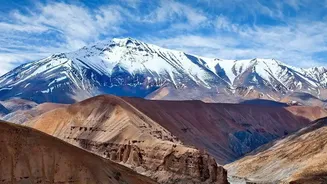
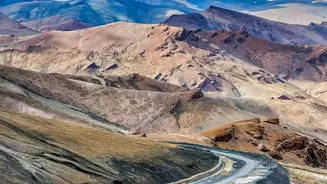
The tail end of the monsoon can still bring moisture over the high passes, leading to sudden downpours in the valleys or, more critically, snow at higher elevations. This period sees a constant battle between lingering warm air and the rapid onset of autumn's cold, dry winds. This clash is what fuels the region's infamous weather volatility, where a sunny morning can turn into a freezing afternoon without much warning. The dramatic changes are most pronounced on the journey to Ladakh, with the Manali-Leh and Srinagar-Leh highways being particularly susceptible to weather-induced disruptions like landslides.
Sun, Snow, and Rain in a Single Day
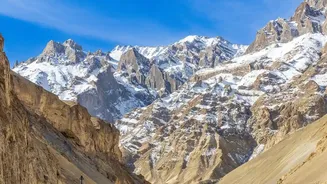
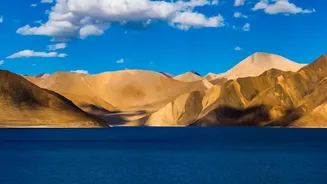
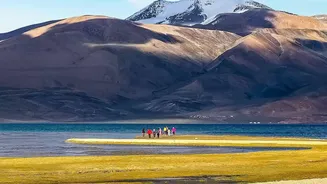
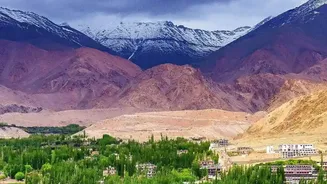
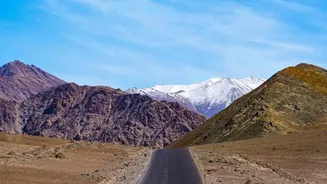
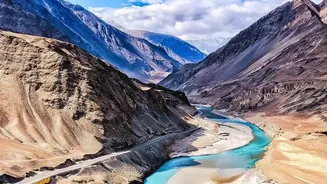
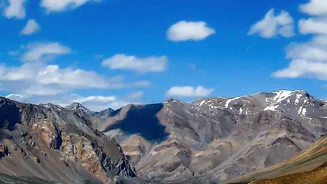
Experiencing multiple seasons in one day is classic Ladakh. You might start your morning in Leh under a warm, brilliant sun, with temperatures comfortable enough for a light jacket. However, as you drive towards Nubra Valley via Khardung La or to Pangong Lake via Chang La, the weather can shift dramatically. It's common for clouds to gather quickly at these high passes, bringing a sharp drop in temperature, biting winds, and even sudden snowfall. These flurries can be intense enough to temporarily close roads. Similarly, a scenic drive along the Indus River might be interrupted by an unexpected, though usually brief, rain shower. This is why local advice always emphasizes not to judge the day's weather by how it looks in Leh. Nights, even after a warm day, will be consistently cold, often dropping close to freezing, especially near high-altitude lakes like Pangong and Tso Moriri.
Your Essential Late-Summer Packing List
The key to comfort and safety in Ladakh is layering. Instead of one heavy winter coat, pack multiple layers you can add or remove as conditions change. Your wardrobe should include: A base layer of thermal wear (top and bottom) is essential for cold nights and early mornings. A mid-layer, such as a fleece jacket or light woollen sweater, provides insulation. An outer shell that is both windproof and waterproof is non-negotiable to protect you from wind chill and sudden showers. For bottom wear, comfortable trekking pants are more practical than jeans. For footwear, sturdy walking or hiking shoes with good grip are crucial. Beyond clothing, sun protection is vital. The high altitude means intense UV exposure, so pack SPF 50+ sunscreen, a wide-brimmed hat, and UV-protection sunglasses. A good moisturiser and lip balm with SPF will combat the dry air.
Acclimatisation and Health Precautions
The risk of Acute Mountain Sickness (AMS) is real in Ladakh, and sudden weather changes can put additional stress on the body. AMS is caused by ascending to a high altitude too quickly, and symptoms include headache, nausea, dizziness, and fatigue. The golden rule is to acclimatise properly. If flying into Leh (altitude approx. 11,500 ft), you must rest for at least 24 to 48 hours before venturing to higher altitudes. During this time, avoid strenuous activity and alcohol. Hydration is crucial; aim to drink 3-4 litres of water daily to help your body adjust. Physical fitness does not grant immunity to AMS; gradual ascent is the only effective prevention. If symptoms persist or worsen, the only cure is to descend to a lower altitude immediately.
Plan for Flexibility and Road Safety
The roads to and within Ladakh, particularly the Manali-Leh and Srinagar-Leh highways, can be affected by weather. Late-summer rain or early snowfall can cause landslides or create slippery conditions on high passes like Zoji La, Baralacha La, and Tanglang La. Local authorities may close roads with little notice to ensure safety. Because of this, it is wise to build at least one or two buffer days into your itinerary. This flexibility allows you to wait out a road closure without derailing your entire trip. Before starting a long drive, always check the latest road status with local authorities or your taxi union. This proactive approach ensures you are not stranded in a remote area with limited facilities. The Border Roads Organisation (BRO) works tirelessly to clear blockages, but nature sometimes dictates the schedule.