






A Greener Alternative to Plastic Foam
For decades, rigid foam boards made from materials like polystyrene have been a go-to for insulating buildings. While effective, they are derived from petroleum, a non-renewable resource, and their manufacturing process can be energy-intensive. Furthermore,
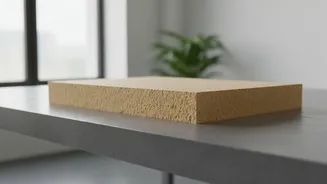
disposal of these plastic foams contributes to long-term environmental pollution. In response, researchers are pioneering insulation made from wood fibres. This innovative material, often called cellulose foam, is created by breaking down wood into fine particles or nanofibers and then foaming and drying the resulting suspension. The result is a lightweight, porous material that offers a sustainable alternative, leveraging the planet's most abundant natural polymer: cellulose.
The Environmental Advantage
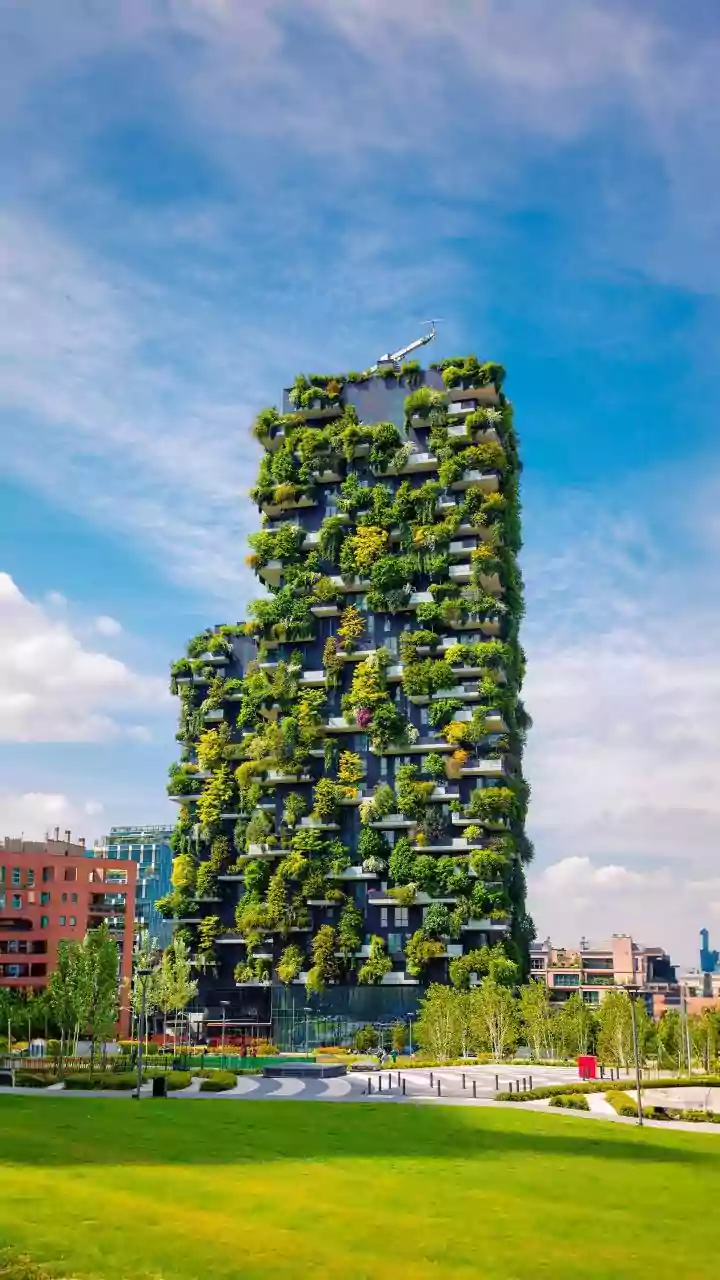
The benefits of shifting from petroleum-based to wood-based insulation are significant. Wood is a renewable resource, and when managed sustainably, it can act as a carbon sink, storing carbon for the life of the building. Using wood fibres, which can be sourced from industrial byproducts like lignin from the paper industry, also promotes a circular economy. Unlike their plastic counterparts, many wood-foam formulations are designed to be biodegradable and recyclable through existing paper recycling systems. Life-cycle analyses have shown that wood-fibre foam can have a carbon footprint that is 60% to 90% lower than conventional plastic foams used for similar purposes. This represents a major step toward reducing the embodied carbon in our buildings—the total greenhouse gas emissions associated with materials and construction.
The High Cost of Innovation
Despite its environmental appeal, wood-fibre foam has faced a major barrier to widespread adoption: cost. The production process has historically been complex and energy-intensive, particularly the drying stage. Traditional methods like freeze-drying, while effective at creating a uniform porous structure, are slow and expensive, making it difficult to scale up for industrial production. Directly oven-drying the wet foam often causes the structure to collapse, reducing its insulative properties. As a result, wood-fibre insulation products have often carried a price premium compared to established materials like mineral wool or polystyrene, limiting their use to projects where sustainability goals outweigh budget constraints.
Research Breakthroughs Lowering the Barrier
This is where the "current update" becomes crucial. Researchers across the globe are making significant strides in overcoming these production hurdles. Scientists have developed new methods that are both more efficient and cost-effective. One promising approach involves refining the oven-drying process by using cellulose nanofibers (CNFs) to stabilize the foam's bubbles, preventing collapse. Others are exploring microwave-assisted drying, which dramatically reduces the energy and time required compared to freeze-drying. Recent funding, such as a SEK 4.26 million grant to Swedish company Fibu, is helping to scale up these patented, more cost-effective production processes for commercial use. These advancements are key to closing the price gap with conventional insulators.
From Lab Bench to Building Site
While the thermal insulation properties of some wood foams are now competitive with polyurethane, several challenges remain before they become a common sight on construction sites. One major focus is improving mechanical durability; the foam's insulating ability decreases if it's crushed or damaged, so researchers are working to make it more robust for everyday use. Other practical considerations include scaling up manufacturing from pilot plants to full industrial capacity and ensuring the materials meet stringent building codes for fire safety, moisture resistance, and long-term stability. The production method itself, which involves creating solid boards that need to be cut and fitted, is more complex than simply injecting liquid polyurethane foam into a wall cavity.
What This Means for the Future
For builders and homeowners in India, a market experiencing rapid urban growth, the advent of a cost-effective, sustainable insulation material is a significant development. As building energy efficiency regulations tighten globally, the demand for high-performance, eco-friendly materials is set to grow. While wood-fibre foam is not yet on the shelf at your local hardware store, the consistent progress in research suggests it is moving from a niche concept to a commercially viable product. The global market for wood fibre insulation board was valued at $4.8 billion in 2025 and is projected to grow, indicating strong industry and consumer interest. As production scales and costs continue to fall, this innovative material could play a vital role in creating more energy-efficient and environmentally responsible buildings for the next generation.