



The Mighty Millet Revival
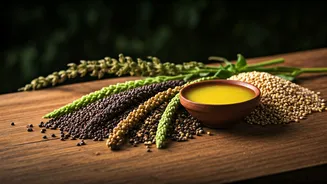
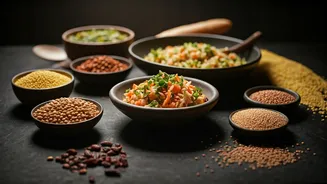
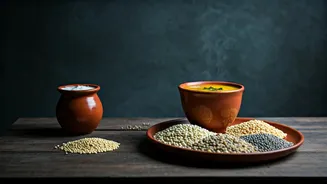
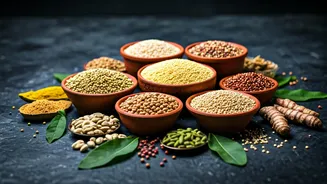
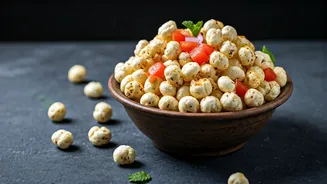
Remember when rotis were not just made of wheat? Jowar, bajra, and ragi are stepping out of the shadows of rural kitchens and onto urban dining tables. For decades, these millets were seen as 'coarse grains,' but now they are celebrated for being exactly
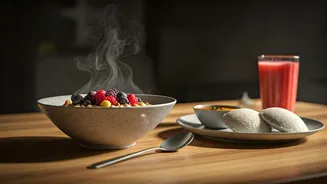
that. They are gluten-free powerhouses packed with fibre, protein, and essential minerals like magnesium and iron. Their low glycemic index makes them a fantastic choice for managing blood sugar levels. With the UN declaring 2023 the 'International Year of Millets,' India is leading a global movement to bring these hardy, climate-resilient grains back. From ragi dosas and jowar upma to millet-based cookies and pasta, the modern Indian kitchen is creatively re-embracing its roots.
Moringa: The Miracle Tree
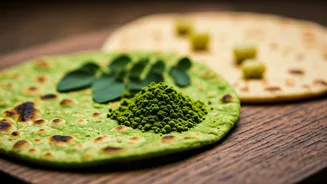
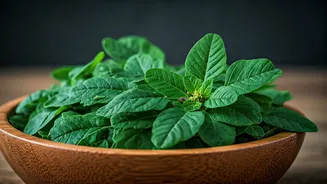
Almost every part of the moringa (drumstick) tree has been used in traditional medicine for centuries, but its leaves are now its main claim to fame. Once a simple ingredient in sambar, moringa has exploded onto the global wellness scene as a potent green powder. Why the hype? It’s one of the most nutrient-dense plants on the planet. Ounce for ounce, moringa leaves contain more Vitamin C than oranges, more potassium than bananas, and a significant amount of protein, iron, and amino acids. Its powerful antioxidant and anti-inflammatory properties are backed by modern studies, validating what our ancestors knew all along. People are now adding moringa powder to smoothies, teas, and even parathas to get a daily dose of this incredible green.
Ghee: From Villain to Hero
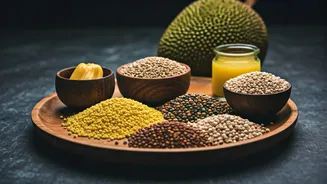
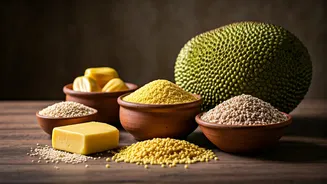
Perhaps no food has had a more dramatic comeback than ghee. For years, it was demonised, blamed for cholesterol and heart problems, and replaced by refined vegetable oils. But the tide has turned dramatically. Nutrition science now recognises ghee as a source of healthy fats, including conjugated linoleic acid (CLA), which has been linked to fat loss. It’s also rich in fat-soluble vitamins like A, E, and D, and has a high smoke point, making it a stable and safe cooking fat. Ghee is also revered in Ayurveda for its ability to aid digestion and reduce inflammation. This liquid gold is no longer something to be used sparingly; it’s being celebrated as a vital, nourishing fat that belongs in every Indian kitchen.
Amla: The Timeless Immunity Booster
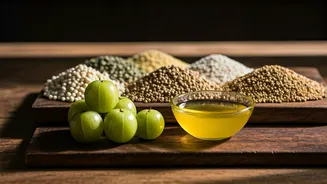
The humble amla, or Indian gooseberry, has never truly been forgotten, but its status as a premier superfood is stronger than ever. This small, sour fruit is one of the richest known natural sources of Vitamin C—a single amla can contain as much as 20 oranges. This antioxidant firepower makes it a formidable ally for your immune system, helping fend off common colds and infections. It’s also fantastic for skin and hair health, which is why it’s a key ingredient in so many Ayurvedic formulations. While amla murabba (sweet preserve) is a classic, the berry is finding new life in fresh juices, convenient powders, and candy-like supplements, making it easier than ever to get your daily dose of this ancient wellness secret.
Turmeric: The Golden Spice Glow-Up
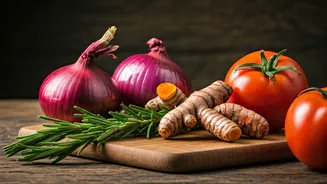
Haldi is the cornerstone of Indian cooking, but its role is expanding from a simple spice to a medicinal powerhouse. The magic lies in its active compound, curcumin, which is a highly potent anti-inflammatory and antioxidant. While we’ve always benefited from it in our curries, the wellness world has zeroed in on maximising its effects. Enter the 'haldi doodh' or 'golden milk' trend, which has taken cafes by storm globally. The combination of turmeric with black pepper (which enhances curcumin absorption) and a healthy fat like ghee or coconut milk creates a powerful anti-inflammatory elixir. This isn't about just adding colour to a dish anymore; it's about intentionally harnessing the healing power of India’s most iconic spice.