




From Kitchen Waste to Garden Wonder
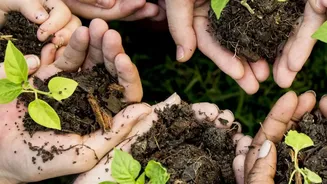
Composting is nature's recycling program. It’s the process where organic materials, like your vegetable peels, fruit rinds, and coffee grounds, are broken down by microorganisms into a dark, crumbly, soil-like substance. This end product, known as compost,
is one of the most effective ways to improve your garden soil without spending a rupee on chemical fertilizers. By turning kitchen waste into compost, you not only divert a significant amount of garbage from landfills, which reduces harmful methane gas emissions, but you also create a powerful, all-natural amendment that brings life back to your soil.
A Slow-Release Superfood for Plants
Think of compost not as a quick fix, but as a long-term nutritional supplement for your garden. It is packed with essential macronutrients like nitrogen, phosphorus, and potassium, as well as a host of vital micronutrients. Unlike synthetic fertilizers that deliver a sudden, intense jolt of nutrients which can sometimes harm plants and leach into groundwater, compost releases its nutrients slowly and steadily. This ensures your plants get a consistent, balanced diet as the organic matter continues to break down, promoting stronger stems, more vibrant flowers, and healthier root systems.
Building Superior Soil Structure
One of the most significant benefits of compost has to do with the physical makeup of your soil. If you have heavy clay soil that becomes waterlogged, compost helps loosen it, creating air pockets for roots to breathe and grow. If your soil is sandy and drains too quickly, compost acts like a sponge, binding particles together to improve water retention. This balancing act results in a loamy, workable texture that allows plant roots to delve deeper, accessing water and nutrients more efficiently. This improved structure also makes soil more resilient to both drought and heavy rainfall.
Fostering a Thriving Underground Ecosystem
Healthy soil is a bustling metropolis of microscopic life. Compost is teeming with beneficial bacteria, fungi, protozoa, and other microorganisms that are essential for a healthy soil food web. When you add compost to your garden, you are inoculating the soil with this vibrant community. These microbes are the true workhorses, breaking down organic material into forms that plants can absorb, helping to cycle nutrients, and even suppressing diseases by outcompeting harmful pathogens. This living ecosystem works in symbiosis with your plants, creating a natural defence system and reducing the need for chemical pesticides.
How to Start Your Own Kitchen Compost
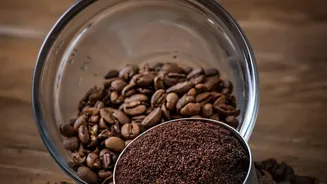
Creating your own compost is simpler than you might think. The key is to maintain a healthy balance between 'greens' and 'browns'. 'Greens' are nitrogen-rich materials from your kitchen, such as fruit and vegetable scraps, tea bags, and coffee grounds. 'Browns' are carbon-rich materials like dried leaves, shredded newspaper or cardboard, and straw. A good rule of thumb is to aim for a ratio of about two to three parts brown material for every one part green material. Avoid adding meat, dairy, bones, or oily foods, as these can attract pests and create odours. Keep your compost pile or bin moist but not soggy—like a wrung-out sponge—and turn it every week or two to introduce oxygen, which speeds up decomposition. In a few months, you'll be rewarded with rich, earthy compost ready for your plants.