







The Humidity Factor: It's Not Just the Heat
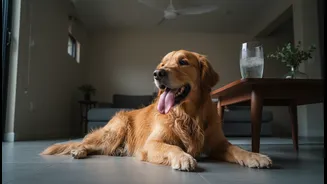
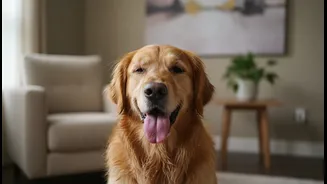
We often focus on the temperature, but in a country like India, humidity is the bigger issue for our pets. Dogs and cats can't cool down by sweating like humans. Dogs cool themselves primarily by panting, which is an evaporative process that exchanges
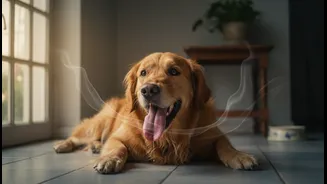
hot air for cool air. Cats will groom themselves, using the evaporating saliva to cool down. However, when the air is already saturated with moisture (high humidity), this evaporation process becomes inefficient. Their primary cooling mechanism fails, causing their body temperature to rise dangerously fast, even when they are indoors and out of the direct sun. This is why a humid 32°C day can be more dangerous for a pet than a dry 38°C day.
Recognising Real Distress vs. Discomfort
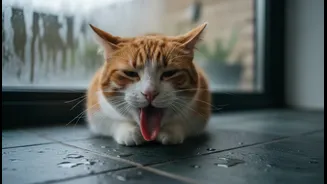
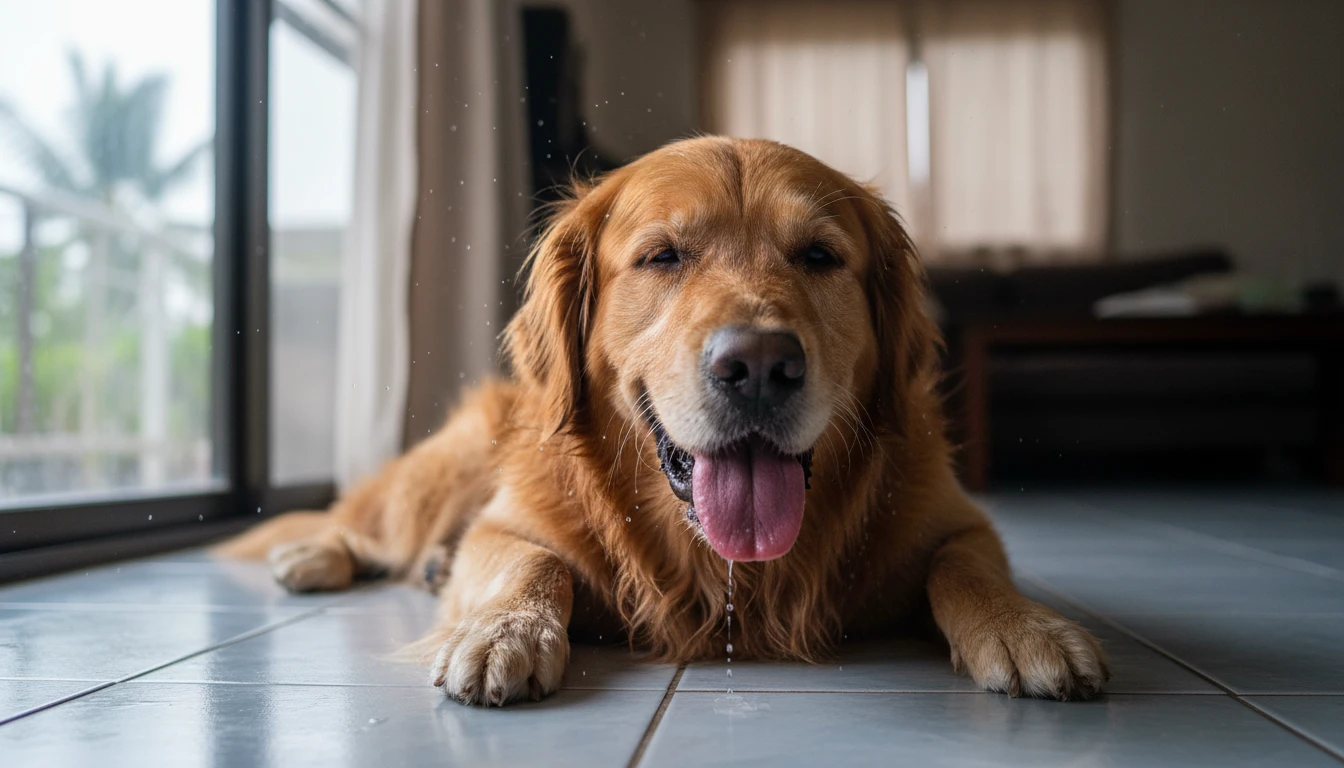
A pet lying on a cool tile floor on a hot day is likely just regulating its temperature. It's crucial to distinguish this from genuine heat distress, which can escalate to life-threatening heatstroke. Early signs include excessive panting that doesn't stop with rest, heavy drooling, and restlessness. In cats, who hide their discomfort well, open-mouth breathing is a serious red flag. As the condition worsens, you might see bright red or pale gums, weakness, stumbling, confusion, vomiting, or diarrhoea. Severe signs like collapse or seizures are a medical emergency requiring immediate veterinary intervention.
Which Pets Are Most at Risk Indoors?
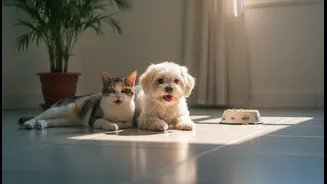
Not all pets face the same level of risk. Brachycephalic, or short-nosed, breeds are particularly vulnerable. The compressed facial structure of Pugs, Bulldogs, Boxers, and Persian cats makes it difficult for them to pant effectively even in normal conditions. Add high humidity, and their risk of overheating skyrockets. Other high-risk groups include very young or elderly pets, those who are overweight, and animals with thick, dark coats or underlying heart and respiratory conditions. Understanding your specific pet's vulnerability is a key part of responsible ownership.
Practical Steps for a Safer Humid Home
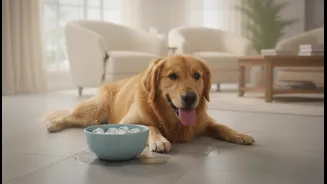
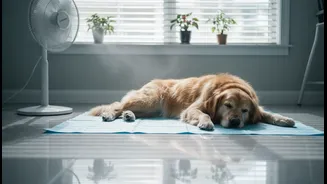
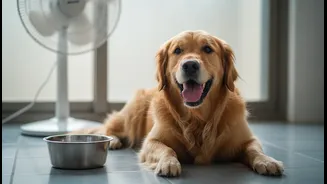
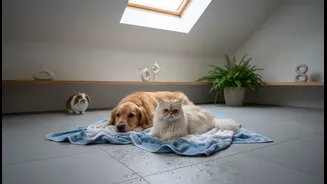
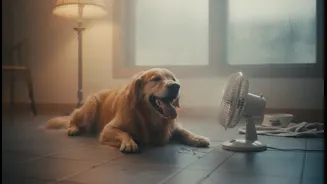
Keeping pets safe indoors doesn't always require constant air conditioning, though it is the most effective solution. Good air circulation is vital; use ceiling fans or table fans to keep air moving. Closing curtains during the hottest parts of the day can block the greenhouse effect from windows. Ensure your pet has access to cooler flooring like tile or marble. Always provide multiple bowls of fresh, cool water, adding ice cubes on particularly hot days. You can also lay down damp towels for your pet to lie on or gently wipe them down with a cool, wet cloth. Finally, avoid encouraging strenuous indoor play during the peak heat and humidity of the day.
What to Do in an Emergency
If you suspect your pet is suffering from heatstroke, time is critical. Immediately move them to the coolest, best-ventilated area in your home. Begin cooling them by pouring cool—not ice-cold—water over their body, focusing on the neck, abdomen, and paws. Using ice or ice water is dangerous as it can cause blood vessels to constrict, trapping heat and potentially leading to shock. Point a fan at them to aid evaporative cooling. You can offer small sips of cool water, but do not force them to drink. While you are doing this, you or another person should be contacting an emergency veterinarian. Even if your pet seems to recover, they need to be professionally examined as heatstroke can cause internal organ damage that isn't immediately visible.