






The Damp and Fungal Connection
Fungi flourish in warm, moist, and dark environments, making your feet inside damp shoes the perfect breeding ground during the monsoon. When your feet remain wet for extended periods—either from walking through puddles or from sweat trapped in non-breathable
footwear—the skin's natural protective barrier weakens. This prolonged moisture creates an ideal setting for fungal spores, which are common in our environment, to multiply and cause infections. Conditions like athlete's foot (tinea pedis) and fungal nail infections become much more common. The constant dampness can lead to soggy, soft skin, especially between the toes, which is more susceptible to tiny cuts and abrasions, giving fungi an easy entry point.
Recognising Common Monsoon Foot Infections
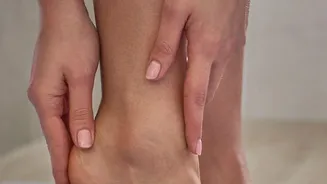
The most frequent offender is athlete's foot, a fungal infection that typically starts between the toes. Symptoms include intense itching, stinging, and a burning sensation. You might notice the skin becoming scaly, peeling, cracking, or even developing painful blisters or open sores. A persistent unpleasant odour, even after washing, can also signal a fungal or bacterial issue. Another common problem is a fungal nail infection, which causes toenails to become discoloured, thickened, brittle, and sometimes separate from the nail bed. Ignoring these early signs can lead to the infection spreading or becoming more severe.
Your Daily Defence: Prevention is Key
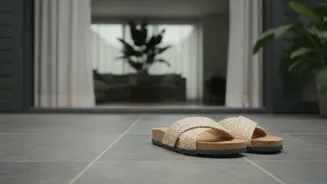
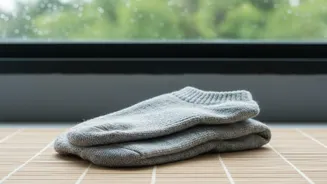
The golden rule for monsoon foot care is to keep your feet as clean and dry as possible. Always wash your feet with soap and water after coming in from the rain, paying close attention to the spaces between your toes. After washing, dry them thoroughly with a clean towel; rubbing can damage delicate skin, so patting dry is better. Choosing the right footwear is crucial. Opt for open-toed, waterproof sandals or floaters that allow air to circulate and water to drain away. If you must wear closed shoes, choose ones made of breathable materials and never wear the same pair two days in a row; this allows them at least 24 hours to dry out completely. Always wear clean, moisture-wicking socks, preferably made of cotton or bamboo, and change them immediately if they get damp.
Simple At-Home Care and Remedies
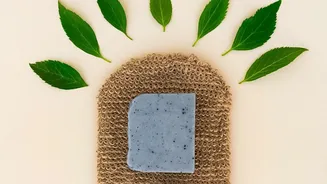
For daily prevention and mild issues, dusting your feet and the inside of your shoes with an antifungal powder can help absorb excess moisture. If you do find yourself with early signs of an infection, over-the-counter antifungal creams, sprays, or powders are often effective. For a home remedy, a foot soak in a solution of equal parts vinegar and water can create an acidic environment that discourages fungal growth. Tea tree oil, known for its antifungal properties, can be applied in a diluted form to affected areas. A weekly foot scrub with a pumice stone can also help by removing dead skin, but it's important not to be too aggressive, as this can break the skin.
When to Consult a Doctor
While many monsoon foot problems can be managed at home, certain signs warrant a visit to a healthcare professional. If a rash on your foot doesn't improve after two weeks of using an over-the-counter antifungal treatment, it's time to seek medical advice. You should also see a doctor if you notice signs of a more severe infection, such as significant swelling, redness, pus, fever, or open sores that won't heal. People with diabetes should be particularly cautious, as even minor foot injuries or infections can lead to serious complications, and they should consult their doctor at the first sign of a problem.