



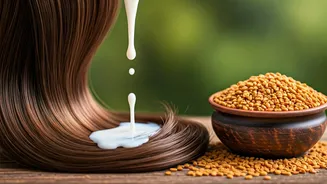
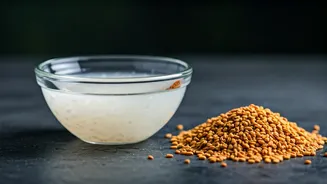



The Tradition Behind the Trend
For centuries, rice water and fenugreek (methi) have been staples in hair care routines across Asia. The women of the Yao ethnic group in China, famous for their exceptionally long and healthy hair, have traditionally used fermented rice water to wash
and nourish their locks. In India, fenugreek seeds have long been a go-to Ayurvedic remedy for concerns like hair fall and scalp issues. Now, this ancient wisdom has captured global attention, with countless online tutorials promising transformative results. The appeal is understandable: these remedies are natural, affordable, and easily made at home. But what does science say about their effectiveness?
Decoding the Power of Rice Water
The milky liquid left over after soaking or boiling rice is far from just starchy waste. It's packed with nutrients, including amino acids, B vitamins, vitamin E, and minerals. The star ingredient is often cited as inositol, a carbohydrate that studies suggest can penetrate damaged hair, remaining inside the shaft even after rinsing to help strengthen and protect it. Fermenting the rice water, a popular practice, lowers its pH to be more in line with the hair's natural acidity, which helps to close the cuticles, reduce friction, and increase shine. While robust scientific proof linking it directly to hair growth is still limited, the components within rice water are known to improve hair elasticity and reduce breakage.
What About Fenugreek (Methi)?
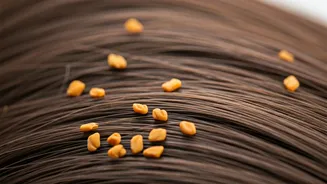
Fenugreek seeds are a nutritional powerhouse for hair. They are a rich source of iron and protein, two critical nutrients for hair growth. They also contain a unique blend of compounds like flavonoids and saponins, which have anti-inflammatory and antifungal properties that can help create a healthier scalp environment. Another key component is lecithin, a natural emollient that can help hydrate the hair and strengthen roots. While large-scale human studies are sparse, some smaller studies and a wealth of anecdotal evidence suggest fenugreek can help reduce hair shedding, combat dandruff, and improve overall hair strength and shine.
Better Together? The Ultimate DIY Treatment
While both ingredients are beneficial on their own, combining them may create a synergistic effect. The slightly acidic pH of fermented rice water could help the beneficial compounds from fenugreek penetrate the hair shaft and scalp more effectively. Together, they offer a comprehensive treatment: rice water works to strengthen the hair strand itself, while fenugreek focuses on nourishing the roots and scalp. This combination provides proteins, vitamins, and anti-inflammatory properties, tackling multiple issues like breakage, dryness, and scalp irritation at once.
How to Use Them Safely at Home
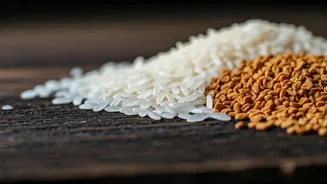
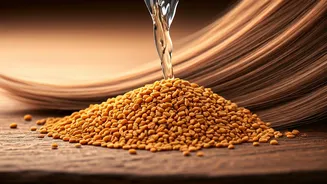
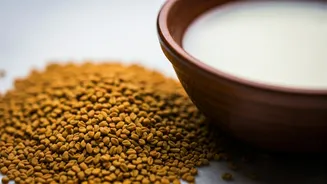
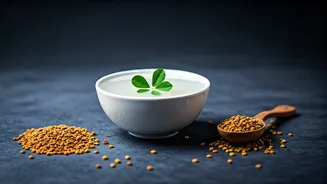
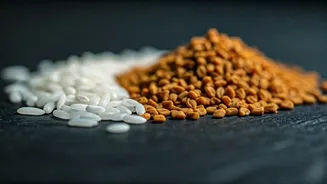
Creating your own hair rinse is simple. Start by soaking a half cup of uncooked rice and two tablespoons of fenugreek seeds in two cups of water overnight. The next day, strain the liquid into a clean jar. You can use it immediately or let it sit at room temperature for another 24 hours to ferment, which enhances its properties. To use, shampoo your hair as usual, then pour the mixture over your hair and scalp. Gently massage it in for 5-10 minutes and let it sit for about 20 minutes before rinsing thoroughly. You can follow up with a conditioner if needed.
Potential Risks and Considerations
Despite their natural origins, these treatments aren't without potential downsides. Rice water contains protein, and overusing it can lead to 'protein overload,' especially for those with low-porosity hair. This can make hair feel dry, stiff, and brittle. It's best to start by using the rinse once a week and seeing how your hair responds. Fenugreek can be irritating for some skin types, so a patch test is always recommended before applying it to your entire scalp. If you experience any significant irritation or increased hair loss, discontinue use and consult a dermatologist.