


The Soul of the Desert
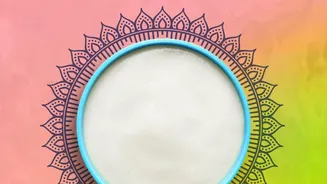
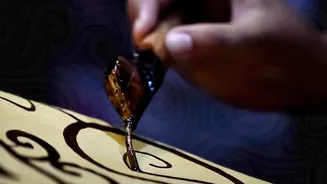
Lippan Kam, also known as mud and mirror work, is a traditional art form with deep roots in the Kutch region of Gujarat. Historically, it was practised by various communities, particularly the Rabari and Mutwa, primarily as a way to decorate their homes,
known as 'bhungas'. This wasn't just about aesthetics; the craft had a practical purpose. The thick application of mud, traditionally a mixture of clay and camel or cow dung, acted as a natural insulator, keeping the interiors cool during the harsh desert summers and warm in the winter. The small, embedded mirrors, or 'aabhla', would catch and reflect the scant light, brightening up the windowless homes while also being believed to ward off negative energy. The motifs were inspired by their surroundings and culture: geometric patterns, peacocks, camels, and flowering vines, all sculpted by hand. This art was a living tradition, passed down through generations, mostly by women, as a way to beautify their immediate world.
From Village Walls to Urban Panels
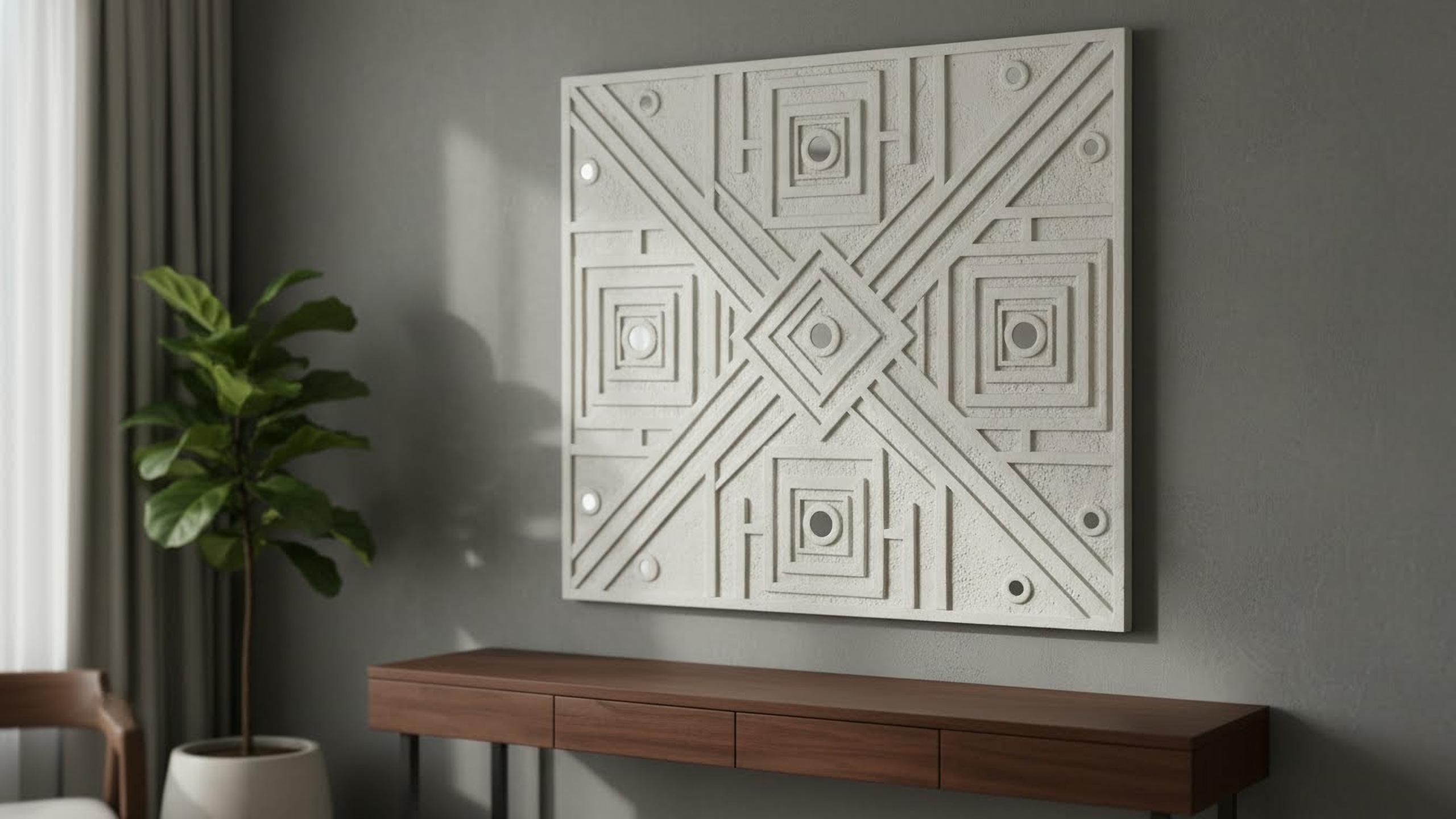
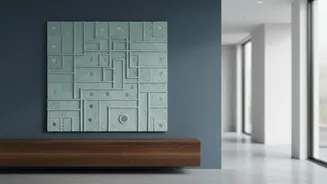
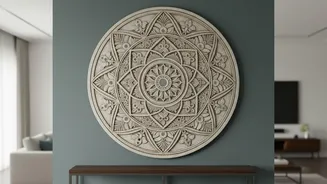
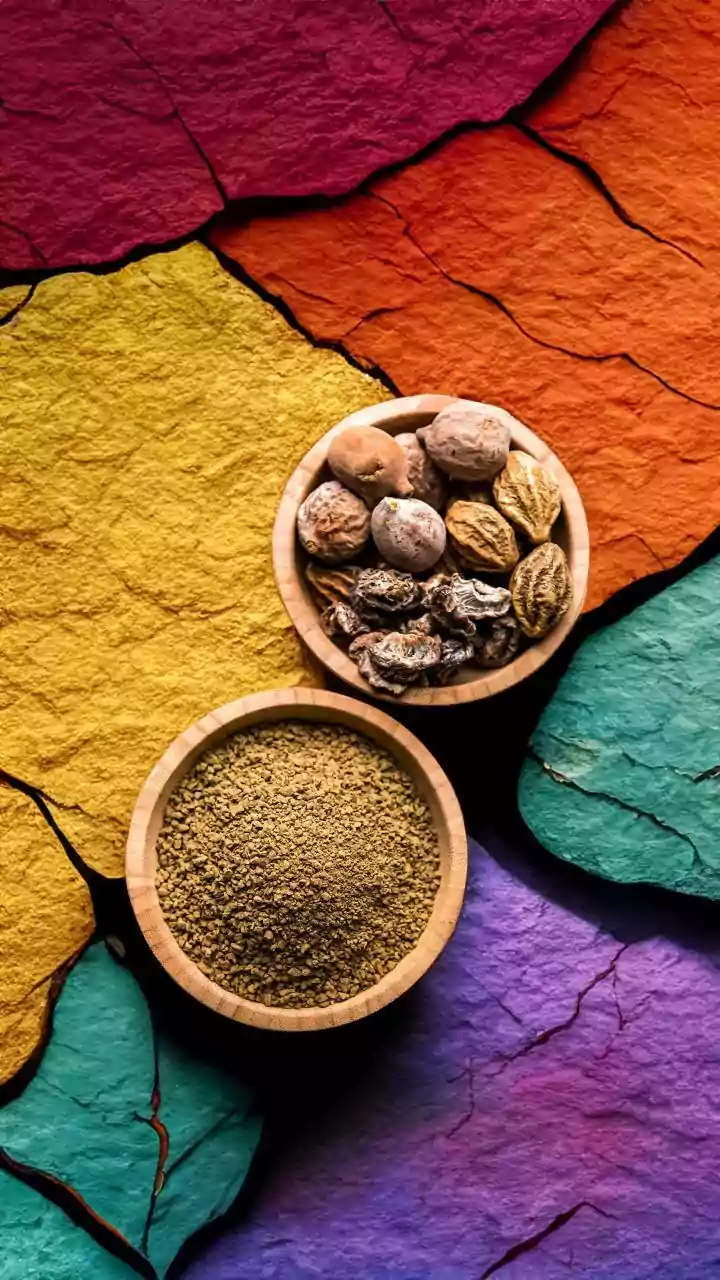
The Lippan Kam that now adorns the walls of apartments in Mumbai, Delhi, and Bangalore is both familiar and different. The most significant shift is its transition from a permanent architectural feature to a portable piece of art. Instead of being sculpted directly onto mud walls, artisans now create Lippan designs on MDF boards, plywood, and canvas. This simple change makes the art accessible to a global audience and suitable for modern homes without mud walls. The materials have also evolved. While some artisans maintain traditional recipes, many now use more durable and readily available alternatives like air-dry clay, chalk powder, or plaster of Paris mixed with adhesives. The iconic mirrors remain, but are often acrylic rather than hand-cut glass, making the pieces lighter and safer to transport.
The Artisan's New Canvas
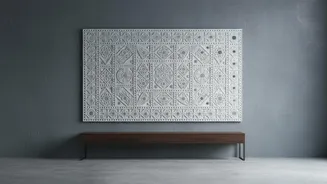
This evolution is driven by the artisans themselves, who are navigating a changing economic landscape. For many craftspeople in Kutch, modernising their art is a means of survival and a way to earn a respectable income. The decline of traditional pastoral livelihoods and the rise of a market for unique, handcrafted goods have created both a need and an opportunity. Artisans are not just labourers; they are designers who are consciously innovating within their tradition. They experiment with new colour palettes, moving beyond the traditional white or neutral tones to include vibrant hues that appeal to contemporary tastes. The designs are also being adapted, with some artists creating more minimalist, geometric patterns that fit seamlessly into modern interior design themes, while others continue to render traditional motifs in a new context. This blend of old and new allows them to connect with a wider, urban clientele that values authenticity but also seeks modern aesthetics.
An Aesthetic for the Modern Home
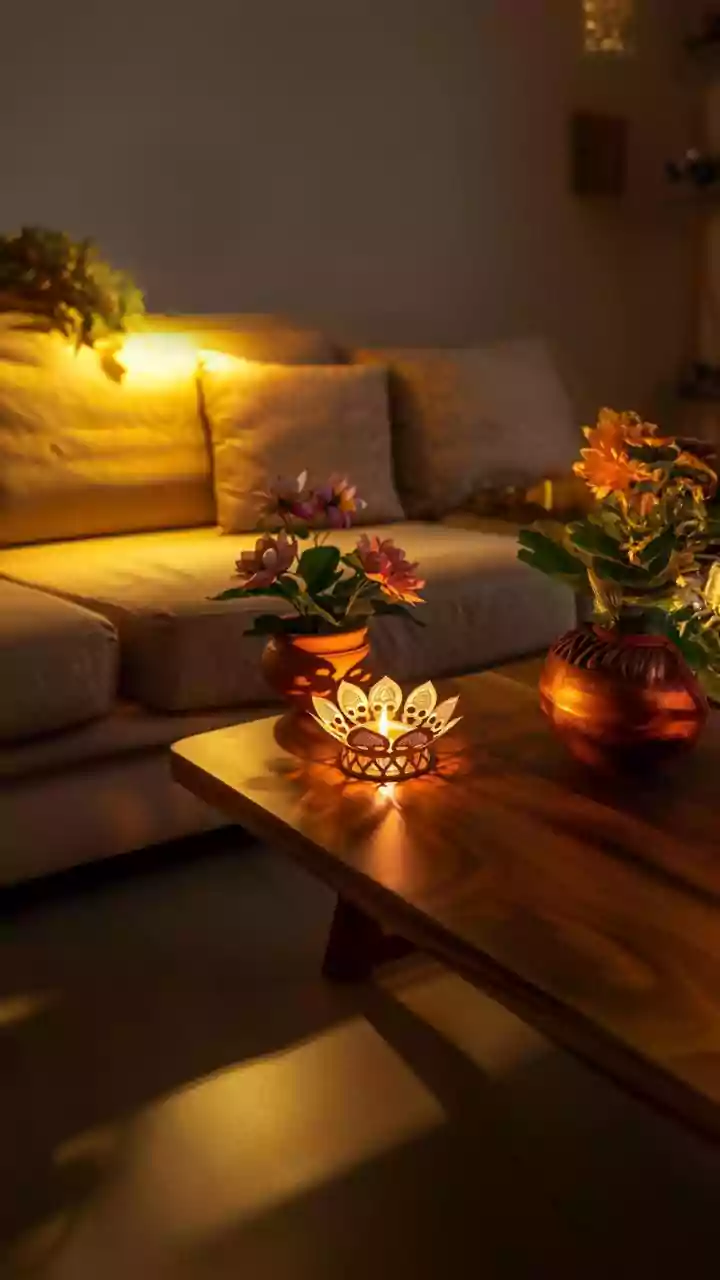
In metropolitan homes, Lippan art serves as a powerful statement piece. It brings a touch of earthy texture, cultural storytelling, and handmade warmth to spaces that can often feel generic. The reflective quality of the mirrors adds a dynamic element to a room, playing with light to make spaces feel brighter and more alive. For the modern Indian consumer, it represents a connection to their heritage—a piece of the village in the heart of the city. For a global audience, it is an authentic, eco-friendly decor choice that stands in stark contrast to mass-produced items. The art form’s versatility allows it to be incorporated in various forms beyond wall panels, including on furniture, coasters, and other home accessories, making it a flexible design element.