







The Baggage Blight
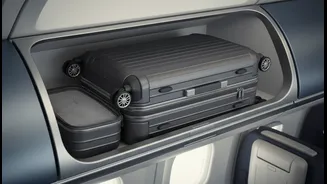
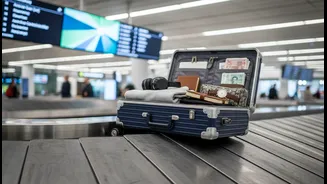
The most common surprise comes from baggage fees. Budget airlines have perfected the art of the 'unbundled' fare, where the initial price covers only a small personal item that fits under the seat in front of you. Want to bring a proper carry-on for the overhead
bin? That's an extra charge. A checked bag? That's another, often more expensive, fee. These costs can add up quickly, especially for a return trip. A family of four could see their total fare double before they even leave for the airport. Full-service carriers, while having higher base fares, often include at least one checked bag, making them potentially more economical for travellers who can't pack light.
The Airport Equation
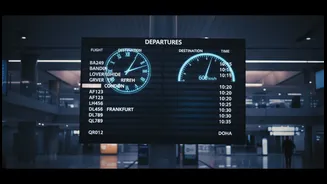
Where you land matters just as much as when. To keep their operating costs low, many budget airlines fly into secondary or regional airports. These are often located far from the city centre, adding significant time and expense to your journey. A cheap flight into an airport an hour or two away from your actual destination might require a costly taxi or a long bus ride, eroding your initial savings and eating into valuable vacation time. Always check the airport code and its location on a map before you book. A slightly more expensive flight into a central, well-connected airport can often be the more convenient and cost-effective choice in the end.
The True Cost of Timing
Cheap flights often come with inconvenient timings. Red-eye flights, very early morning departures, or late-night arrivals might seem manageable when booking, but they have hidden costs. An early morning flight might necessitate waking up in the middle of the night and paying for peak-time transport to the airport. A late arrival could mean missing public transport options and being forced to take an expensive taxi, or even needing to book an extra night of accommodation you hadn't planned for. When you factor in the cost of your time and the potential for a lost day of your trip due to exhaustion, a more conveniently timed flight can offer far greater value.
Comfort and Onboard Charges
The no-frills model extends to the in-flight experience. Budget airlines are known for cramped seating with less legroom compared to their full-service counterparts. Amenities that are often complimentary on traditional airlines, such as seat selection, drinks, snacks, and in-flight entertainment, all come at an extra cost on low-cost carriers. Even printing a boarding pass at the airport can incur a hefty fee. While these individual charges may seem small, they contribute to a less comfortable journey and a higher final bill. A full-service airline's inclusive offering might provide a more relaxing and predictable travel experience.
The Inflexibility Penalty
Life is unpredictable, but budget airline tickets are famously rigid. If your plans change and you need to amend or cancel your booking, the fees can be exorbitant—sometimes costing more than the original flight itself. Full-service carriers often provide more flexible fare options that allow for changes at a lower cost or even for free, depending on the ticket class. This lack of flexibility on budget airlines is a significant risk. If there's any uncertainty in your travel plans, the seemingly cheaper ticket could become a very expensive mistake.