






The Myth of Motivation
We often blame a lack of willpower when we skip a workout, but the real culprit is usually friction. Motivation is an emotion, a feeling that comes and goes. Relying on it to build a fitness routine is like waiting for a lightning strike to power your
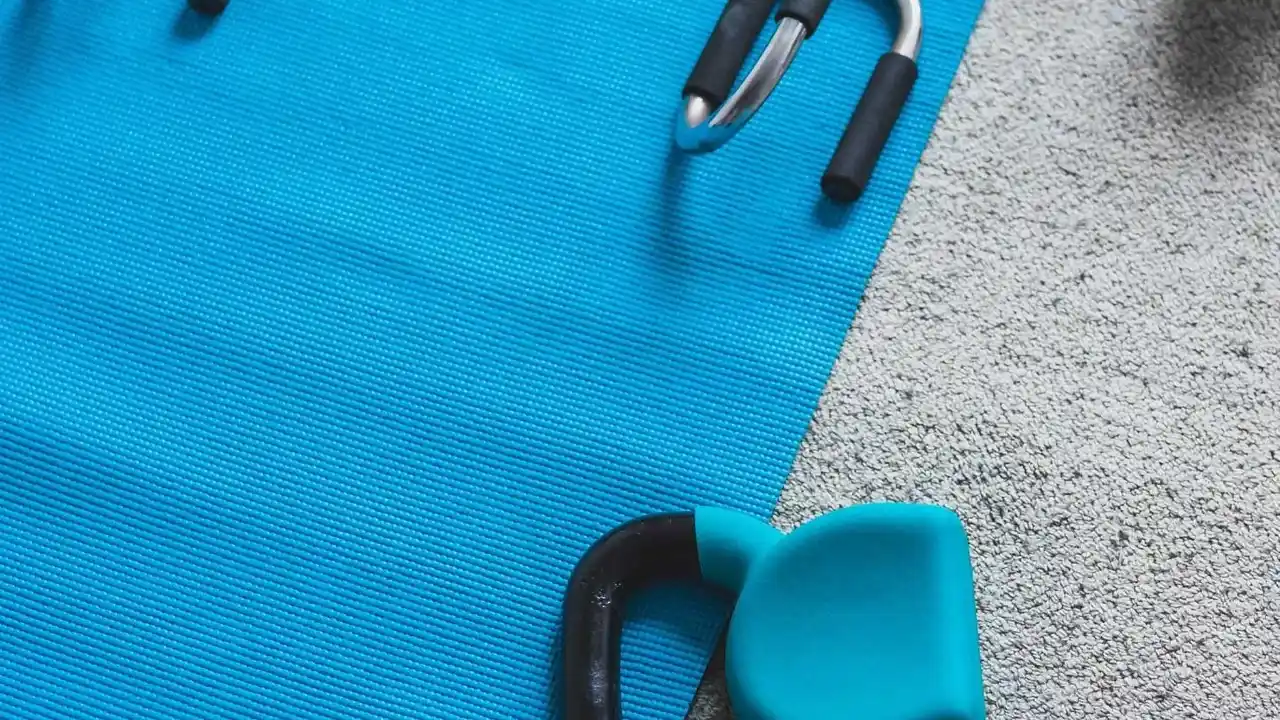
home; it's powerful but unpredictable. Our brains are wired to conserve energy, which means they naturally prefer the path of least resistance. When there are small barriers—like your workout clothes being in the dryer or your yoga mat being tucked away in a closet—your brain opts for the easier choice, which is often doing nothing. This isn't a personal failing; it's human nature. The secret isn't to find more motivation, but to design a life where less of it is needed.
Design Your Home for Movement
Your home environment is the most powerful tool you have. Start by making good habits obvious and easy. Lay out your workout clothes the night before, so they are the first thing you see. Keep your running shoes by the door. If you want to do home workouts, dedicate a small, clutter-free corner for it. You don't need a full-blown home gym; a space that is always ready for you removes the 'setup struggle,' which is a major source of friction. When the right choice is the most convenient one, it becomes almost automatic. Conversely, add friction to habits you want to avoid. If you spend too much time on the sofa, try placing your foam roller or a dumbbell there as a visual cue to move.
Automate Your Schedule and Actions
Beyond physical space, your schedule is a key part of your environment. One of the most effective strategies is 'habit stacking', a concept popularized by author James Clear. This involves linking a new fitness habit to an existing one. For example: "After I have my morning tea, I will do 15 minutes of stretching." This piggybacks on a behavior that is already automatic. Another technique is to schedule your workouts as non-negotiable appointments in your calendar. A consistent workout window, even if it's just a general time like 'morning' or 'after work', has been shown to increase consistency. Choosing a gym that is on your way home from work, rather than one that is even slightly out of your way, can make all the difference. The goal is to reduce the number of decisions you have to make throughout the day.
Your Kitchen Is Part of the Gym
Fitness isn't just about exercise; nutrition plays a massive role. The same principles of environmental design apply to your kitchen. Make healthy choices easy by keeping fruits and vegetables washed, chopped, and stored at eye-level in your fridge. Keep a water bottle on your desk as a constant reminder to stay hydrated. To curb unhealthy snacking, add friction. Don't keep junk food in the house. If you have to get dressed and drive to the store for a packet of chips, you are far less likely to do it on impulse. Prepping meals or ingredients for the week ahead removes the daily friction of deciding what to cook, making it easier to stick to your nutrition goals.
Curate Your Social Environment
The people around you are also part of your environment. Their habits, encouragement, and expectations can either support or sabotage your goals. Making your fitness journey social can provide accountability and make it more enjoyable. Find a workout buddy whose schedule aligns with yours. Join a running club or a group class where you feel a sense of community. Even sharing your goals with a supportive friend or family member can make you more likely to stick with them. This social structure acts as a positive force, creating an environment where showing up is the norm and exercising becomes a shared, positive experience rather than a solitary chore.