

Get Your Vehicle Monsoon-Ready
Your car is your first line of defence against a sudden storm, so ensuring it's in top condition is non-negotiable. Start with the essentials for visibility and control. Check that your windshield wipers are not cracked or hardened; they should clear
water in a single, clean swipe. If they leave streaks, replace them immediately. Next, inspect your tyres. Good tread depth is crucial for gripping wet roads and preventing hydroplaning, a dangerous situation where your vehicle floats on a thin layer of water. Ensure they are inflated to the correct pressure. Finally, test all your lights—headlights, taillights, and indicators. In heavy rain, visibility drops dramatically, and your lights are essential for seeing and being seen by other drivers.
Assemble a Car Emergency Kit
Being stranded is stressful, but having an emergency kit can make the situation manageable. Your monsoon car kit should contain a few key items. A powerful torch with extra batteries is essential, as phone batteries can die. Pack a first-aid kit, a tow rope, and jumper cables. Keep dry snacks and several litres of drinking water. A fully charged power bank for your mobile phone is a modern-day necessity for communication. It's also wise to include a raincoat and an umbrella, along with a microfibre cloth to quickly wipe away interior fog on the windshield and windows. Store important documents in a waterproof bag to protect them from potential water damage.
Use Digital Tools to Stay Informed
In an era of instant information, your smartphone is a powerful safety tool. Before heading out, always check the latest weather forecasts. Use navigation apps like Google Maps or Mappls, which provide real-time traffic updates, including information on waterlogging and road closures. These apps can help you find alternative routes and estimate your arrival time more accurately. Some platforms now even include user-reported alerts for fog and flooding, making the information more dynamic and reliable. Following the social media accounts of local traffic police and municipal corporations can also provide timely warnings and advisories.
How to Drive in Heavy Rain
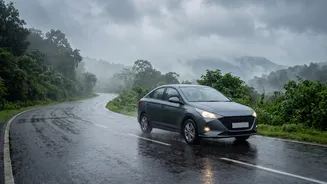
When you're caught in a downpour, adjust your driving style immediately. The most important rule is to slow down. Wet roads significantly increase your braking distance and the risk of skidding. Reduce your speed and maintain a much larger gap between your vehicle and the one in front. Avoid using cruise control, as you need to be in full control to react to changing conditions. Drive with your low-beam headlights on to improve your visibility to others. If you feel the car starting to hydroplane, do not panic or slam on the brakes. Instead, gently ease your foot off the accelerator and keep the steering wheel straight until you feel the tyres regain traction with the road.
What to Do on a Flooded Road
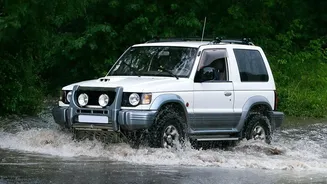
Encountering a waterlogged street is a common monsoon hazard. The cardinal rule is: turn around, don't drown. It's impossible to judge the depth of the water or know if there are hidden dangers like open manholes or washed-out sections of road underneath. Driving through even a few inches of flowing water can cause you to lose control of your vehicle. If you absolutely must proceed through a shallow, waterlogged patch, do so slowly and steadily without stopping or accelerating suddenly. If your car stalls in water, do not attempt to restart the engine, as this can cause severe and expensive damage. If the water level begins to rise, abandon the vehicle and move to higher ground immediately. Your safety is far more important than the car.