



Understanding the 'Smog Throat'
That raw, scratchy feeling is your body’s direct response to the irritants that make up smog. This toxic mix often includes fine particulate matter (PM2.5 and PM10), nitrogen oxides, sulfur dioxide, and ground-level ozone. When you inhale these pollutants,
they can settle on the sensitive lining of your throat, known as the mucosa. This triggers an inflammatory response from your immune system, leading to the redness, swelling, dryness, and pain we identify as a sore throat. Gases like sulfur dioxide can even dissolve in the moisture of your throat to form irritating acids. This direct irritation, combined with the dehydration of the throat’s lining, creates the perfect storm for discomfort and coughing.
Immediate Relief with Soothing Gargles and Teas
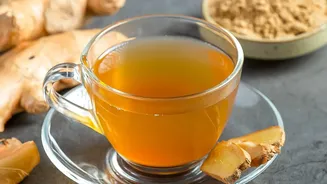
One of the most effective first lines of defense is a simple saltwater gargle. Dissolving half a teaspoon of salt in a glass of warm water and gargling can help reduce swelling and clear irritants from the throat lining. For those who prefer a comforting drink, warm teas are invaluable. Honey, known for its natural antibacterial and anti-inflammatory properties, can be added to warm water or tea to coat and soothe the throat. Ginger tea is another excellent choice, as ginger is celebrated for its ability to reduce inflammation and pain. Other beneficial herbal options include teas made with tulsi, mulethi (licorice root), and cinnamon, all of which have properties that help calm throat inflammation and fight the effects of pollutants.
The Power of Hydration and Steam
Keeping your throat moist is crucial when battling pollution-related irritation. Drinking plenty of fluids—at least six to eight glasses a day—helps keep the mucous membranes hydrated and allows your body to flush out toxins more effectively. Warm liquids like herbal teas and clear broths are particularly soothing. Beyond drinking fluids, steam inhalation can provide immediate relief. Leaning over a bowl of hot water with a towel over your head helps moisturize dry airways and loosen mucus. For an enhanced effect, you can add a few drops of eucalyptus oil, which has decongestant properties. Using a humidifier in your home, especially at night, can also add much-needed moisture to the air, preventing your throat from drying out while you sleep.
Turn Your Home into a Clean Air Haven
While you can't control the air outside, you can take significant steps to improve it indoors. The first rule during smog season is to keep windows and doors closed, especially on days with high pollution levels. Using an air purifier with a HEPA (High-Efficiency Particulate Air) filter can be highly effective at capturing the tiny PM2.5 particles that are most harmful. It's also wise to avoid activities that kick up dust, such as vacuuming without a HEPA filter. Furthermore, limiting the use of incense and ensuring proper ventilation with an exhaust fan when cooking can prevent indoor air quality from worsening.
Foods to Favour and Avoid
Your diet can also play a role in managing a sore throat. Opt for soft, easy-to-swallow foods like soups, porridge, and yogurt to avoid further irritation. Focus on incorporating foods rich in antioxidants and vitamins, which can help boost your immune system. This includes brightly coloured fruits and vegetables like berries, oranges, spinach, and carrots. On the other hand, it's best to avoid foods that can aggravate your throat. Spicy and acidic foods, for instance, can worsen the burning sensation, while very crunchy or rough foods can be painful to swallow.
When to Consult a Doctor
While home remedies are effective for mild irritation, it is important to recognise when professional medical advice is needed. You should consult a doctor if your sore throat persists for more than a week or worsens despite home care. Other red flags include developing a fever, having difficulty breathing or swallowing, wheezing, or noticing white patches on your tonsils. These symptoms could indicate a more serious bacterial infection or a significant respiratory issue that requires medical treatment.