



Embrace Quality Over Quantity
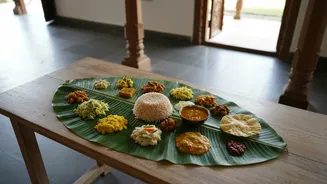
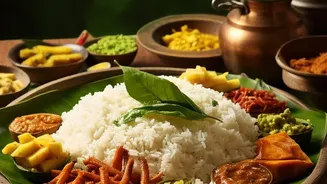
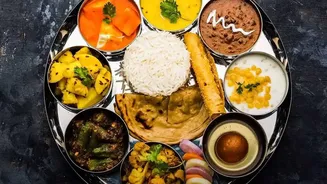
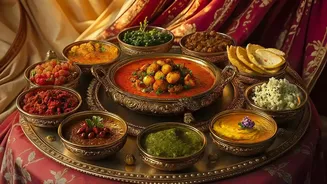
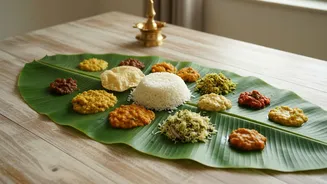
A traditional Sadhya can feature over 26 dishes, a daunting task for a home cook. Instead of aiming to make everything, focus on a core menu of essentials. A balanced feast can be created with steamed matta rice, parippu curry, sambar, avial, a thoran,
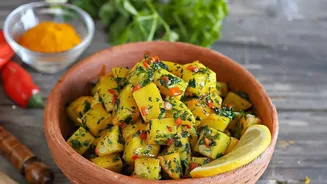
a pachadi, puli inji, a pickle, and a payasam. This approach preserves the spirit of the Sadhya without overwhelming your kitchen or your fridge. Choosing a smaller, curated menu allows you to focus on making each dish perfectly, resulting in a more enjoyable and less stressful cooking experience. Remember, the goal is a joyful celebration, not a test of endurance.
Plan Your Portions Wisely
The key to reducing leftovers is smart portion control from the start. For a family of four, making large batches of every single curry is unnecessary. A good rule of thumb is to make smaller portions of the side dishes, as guests will only take a spoonful of each. Limit rice to about 100-150 grams per person initially; you can always cook more if needed. For dishes like sambar and avial, which many people enjoy, plan for slightly larger quantities. For accompaniments like pickles and inji puli, a small amount goes a long way. This mindful calculation at the planning stage is the most effective way to prevent excess food.
A Smart Prep-Ahead Schedule
Efficient preparation is your best friend when tackling a Sadhya. Many elements can be prepared a day or two in advance. Pickles and puli inji, for instance, can be made ahead as their flavours often improve over time. Chopping most vegetables for dishes like avial and thoran can be done the day before and stored in airtight containers in the refrigerator. You can also grate coconut and keep it ready. Some cooks even prepare dry dishes like thoran or certain payasam bases in advance. By spreading out the workload, you not only reduce festival-day stress but also get a clearer sense of your quantities, preventing last-minute overcompensation.
The Art of Repurposing Leftovers
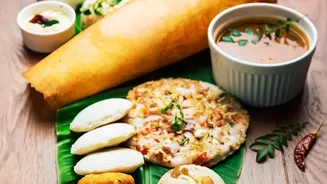
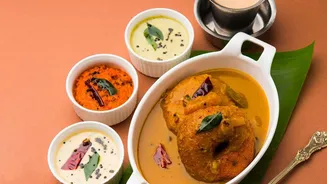
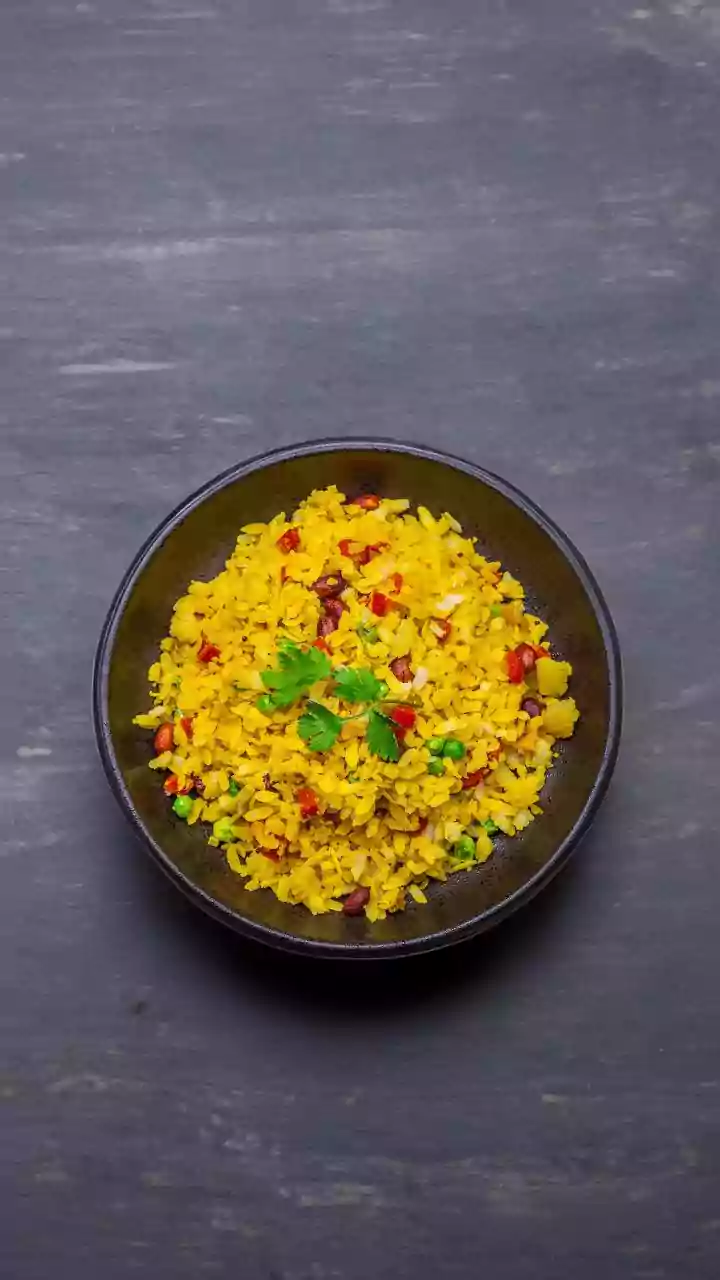
Even with the best planning, some leftovers are inevitable. The key is to see them not as a burden but as an opportunity for delicious new meals. Leftover sambar and avial are fantastic side dishes for chapatis or dosas the next day. A mix of leftover vegetable stir-fries (thoran) can be combined with rice to make a quick and flavourful fried rice. Leftover pachadi can be enjoyed with plain rice and rasam. However, be mindful of dishes with a short shelf life. Anything made with a large amount of fresh coconut milk, like olan, should ideally be finished the same day. Payasams should also be consumed quickly. Storing items correctly—pickles in glass jars, dry items in airtight containers—is crucial for extending their life.
Serve Thoughtfully, Store Correctly
The way you serve can also influence waste. Traditionally, the Sadhya is served on a banana leaf with specific spots for each item. This encourages serving small portions of each dish initially. Encourage guests to take only what they need, assuring them there is more if they wish for seconds. This prevents half-eaten food from being discarded. When the feast is over, store leftovers promptly. Most curries like sambar and avial will keep for a day or two in the fridge. It's often best to let them cool to room temperature before refrigerating. Avoid reheating dishes multiple times; instead, take out only the portion you intend to eat and heat that.