







The Kokum Renaissance
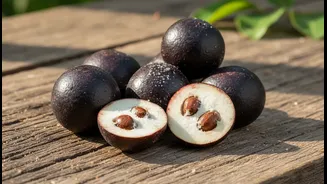
For generations, kokum (Garcinia indica) has been a staple in coastal Indian cuisines, especially in Maharashtra, Goa, and Karnataka, prized as a souring agent and the star of the cooling sol kadhi. But recently, chefs and bartenders across India are
rediscovering this indigenous ingredient, moving it beyond its traditional confines. They are now using its unique fruity acidity in everything from ramen broths and ceviche to gin cocktails and chocolate bonbons. This trend reflects a larger movement in Indian food celebrating local, regional ingredients and showcasing their versatility to a new generation of diners.
A Powerhouse of Benefits
Kokum's growing popularity isn't just about flavour; it's also packed with health-promoting properties. It is rich in antioxidants, particularly garcinol, which helps fight inflammation and cellular damage. Traditionally, it has been revered as a digestive aid, known to soothe acidity, reduce bloating, and improve gut health. The key compound, hydroxycitric acid (HCA), is linked to several benefits, including appetite suppression and supporting weight management by potentially inhibiting fat production. Furthermore, its anti-inflammatory properties may contribute to better heart health by helping manage cholesterol levels.
Potential Risks and Moderation
While generally safe for most people, kokum isn't without its potential downsides, especially when consumed in excess. Overconsumption can lead to stomach upset or diarrhoea in some individuals. The fruit is also known to have mild blood pressure and blood sugar-lowering properties. This means people with diabetes or low blood pressure, and those on medication for these conditions, should consume it with caution and monitor their levels closely. As a general guideline, pregnant or breastfeeding women should consult a doctor before incorporating it regularly into their diet.
Your Takeaway: Kokum in the Kitchen
Bringing kokum into your own cooking is simple. Dried kokum, the most commonly available form, can be found in most Indian grocery stores. For a traditional touch, add a few whole, rinsed pieces to lentil dals or fish curries as a souring agent, much like you would use tamarind. To make a refreshing kokum sharbat, simply soak the dried fruit in water, mash it to release its essence, strain, and sweeten with jaggery or sugar. You can also make sol kadhi, a classic beverage of coconut milk, kokum juice, and spices like ginger and green chilli. Don't be afraid to experiment; its tangy flavour works well in salad dressings and marinades, too.