





An Unseen Invasion of Pests
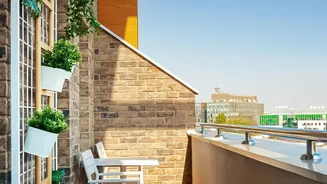
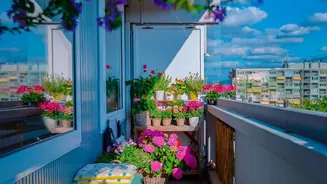
One of the most significant reasons to be mindful of plant placement is the risk of pests. Balconies and open windows in close proximity create a perfect bridge for insects like aphids, mealybugs, and spider mites to travel from your plants to your neighbour's.
These pests can spread easily through direct contact or even be carried by the wind, turning your green thumb into a headache for the people next door. Before moving a plant, inspect it thoroughly for any signs of infestation, such as sticky residue, fine webbing, or tiny moving dots under the leaves. If you spot anything suspicious, it's best to treat the plant and isolate it away from any potential pathways to your neighbour's home until the issue is resolved.
Water Runoff and Property Damage
When you water your plants, especially on a balcony, where does the excess water go? Water runoff is a common source of friction between neighbours. If a pot drains directly onto a shared wall or drips down onto a lower balcony, it can stain surfaces, damage furniture, or create a slipping hazard. Over time, constant dampness can lead to mould and structural issues. To prevent this, always use deep saucers under your pots to catch excess water. For larger collections, consider grouping plants in a waterproof tray or using self-watering containers. Taking a moment to see where water flows from your chosen spot can prevent costly damage and maintain good relations.
Blocking Light, Air, and Views
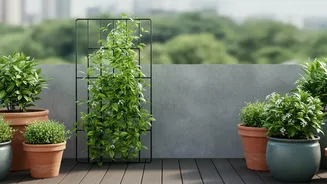
Your beautiful, sprawling bougainvillea might be your pride and joy, but if it blocks your neighbour's only source of natural light or obstructs their view, it can quickly become a point of contention. While there's generally no legal right to a view, blocking light and air can be considered a private nuisance in some cases. Tall plants or dense hedges placed directly in front of a neighbour's window or main balcony space can make their home feel dark and cramped. It's a simple act of courtesy to consider the impact your plant's size and future growth will have on those living around you. A quick glance from your neighbour's perspective can help you choose a location that works for everyone.
The Mess of Falling Debris
Plants are living things, and that means they shed. Falling leaves, flowers, and twigs can accumulate on a neighbour's balcony, clog their drainage, or simply create a mess they have to clean up. While a few leaves are to be expected, a constant shower of debris from a poorly placed plant can become a significant annoyance. When choosing a spot, especially for large flowering trees or plants known for shedding, consider the direction of the wind and where the debris is likely to land. Regular pruning and tidying can help manage this, but thoughtful initial placement is the most effective solution to keep the peace.
A Simple Conversation Goes a Long Way
Ultimately, most issues can be avoided with open communication. If you're planning to place a large plant near a shared boundary, a quick, friendly chat with your neighbour can make all the difference. You can address their potential concerns and show that you're being considerate. They might not have any objections, or they might point out an issue you hadn't considered, like a spot where water tends to pool or where pests have been a problem before. This simple act builds goodwill and turns a potential source of conflict into an opportunity for positive neighbourly interaction. Most people appreciate being asked and are more likely to be understanding if minor issues arise later on.