





The Paradise of Crystal-Clear Rivers
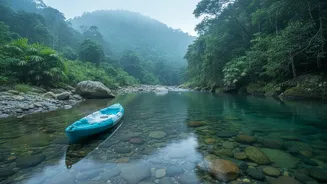
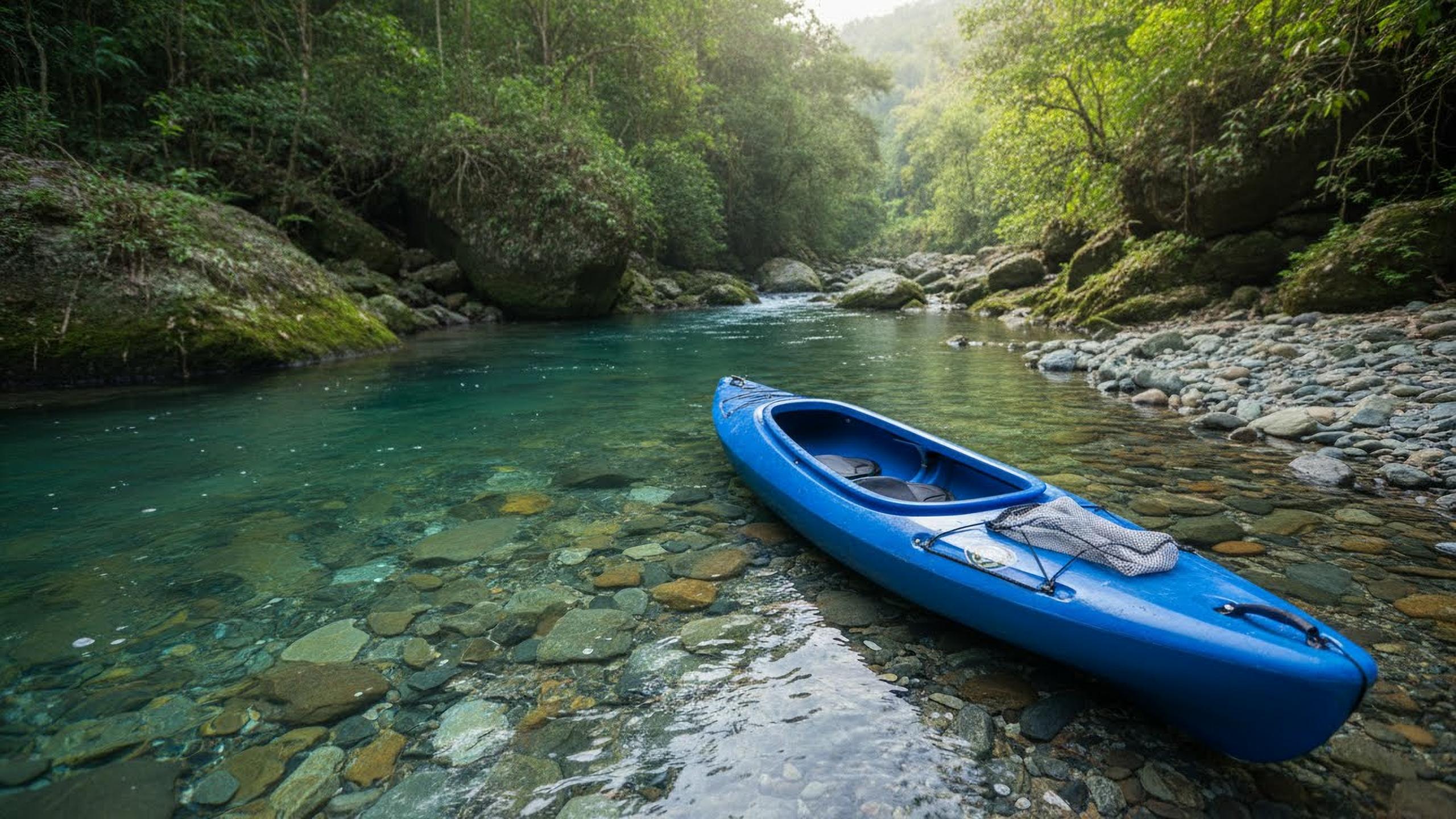
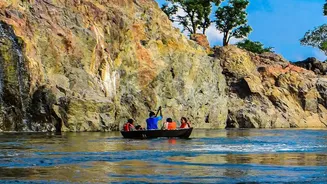
Meghalaya, the 'Abode of Clouds', is famous for landscapes that seem plucked from a dream. At the heart of this allure are its rivers, especially the Umngot in villages like Dawki and Shnongpdeng. Its water is so transparent that on calm days, the riverbed
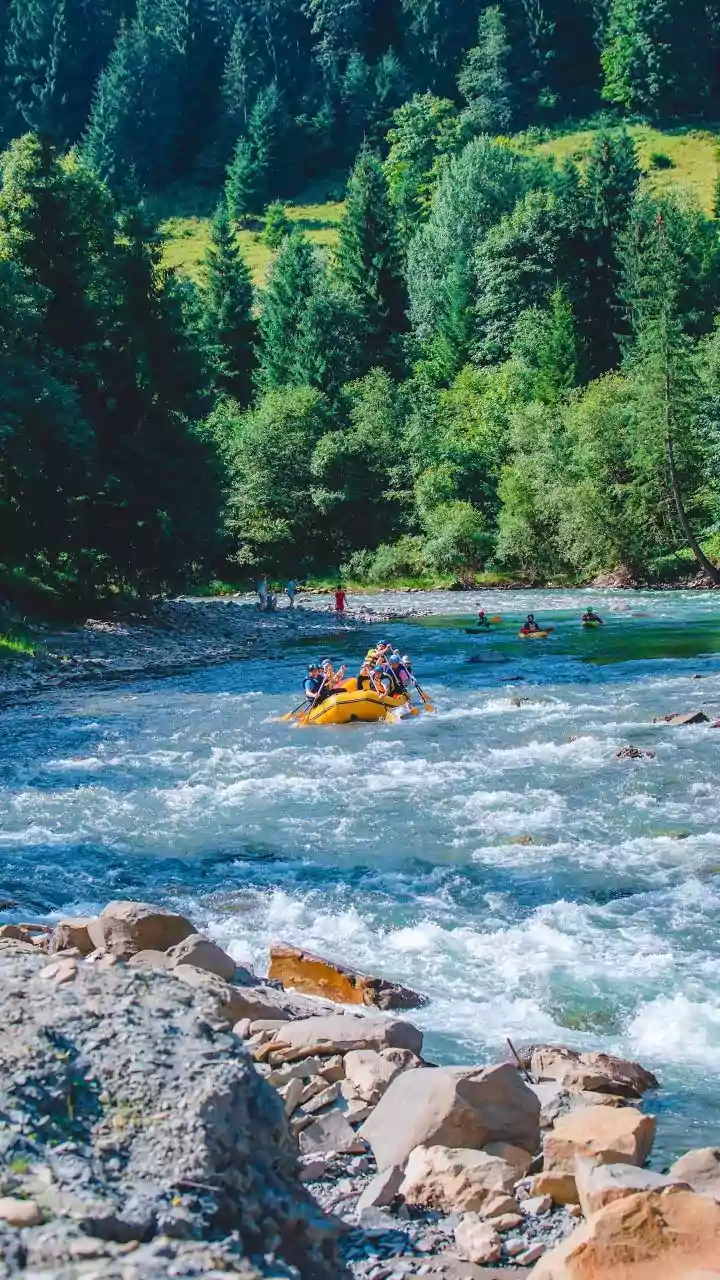
is clearly visible from the surface, creating the magical illusion of boats suspended in the air. This breathtaking beauty has, unsurprisingly, turned the region into a bucket-list destination for travellers from across India and the world. Kayaking, boating, and camping along the riverbanks have become popular activities, offering an escape into a seemingly untouched natural paradise and forming the backbone of the local tourism economy.
The Unwanted Wake of Tourism
But with popularity comes a price. The very thing that draws visitors—the pristine environment—is under threat from the side effects of tourism. An increase in footfall has led to a predictable rise in plastic pollution. Discarded water bottles, food wrappers, and other single-use plastics are finding their way into these immaculate waters, threatening the delicate ecosystem and the very beauty that sustains the local communities. This is a familiar story in many beautiful destinations, where the line between appreciating nature and damaging it becomes dangerously thin. The challenge is not to stop tourism, but to transform it into a force for good.
Guardians of the Waterways
This is where the local guides of Meghalaya are rewriting the script. These guides, many of whom belong to the local Khasi and Jaintia communities, are more than just service providers. They are the ancestral custodians of these lands and rivers. For them, protecting the environment isn't a new-age trend; it's an inherited responsibility and a matter of survival. Their livelihood is directly tied to the health of the river. Realising that they are the first and most important line of defence, many have taken it upon themselves to integrate conservation directly into their business model, moving from being passive observers to active protectors of their natural heritage.
Kayaking with a Conscience
The solution they have pioneered is both simple and brilliant: combining guided kayaking tours with voluntary clean-up drives. It is often described as a form of 'plogging' on water. When tourists sign up for a kayaking adventure, they are not only given a paddle and a life jacket but also a mesh bag. As they navigate the stunning river, guided by local experts, they are encouraged to pick up any floating litter they encounter. The activity is voluntary, yet most tourists are enthusiastic participants, eager to contribute. The guides lead by example, often collecting the most trash themselves. It’s a hands-on, engaging way to turn a leisure activity into a meaningful act of environmental stewardship.
An Impact Beyond the Riverbed
The impact of this initiative extends far beyond the collected bags of rubbish. Firstly, it keeps the rivers visibly clean, preserving the primary tourist attraction and ensuring the long-term sustainability of their livelihoods. Secondly, it serves as a powerful form of experiential education for tourists. Visitors leave not only with beautiful photos but also with a heightened awareness of their environmental footprint. This grassroots movement also reinforces the community-led tourism model that Meghalaya is increasingly known for, where local people have agency and benefit directly from tourism. Initiatives led by community cooperatives and local tour operators ensure that the economic benefits stay local while fostering a collective sense of pride and responsibility.