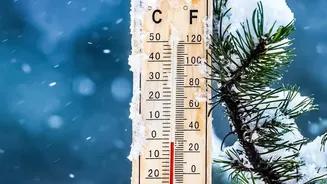









As winter arrives, so does the season of coughs and colds. Many of us grew up believing the cold weather itself makes us sick. While it feels true, the science is a bit more complex. It's not just the dropping mercury, but a mix of factors.
Dry Air Is the Perfect Carrier
The single
biggest culprit behind winter sickness is not the cold, but the lack of humidity. Cold air holds less moisture, and indoor heating systems make it even drier. This dry environment is a paradise for respiratory viruses like influenza. When someone coughs or sneezes, the virus-laden droplets they expel are smaller and lighter in dry air, allowing them to hang in the air for longer and travel farther. At the same time, dry air desiccates the protective mucus lining in our nose and airways. This lining is our body's first line of defence, meant to trap germs. When it dries out, it can become less effective, making it easier for viruses to invade.
A Chilly Nose Means Weaker Defences
While cold weather itself doesn't create viruses, it can directly weaken our immune response at the point of entry: the nose. Research has found that even a slight drop in the temperature inside your nasal passages can significantly hamper the nose's ability to fight off respiratory viruses. One study showed that a decrease of just 5°C in the nose reduced its frontline immune response by more than 40%. The cold air constricts blood vessels in the nose, reducing the circulation of infection-fighting white blood cells to the area. This gives invading pathogens a crucial head start to replicate before our body can mount a full defence.
We Spend More Time Indoors
It’s a simple matter of proximity. When it's cold outside, people naturally gather indoors in homes, offices, and public spaces. These enclosed environments, often with poor ventilation, become hotspots for transmission. If one person is sick, the chances of them passing the virus to others through airborne droplets are much higher when everyone is sharing the same air for extended periods. This is especially true for contagious illnesses like the common cold and flu.
The Sunshine Vitamin Takes a Dip
Winter means shorter days and less time spent outdoors, leading to reduced exposure to sunlight. This directly impacts our body's production of Vitamin D, often called the 'sunshine vitamin'. Vitamin D plays a crucial role in regulating and supporting our immune system. When levels are low, our body may be less equipped to fight off common infections, making us more susceptible to catching colds and flu. This deficiency can also lead to symptoms like fatigue and muscle aches, which are often mistaken for general winter sluggishness.
Viruses Have Their Own Seasons
Finally, some viruses simply thrive in winter conditions. Rhinoviruses, the primary cause of the common cold, replicate more effectively at the cooler temperatures found inside the human nose compared to our core body temperature. Other viruses, like influenza, have a protective outer layer that becomes more stable and resilient in colder, drier air. This enhanced stability makes them more robust and better able to infect cells. So, while we are feeling the effects of winter, these viruses are often in their ideal environment to spread.