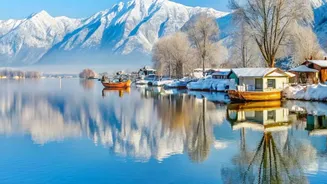


Winter transforms the world into a quiet, glittering wonderland, and nowhere is this magic more apparent than on the surface of a frozen lake. For travellers who embrace the cold, these natural spectacles offer unforgettable landscapes.
Lake Baikal, Russia
The world's oldest
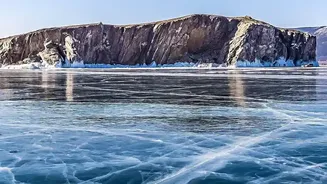
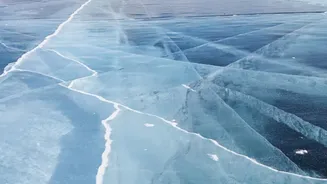
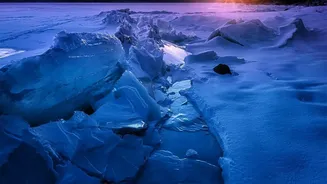
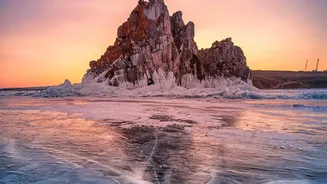
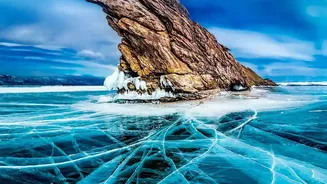
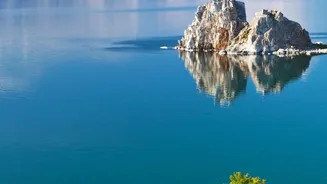
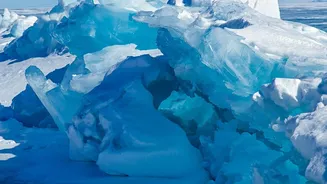
and deepest lake, Siberia's Lake Baikal, becomes an alien landscape in winter. From January to May, it's covered in ice so thick and pure that it appears transparent. Walking on its surface feels like hovering over a dark abyss, with visibility extending up to 40 meters into the water below. The main attraction is the 'hummocks'—jagged shards of turquoise ice that jut out from the surface, created when wind and pressure cause the ice sheets to break and refreeze. Some visitors also seek out the eerie columns of trapped methane bubbles frozen in place.
Abraham Lake, Canada
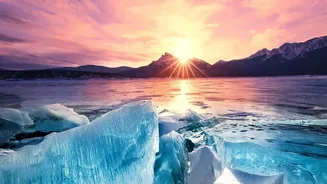
Located in Alberta's Rocky Mountains, Abraham Lake is a man-made wonder famous for a unique natural phenomenon: frozen bubbles. Bacteria on the lakebed release methane gas from decomposing organic matter, and as these bubbles rise, they get trapped in layers of ice. The result is stacks of milky-white orbs suspended in crystal-clear ice. Strong winds in the valley often sweep the snow off the lake's surface, making it one of the best places in the world to view this spectacle. The prime viewing season is typically from mid-January to early February.
Jökulsárlón, Iceland
Jökulsárlón is not a typical frozen lake but a glacial lagoon at the foot of the enormous Vatnajökull glacier. Throughout winter, massive icebergs calve from the glacier and float across the lagoon, creating a constantly shifting landscape of blue, white, and black ice—the latter coloured by volcanic ash. While the lagoon rarely freezes solid due to its tidal connection to the ocean, the real magic happens at the adjacent 'Diamond Beach'. Here, icebergs wash ashore onto black volcanic sand, glittering like jewels. Winter visits, from October to March, also offer the chance to explore natural ice caves.
Lake Superior, USA/Canada
The largest of the Great Lakes becomes a destination for ice cave hunters in the winter. Along the Apostle Islands National Lakeshore in Wisconsin, waves and seeping water freeze into magnificent formations along sandstone cliffs. When conditions are safe, visitors can hike across the frozen lake to explore these otherworldly ice caves, which feature frozen waterfalls and countless icicles. However, access is rare and depends entirely on the stability of the ice, which can change in a matter of hours due to wind and waves.
Lake Akan, Japan
On the northern island of Hokkaido, Lake Akan hosts a delicate and ephemeral winter phenomenon known as 'frost flowers'. In very specific conditions—typically on calm, clear mornings with temperatures below -15°C—ice crystals form on the frozen lake surface, growing into beautiful, flower-like shapes. These fragile blooms can cover the lake in a shimmering white field but will melt or shatter with the slightest breeze or the warmth of the rising sun. Due to the delicate conditions required, seeing them is a rare treat, best experienced on a guided tour for safety.
Pangong Tso, India
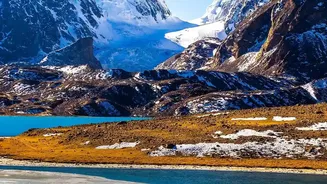
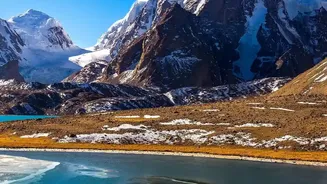
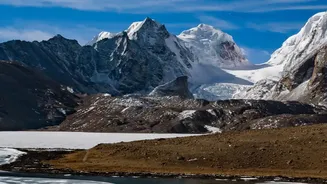
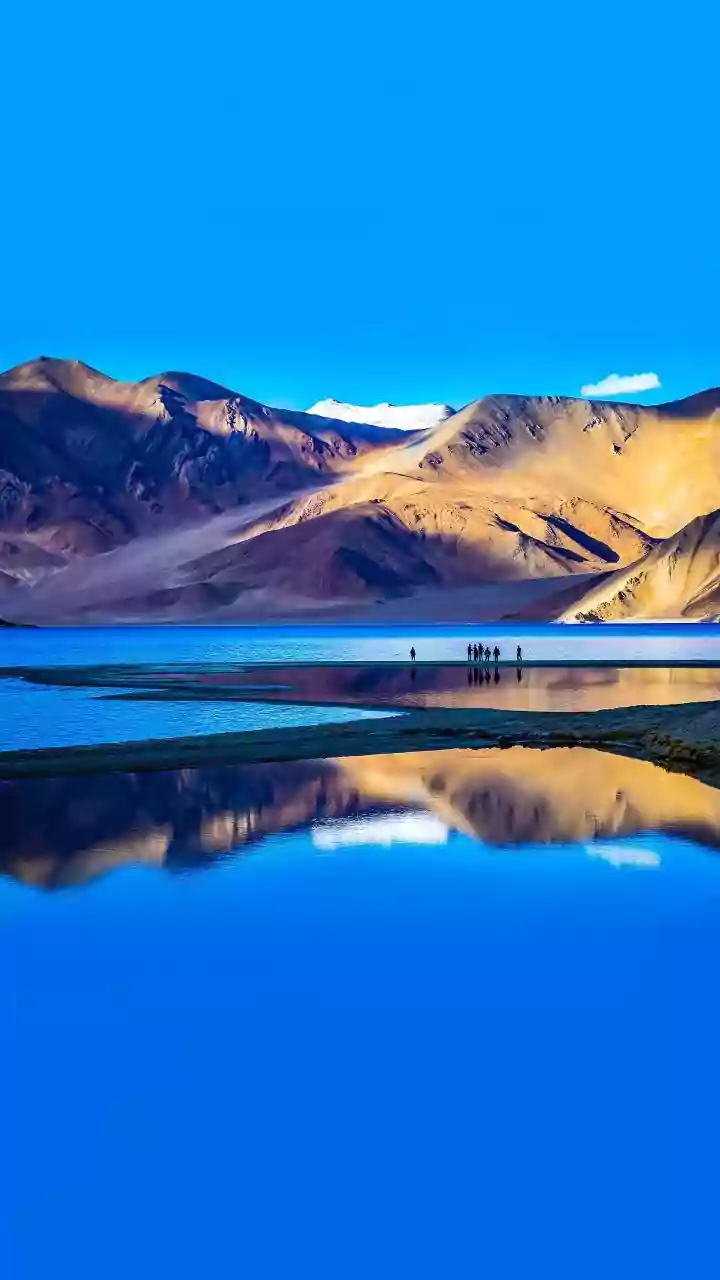
Stretching across the India-Tibet border at an altitude of over 14,000 feet, Pangong Tso is one of the world's highest saltwater lakes. Despite its salinity, the lake freezes solid during the harsh Himalayan winter, typically from January to February. The frozen surface creates a starkly beautiful, high-altitude desert landscape, reflecting the snow-dusted mountains that surround it. The extreme cold, which can drop to -25°C, transforms this popular summer destination into a serene and silent expanse of ice.
Lake Michigan, USA
While it doesn't freeze over entirely, the shores of Lake Michigan produce a fascinating feature known as 'ice volcanoes'. These conical mounds form when strong waves create pressure under an ice shelf, forcing water to erupt through a crack. The spewing water and slush freeze in layers, building up a cone that can be several feet high. These formations are a 'Goldilocks' phenomenon, requiring a specific combination of cold temperatures, wind, and wave action to occur.
Lake Louise, Canada
Famed for its Gatorade-blue waters in summer, Lake Louise in Banff National Park offers a different kind of charm in winter. The lake freezes solid, turning into one of the world's most scenic ice-skating rinks, with the Victoria Glacier and snow-covered peaks as a backdrop. The area around the lake becomes a winter hub, offering sleigh rides and cross-country ski trails, making it an accessible and family-friendly frozen lake experience.
Lake Bled, Slovenia
With its iconic island church and clifftop castle, Lake Bled is picturesque in any season. In winter, a blanket of snow transforms it into a fairy-tale scene. The lake rarely freezes completely enough for skating, an event that only happens during exceptionally cold winters. However, visitors can still enjoy the serene, frosty landscape on a 6km walk around the perimeter or take a traditional 'pletna' boat to the island, where the 99-step stone staircase leads up to the church.
Grüner See, Austria
Grüner See, or 'Green Lake', is famous for being an underwater park in spring, but its winter phase is just as magical. During the colder months, the lake recedes to a small, shallow pond, and the surrounding area is a park with hiking trails and benches. It offers a tranquil, snow-covered landscape where visitors can walk along the dry paths, enjoying the crisp mountain air and the crystal-clear water that remains, all set against the dramatic backdrop of the Hochschwab mountains.