






The Appeal of 'Gharelu Nuskhe'
In a world of complex chemical formulas, the return to simple, kitchen-based remedies, or 'gharelu nuskhe', is tempting. Using fruit peels, particularly from oranges, lemons, and bananas, feels like a clever hack. It's affordable, reduces waste, and taps
into the idea that 'natural' is always better. The peels are believed to be rich in vitamins, antioxidants, and enzymes that can brighten skin, gently exfoliate, and fight acne. For instance, orange peels are lauded for their vitamin C and antioxidant content, which are thought to help with anti-ageing and managing oily skin. Banana peels are promoted as a way to soothe irritation and fade marks. This approach promises the benefits of fruit extracts without the price tag of commercial products, making it a popular choice for those seeking a budget-friendly and seemingly wholesome skincare solution.
The Hidden Risk: When Natural Turns Nasty
The main danger of applying raw fruit peels directly to your skin, especially citrus peels, is a condition called phytophotodermatitis. This is a painful skin reaction that occurs when chemicals found in certain plants, called psoralens or furocoumarins, get on the skin and are then exposed to sunlight (UVA rays). This isn't an allergic reaction but a toxic chemical one that can cause severe redness, blistering, swelling, and burning, sometimes referred to as a 'margarita burn'. The reaction may not appear for 24 to 48 hours, peaking a few days later. Worse, it can leave behind long-lasting dark patches, a condition known as post-inflammatory hyperpigmentation. Beyond this specific reaction, the high acidity of fruits like lemons can disrupt your skin's natural pH balance, leading to dryness, itchiness, and irritation.
An Unseen Danger: Pesticides
Another significant concern is the presence of pesticides. While many assume washing fruit is enough, some pesticides are systemic, meaning they are absorbed into the plant and can be present in the peel and even the flesh. Other pesticides cling to the waxy surface and are difficult to remove completely with just water. When you rub a fruit peel on your face, you could be applying a concentrated dose of these chemicals directly onto your skin. Research shows that while washing helps, peeling is the most effective way to remove pesticide residues. However, when the peel itself is the treatment, you are exposing your skin to whatever it was treated with. This can lead to contact dermatitis, allergic reactions, or other unknown long-term effects, making it a risky practice, especially if the fruit is not certified organic.
Why Winter Makes It Worse
Winter skin is already vulnerable. The combination of cold, windy air outside and dry indoor heating strips the skin of its natural moisture, compromising its protective barrier. A weakened barrier makes your skin more susceptible to irritation and sensitivity. Applying potentially harsh, acidic, or irritating substances like raw fruit peels can further damage this fragile barrier. While you might think you're safe from the sun in winter, UVA rays—the ones that trigger phytophotodermatitis—can penetrate clouds and windows. So even a brief moment of sun exposure after a DIY citrus treatment can be enough to cause a reaction. A better winter strategy involves using gentle, hydrating cleansers and rich moisturisers with ingredients like ceramides and hyaluronic acid to support, not strip, your skin barrier.
Safer Alternatives and Expert Advice
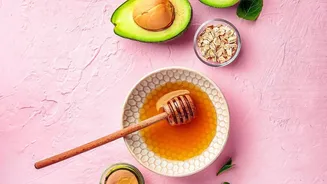
Dermatologists generally advise caution with DIY skincare, especially using raw ingredients from your kitchen. While many skincare ingredients like glycolic and salicylic acid are derived from natural sources like sugarcane and willow bark, the products you buy in a store are formulated at specific, safe concentrations. The amount of active compounds in a fruit peel is unknown and inconsistent. If you want the benefits of fruit, it's safer to use professionally formulated skincare products. These products use purified fruit extracts in stable, pH-balanced formulas that deliver benefits without the risk of burns or irritation. If you are set on trying a DIY remedy, always perform a patch test on a small, inconspicuous area of skin first to check for any reaction. For gentle, natural care, ingredients like honey, yoghurt, and oatmeal are generally considered safer for soothing and hydrating masks.