



From a Museum for Guests to a Hub for Life
For decades, the Indian 'drawing room' was designed to impress, not to be lived in. It was a pristine, formal chamber with immaculate sofas and a sense of untouchable order, meant for receiving visitors and showcasing a family's status. But a quiet revolution
has taken place. Driven by smaller urban apartments, the rise of remote work, and a cultural shift towards comfort over formality, this room is no longer a static display. It has transformed into the 'living' room in the truest sense: a dynamic, adaptable space where everything from morning chai and office calls to family movie nights and children's homework happens. The focus has moved from performative luxury to personal, practical experience.
The Golden Rule: Multifunctionality is Key
With real estate costs rising and homes becoming more compact, every square foot must count. This has made multifunctional furniture an essential element of modern Indian living rooms. Think beyond a simple sofa set. Today’s smart designs include sofa-beds for overnight guests, coffee tables with lift-tops that become workstations, and ottomans with hidden storage to quickly hide away clutter. Expandable dining tables, nesting stools, and modular shelving units allow the room to adapt to different needs throughout the day, ensuring the space remains elegant and uncluttered while serving multiple purposes. The goal is to embed utility into every piece, making the room work harder without feeling crowded.
Creating Zones Without Building Walls
In an open-plan layout where the living, dining, and even work areas merge, creating distinct functional zones is crucial for a sense of order. You don't need walls to do this. A large rug can instantly anchor a seating area and separate it visually from a dining space. Strategic lighting is another powerful tool; a stylish pendant light can define a dining spot, while focused task lighting can carve out a reading or work nook. Even furniture placement can create invisible boundaries. An open-backed bookshelf can act as a permeable divider, offering storage while separating a workspace from the main lounge area without blocking light.
The New 'Lived-In' Aesthetic
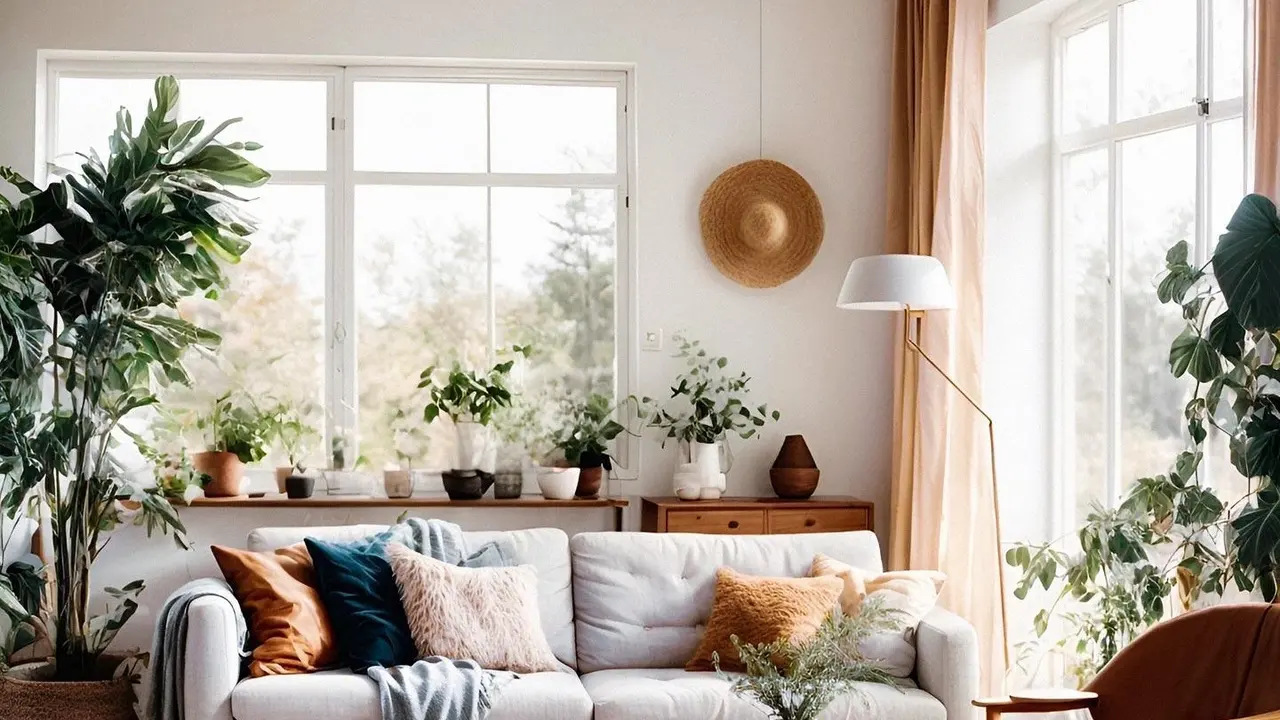
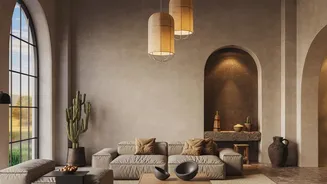
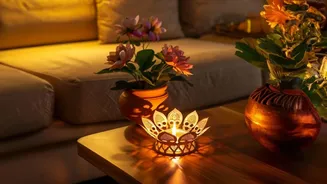
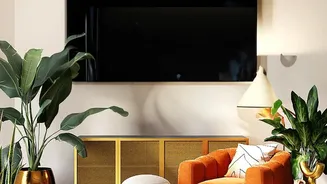
A multifunctional space doesn't have to be sterile or purely utilitarian. The new Indian living room embraces a 'warm minimalism'—a style that is clean and uncluttered but also comfortable and personal. It blends sleek, modern furniture with traditional Indian elements like handcrafted textiles, brass accents, or wooden carvings, creating a space that feels rooted and contemporary at the same time. Natural materials like wood, cane, and linen add texture and warmth. The look is layered and authentic, prioritizing comfortable fabrics, soft lighting, and personal touches that reflect the family's story. It's about designing a room that feels genuinely inhabited and loved, not just arranged.
The Ultimate Lesson: Design for Your Real Life
Perhaps the biggest lesson from this shift is a psychological one. Homeowners are increasingly questioning the need for rooms that perform a rigid social role. The modern living room is designed around an honest answer to the question: what do we actually do in here every day? The focus is on functionality, comfort, and flexibility over outdated ideas of formality. This shift is about creating a home that supports the chaotic, beautiful reality of daily life, not one designed for the occasional guest. It's a move towards authenticity, where the true luxury is a space that is not just beautiful, but beautifully useful.