



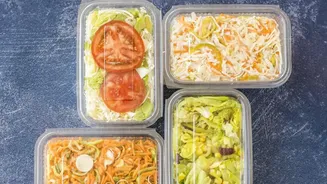
Why Meal Prep Is a Student's Best Friend
For students, meal prepping is more than just a trend; it's a strategy for survival. The primary benefits are saving time and money, two resources that are often in short supply. By dedicating a few hours one day a week, you eliminate the daily question
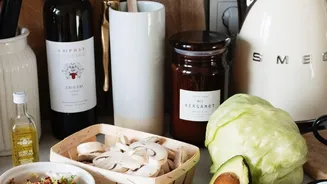
of 'What's for dinner?' and avoid last-minute, expensive takeout orders. This approach ensures you have consistent access to nutritious, homemade food that supports your energy levels and focus for late-night study sessions. Keeping your kitchen stocked with staples like lentils, beans, rice, and oats makes it easy to assemble meals without frequent grocery runs. Furthermore, preparing meals in advance reduces food waste, as you buy only what you need for your weekly plan.
Your Sunday Game Plan: Prep in Four Steps
Mastering meal prep starts with a simple plan. First, choose your recipes for the week. Focus on meals that share common ingredients to simplify your shopping list. Second, create a detailed shopping list based on those recipes. This prevents impulse buys and ensures you get everything you need in one trip. Third, schedule a two-to-three-hour block of time, perhaps on a Sunday afternoon, for your prep session. Fourth, execute your plan by multitasking. While grains like rice or quinoa are cooking, you can chop vegetables or make a sauce. This efficient workflow makes the process much less daunting.
The Budget-Friendly Vegetarian Shopping List
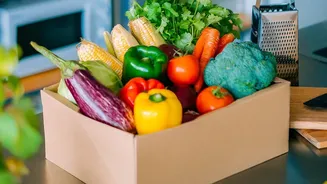
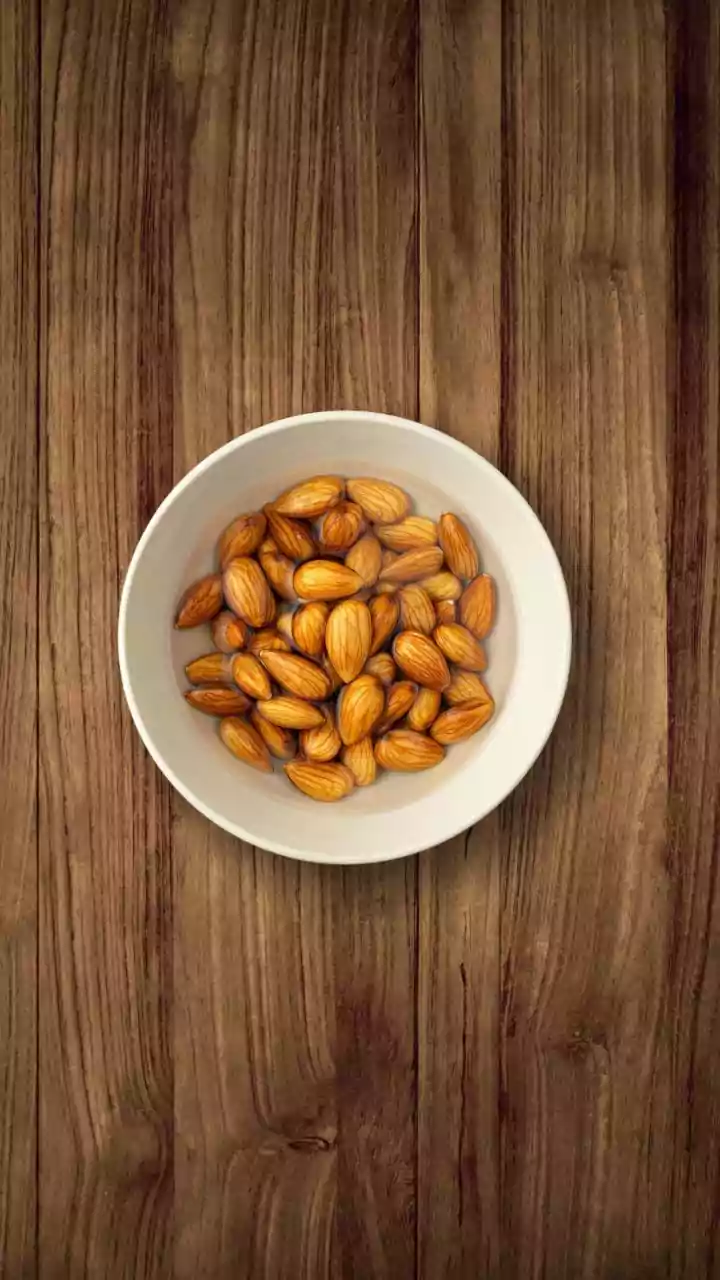
A well-stocked pantry is the foundation of successful student meal prep. Focus on affordable, versatile ingredients that can be used in multiple dishes. Your shopping list should include: Proteins like chickpeas, lentils (dal), kidney beans (rajma), and tofu or paneer; Grains such as rice, oats, and whole wheat flour for rotis or pasta; A variety of seasonal vegetables like onions, tomatoes, potatoes, spinach, carrots, and bell peppers, which are often cheaper; Healthy fats from nuts, seeds, and cooking oils; and flavour boosters like garlic, ginger, spices (cumin, turmeric, coriander), and lemons. Buying staples in bulk and opting for seasonal produce can significantly lower your grocery bills.
Component Cooking: The Building Block Method
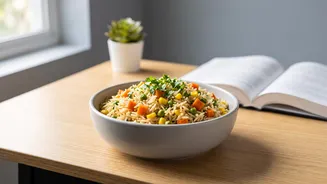
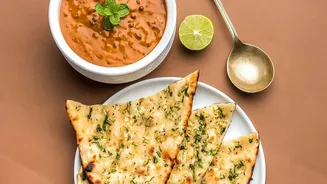
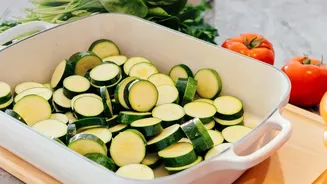
Instead of cooking five completely different meals, try 'component cooking'. This involves preparing batches of individual ingredients that you can mix and match throughout the week. For example, you can cook a large batch of plain rice, prepare a simple dal tadka, roast a tray of mixed vegetables (like cauliflower, carrots, and bell peppers), and boil some chickpeas. With these components ready, you can assemble a variety of meals quickly. One day you might have dal and rice with a side of roasted vegetables. The next, you could mash the chickpeas with spices for a sandwich filling or create a quick chana masala. This method prevents flavour fatigue and offers more flexibility than portioning out identical meals.
Easy Meal Ideas for the Week
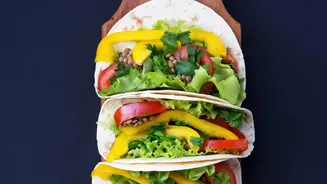
Putting it all together is the fun part. For breakfast, overnight oats or a simple yogurt bowl with fruit are quick and require no morning prep. For lunch, a hearty lentil salad, a hummus and veggie wrap, or leftovers from the previous night's dinner are all portable options perfect for campus life. Dinner can be a comforting bowl of rajma-chawal, a quick paneer stir-fry with your pre-chopped veggies, or a vegetable curry served with rotis. Soups and one-pot meals like khichdi or vegetarian chili are also excellent for batch cooking as their flavours often improve overnight.
Smart Storage for Lasting Freshness
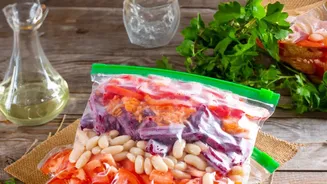
Proper storage is crucial to ensure your food stays fresh and safe to eat all week. Invest in a set of airtight containers to prevent spoilage and keep flavours from mixing in the fridge. Allow cooked food to cool completely before refrigerating to prevent bacterial growth. Harder vegetables like chopped carrots and bell peppers can last for about four days, while washed and dried leafy greens can last even longer if wrapped in a paper towel. For meals you plan to eat later in the week, consider freezing them. Soups, curries, and dals freeze particularly well.