
The End of the Showroom Look
For decades, the perfectly coordinated furniture set was a sign of a well-appointed home. It was easy, safe, and required little thought. But today, homeowners are realising that what looks polished in a store can feel impersonal and monotonous at home. This
shift away from rigid, matching sets reflects a growing desire for homes that tell a personal story. Designers and homeowners alike are moving away from the 'catalogue' look, where every piece is from the same collection, which can quickly date a space. The consensus is clear: a home should feel collected and curated over time, not purchased in a single, uniform shopping trip.
A Canvas for Self-Expression
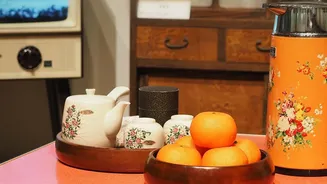
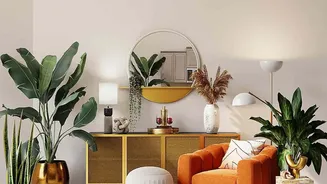
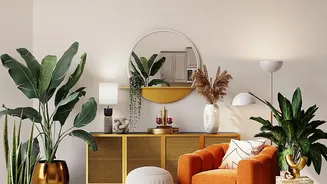
More than just a place to live, the modern Indian apartment has become a canvas for self-expression. The move towards eclectic or mix-and-match decor is driven by a desire to create spaces that are a true reflection of one's personality, tastes, and life experiences. Instead of a home that adheres to one strict theme, people are blending styles, eras, and materials to create a unique narrative. A contemporary sofa can sit comfortably next to a grandparent's antique cabinet, and a sleek metal lamp can share space with a handcrafted wooden stool. This approach allows for a more dynamic and visually interesting environment that feels authentic and deeply personal.
The Practical Side of Personality
Beyond aesthetics, the mix-and-match trend has significant practical benefits. It's often more budget-friendly, as you can build your collection of furniture over time rather than investing in a costly set all at once. This approach also champions sustainability. Giving a new life to a vintage find, an inherited heirloom, or a piece from a local artisan not only adds character but also reduces waste. Many are discovering the joy in finding unique items from travels, local markets, or small businesses that support Indian craftsmanship. These pieces—a hand-painted cabinet, a vintage rug, or a brass artifact—bring stories and memories into the home, something a mass-produced set can never offer.
How to Master the Eclectic Mix
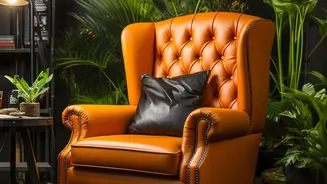
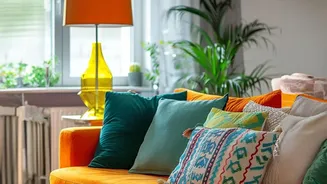
While it may sound like a free-for-all, successful eclectic design isn't about chaos; it's about creating harmony from diversity. A key strategy is to find a common thread to unite different pieces. This could be a consistent colour palette, a repeated texture, or a similar wood tone. For example, a modern chair and a traditional chest can coexist beautifully if they share a similar colour or finish. Another pro tip is to follow a 70/20/10 rule: let one style dominate about 70% of the room (usually the larger items), introduce a second style for 20%, and use the final 10% for a bold, statement piece. Playing with scale and proportion is also crucial to ensure the room feels balanced, not cluttered.
A Global Trend with a Desi Heart
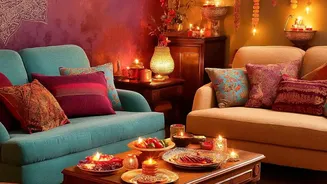
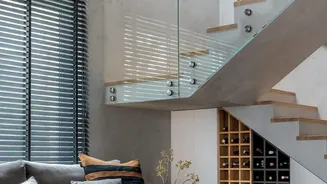
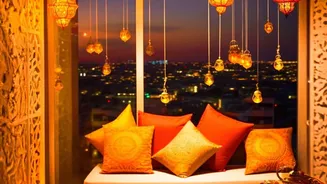
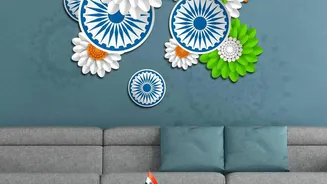
The move toward eclectic interiors is a global phenomenon, but in India, it takes on a unique flavour. Homeowners are blending international design trends like minimalism or industrial chic with distinctly Indian elements. This results in a beautiful fusion: think clean-lined modern furniture paired with handwoven textiles, traditional brass decor, or intricate carvings from local artisans. By incorporating regional crafts and family heirlooms, the trend moves beyond simply mixing styles to creating spaces that are both globally aware and deeply rooted in Indian culture, celebrating heritage in a contemporary context.