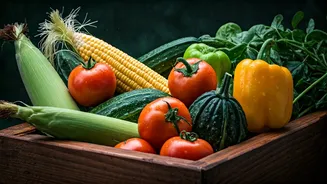





Why Go Seasonal? The Bigger Picture
Before we dive into the stars of the season, it’s worth asking: why is everyone suddenly talking about seasonal eating? The answer is simple. When you eat produce that is naturally in season, you’re getting it at its absolute peak. It’s more flavourful
because it has ripened naturally, more nutritious because it’s fresh and hasn’t spent weeks in cold storage, and more affordable because it’s abundant. Farmers don’t have to use expensive, energy-intensive methods like greenhouses or long-distance shipping to make it available. This also means it has a lower environmental footprint. So, by choosing a seasonal bhindi over an out-of-season broccoli, you’re making a choice that’s better for your taste buds, your health, your wallet, and the planet. It’s a win-win-win-win.
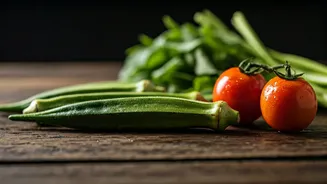
Monsoon Marvel: Bhindi (Okra)
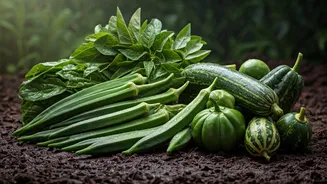
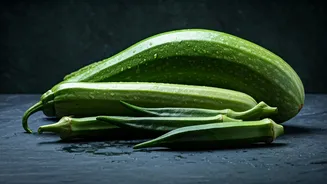
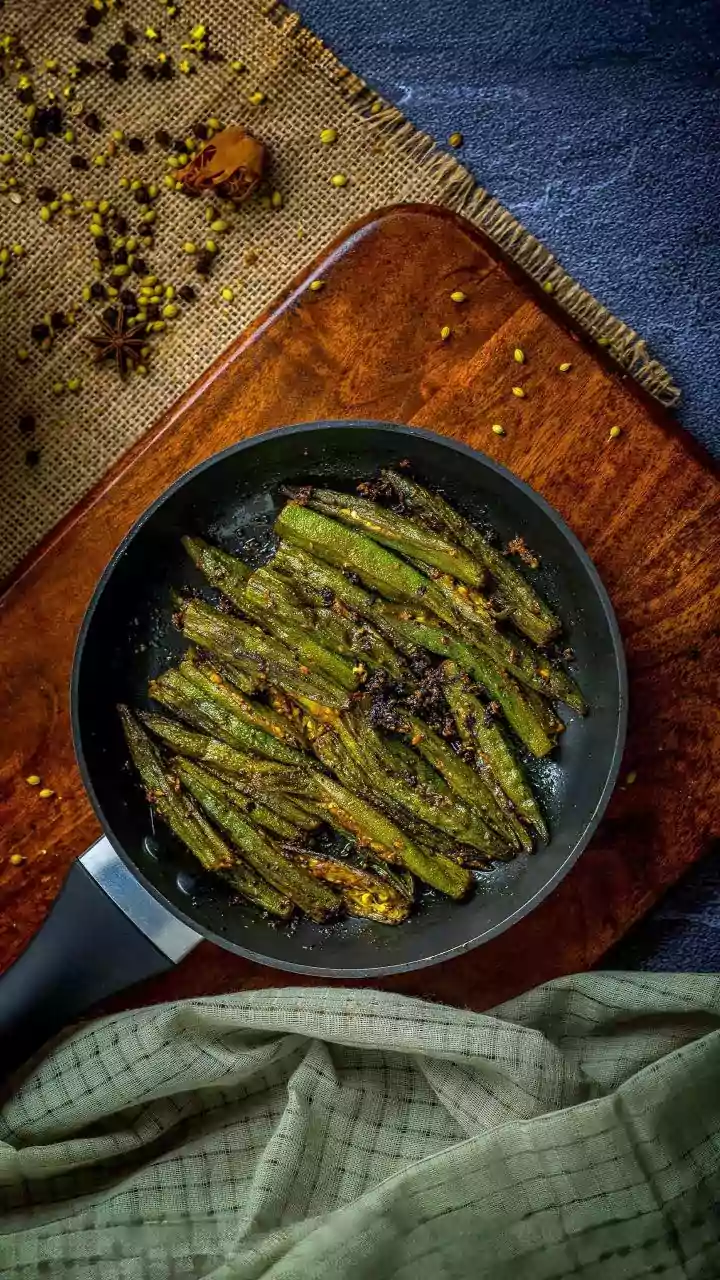
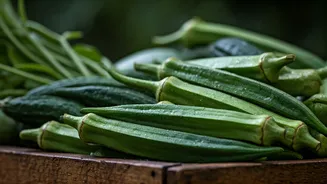
Come monsoon, the humble bhindi, or okra, takes center stage in kitchens across India. This green vegetable thrives in the humid weather, making it incredibly fresh and tender during this time. Bhindi is a fantastic source of dietary fibre, which is excellent for digestion and helps in maintaining stable blood sugar levels. It’s also packed with Vitamin C, an antioxidant that boosts your immune system—something we all need during the season of colds and flu. Forget the slimy texture you might dread; when cooked correctly, it’s delightfully crisp. How to enjoy it: For a quick and delicious meal, try a simple ‘Bhindi Fry’. Chop the okra, ensuring it's completely dry to avoid stickiness. Sauté it on high heat with a pinch of turmeric, chilli powder, and salt until it's crispy. A squeeze of lemon at the end brightens up the flavour perfectly.
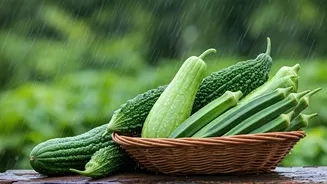
The Bitter Truth: Karela (Bitter Gourd)
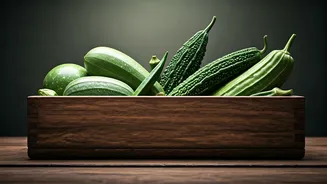
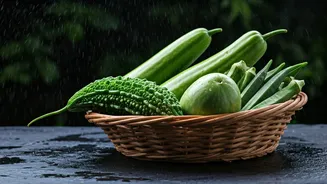
Karela’s reputation precedes it, but this bitter gourd is a powerhouse of health benefits, especially valued during the monsoon. Traditional wisdom holds that bitter foods help purify the blood and improve immunity. Modern science backs this up, noting that karela is loaded with antioxidants and compounds that can help regulate blood sugar, making it particularly beneficial for diabetics. The monsoon harvest yields karela that is less intensely bitter and more flavourful. It is rich in Vitamin C and has antiviral properties, making it an excellent addition to your diet to ward off seasonal infections. How to enjoy it: To reduce the bitterness, scrape the skin, remove the seeds, and salt the pieces for about 30 minutes before rinsing. A classic ‘Bharwa Karela’ (stuffed bitter gourd) with a spicy filling of onions, garlic, and powdered spices turns this vegetable into a culinary delight that even sceptics might enjoy.
Cool and Calm: Lauki (Bottle Gourd)
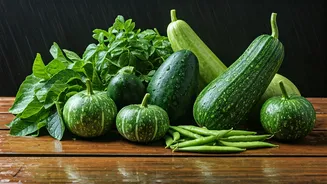
Lauki, or bottle gourd, is the epitome of a cooling, hydrating vegetable, making it perfect for the sticky, humid days of the monsoon. With a water content of over 90%, it’s incredibly light on the stomach and easy to digest. This humble gourd is low in calories but rich in essential minerals like calcium, magnesium, and zinc. It’s also a good source of fibre, which aids in digestion and prevents constipation. In Ayurvedic medicine, lauki is prized for its cooling properties and is often recommended for maintaining a healthy liver. How to enjoy it: Lauki is incredibly versatile. You can make a simple ‘Lauki ki Sabzi’ with tomatoes and spices, or grate it to make delicious ‘Lauki Kofta’. For a modern twist, try blending it into a smoothie with mint and a pinch of black salt for a refreshing and detoxifying drink.
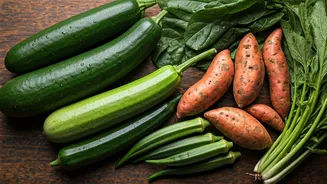
The Versatile Vine: Turai (Ridge Gourd)
Often overlooked, turai, or ridge gourd, is another monsoon staple that deserves a place on your plate. Like lauki, it has a high water content and is low in calories. What makes it special is its impressive nutritional profile, including being a good source of Vitamin A and Vitamin C. Turai is known to be a natural blood purifier and is beneficial for skin health, giving you that healthy glow from within. Its spongy texture absorbs flavours beautifully, making it a fantastic ingredient in a variety of dishes. How to enjoy it: Peel the hard ridges and chop the gourd. A simple and flavourful preparation involves stir-frying it with moong dal or chana dal. Sauté mustard seeds, add chopped onions and tomatoes, then add the dal and turai. Cook until soft for a comforting and nutritious dish that pairs wonderfully with hot rotis.