





The Green Takeover of Urban Homes
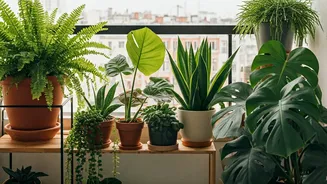
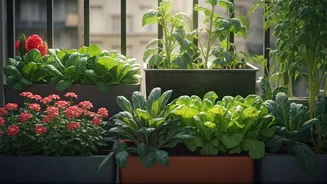
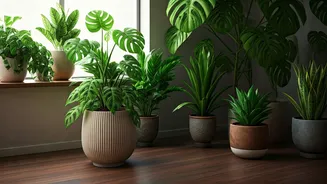
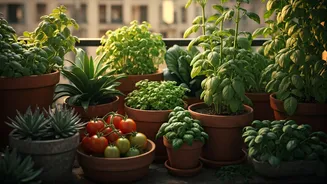
From Bengaluru balconies to Mumbai windowsills, a quiet revolution is underway. Young urban Indians are transforming their living spaces into miniature jungles. This isn't your grandmother’s traditional gardening; it's 'plant parenting.' The term itself
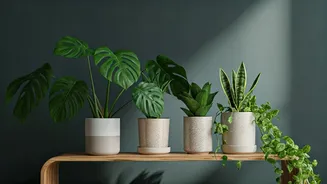
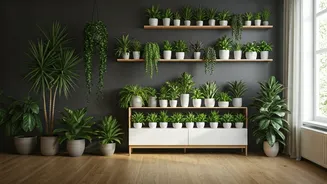
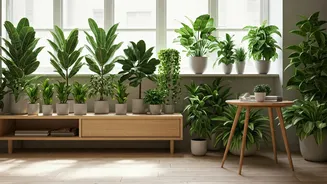
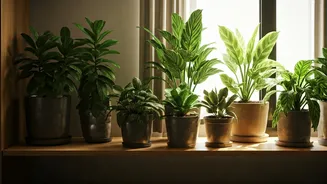
reframes the relationship from one of simple horticulture to one of nurturing and care. Nurseries, both online and offline, have reported a significant surge in demand, particularly for indoor, low-maintenance, and aesthetically pleasing plants. Social media is a major catalyst, with hashtags like #plantparent and #urbanjungleindia gathering hundreds of thousands of posts. Enthusiasts share 'shelfies' (plant-filled shelf photos), swap care tips, and celebrate 'new leaves' as milestones, creating a vibrant digital community.
A Remedy for Urban Loneliness
For many, this hobby is an antidote to the pressures of modern urban life. The act of caring for a living thing offers a sense of purpose and routine in otherwise chaotic schedules. Psychologists note that nurturing a plant can reduce stress, anxiety, and feelings of loneliness. It provides a tangible connection to the natural world, something often missing in concrete-dense cities. Unlike a pet, a plant demands quiet, consistent attention—watering, checking for sunlight, pruning—that encourages mindfulness. This gentle responsibility provides a grounding effect, a welcome contrast to the fast-paced, digitally-saturated lives many young professionals lead. It's a simple, accessible form of wellness that asks for little but gives back immeasurably in calm and satisfaction.
The Pandemic's Lasting Bloom
While the trend was budding pre-2020, the COVID-19 pandemic acted as a powerful fertiliser. Confined to their homes during lockdowns, people sought ways to improve their surroundings and occupy their time meaningfully. Plants became companions and projects. Tending to them provided a structured activity and a sense of control when the world outside felt uncertain. Online plant stores saw their sales skyrocket as people who had never owned a plant before began their collections. The home, which had suddenly become an office, gym, and entertainment hub, needed to be a sanctuary, and lush greenery was the quickest way to create a calming, life-affirming environment. This lockdown-induced habit has since stuck, evolving from a temporary pastime into a permanent lifestyle feature for many.
The New Aesthetic and Social Currency
Beyond the psychological benefits, plants have become a significant element of interior design and a form of social currency. A well-curated collection of exotic or rare plants can be a status symbol, akin to owning designer furniture or art. The 'plant aesthetic'—characterised by natural light, minimalist decor, and abundant greenery—dominates platforms like Pinterest and Instagram. It signals a lifestyle that is mindful, sophisticated, and connected to nature. For a generation that values experiences and personal expression, curating a plant collection is a way to craft a unique identity. It’s a hobby that is both deeply personal and highly shareable, fitting perfectly into the visual and community-driven culture of the digital age.