








The New Global Foodie
Forget whirlwind bus tours and crowded monuments. For a burgeoning segment of international tourists, the ultimate travel experience isn't about seeing, but doing. In the lush, mountainous region of northern Thailand, a fascinating trend is taking shape:
a significant influx of Indian travelers are flocking to Chiang Mai, not just for its serene temples and elephant sanctuaries, but for its cooking schools. These aren't just any tourists; they are 'experiential travelers.' Often hailing from India’s expanding middle and upper-middle classes, they are digitally savvy, well-researched, and seeking more than a passive vacation. They want immersion, connection, and skills they can take home. This shift marks a departure from the traditional family-centric, landmark-focused travel that once dominated the Indian outbound market. The new Indian traveler wants a story to tell, and increasingly, that story begins in the kitchen.
Why Chiang Mai Hits the Sweet Spot
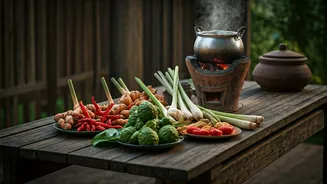
While Bangkok has its frenetic energy and Phuket its stunning beaches, Chiang Mai offers something different: a reputation as Thailand's cultural and culinary heart. Known for its distinct Lanna cuisine, which is less common in global Thai restaurants, the city provides a sense of discovery. For a traveler from a country with its own rich and regionally diverse culinary tapestry like India, the appeal is clear. It’s an opportunity to engage with another complex food culture on its own terms. The city’s relaxed pace, combined with a well-developed infrastructure of high-quality, tourist-friendly cooking schools, creates the perfect environment. These workshops are often set in beautiful organic farms or traditional teak houses, transforming a simple cooking lesson into a full-day, picturesque escape. It’s an accessible, yet seemingly authentic, adventure.
More Than Just a Recipe
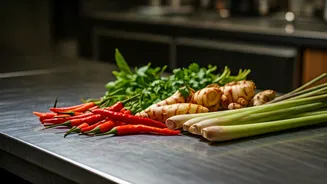
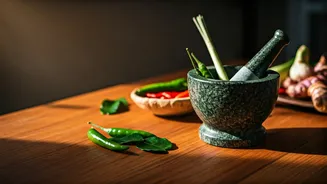
The draw of these workshops goes far beyond learning to make a perfect Pad Thai or Green Curry. The experience is holistically designed for maximum engagement. Most classes begin with a guided tour of a local market. For a food-loving traveler, this is a sensory wonderland. Here, instructors introduce exotic herbs, spices, and vegetables, explaining their uses and cultural significance. It’s a hands-on lesson in a new pantry of flavors. Back at the school, participants get their own cooking stations, chopping, pounding, and stir-frying under expert guidance. The process is interactive and social, fostering a sense of camaraderie among travelers from different backgrounds. The final act—sitting down to eat the multi-course meal you’ve just prepared yourself—provides a powerful sense of accomplishment and connection. It’s not just a meal; it’s a trophy, earned through participation.
A Quest for Connection and 'Authenticity'
Ultimately, this trend speaks to a universal, modern desire for authenticity, even if that 'authenticity' is a carefully curated product. In an age of social media, where unique experiences are a form of currency, a cooking class in a foreign land is a powerful asset. It’s photogenic, engaging, and demonstrates a deeper level of cultural curiosity than a selfie at a famous landmark. For Indian travelers, it also represents a fascinating cultural exchange. They are not just consuming a foreign culture; they are participating in its creation, engaging with its core elements, and finding common ground in the universal language of food. The experience demystifies another culture, making it approachable and personal. It turns a tourist into a student and a temporary participant, fostering a more profound sense of connection to a place and its people.