







A New Gateway to the Roof of the World
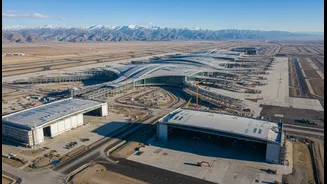
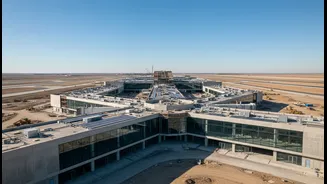
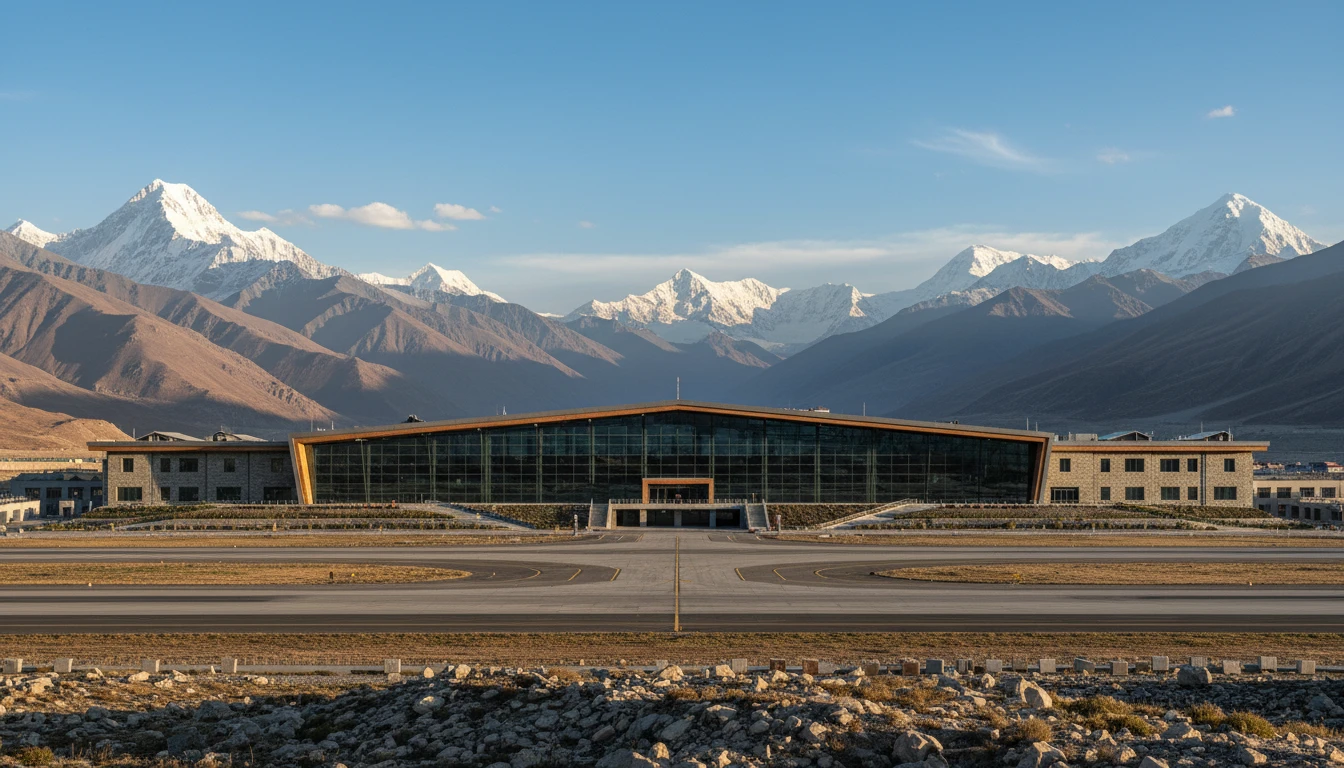
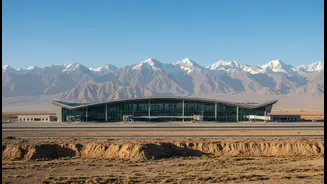
The new terminal at Leh’s Kushok Bakula Rimpochee Airport is an engineering feat designed to transform travel at 10,682 feet. According to the Ministry of Civil Aviation, the project is rapidly nearing completion. Once operational, it will be able to handle
up to 54 flights daily, a threefold increase from its current capacity. This will enable the airport to serve around 3.5 million passengers annually. More than just a bigger building, the state-of-the-art facility is a symbol of modern, sustainable infrastructure. It is designed to be India's first hybrid airport powered by a combination of geothermal and solar energy, a crucial innovation in an ecologically sensitive and cold-climate zone. With 18-20 check-in counters, modern baggage handling systems, and aerobridges, the terminal is built to eliminate bottlenecks and offer a seamless experience for travellers.
More Than Just a Tourist Hub
While the immediate benefit of the upgraded airport is a boost to tourism, its impact runs much deeper. For a region that is cut off by road for several months each year, reliable air connectivity is a lifeline. It ensures the steady flow of essential goods, supports local businesses, and creates new employment opportunities for Ladakh's residents. The increased capacity means more frequent and potentially more affordable flights, connecting Ladakh not just with major Indian cities like Delhi and Mumbai but also strengthening its economic integration with the rest of the country. This improved access is critical for everything from agriculture and handicrafts to providing better healthcare and educational opportunities by making travel less of an ordeal for residents.
Strengthening a Strategic Frontier
Ladakh's location makes it a region of immense strategic importance for India. An efficient, high-capacity airport is a critical asset for national security, enabling quicker and more reliable movement of troops and supplies to the border areas. The new terminal and associated upgrades like the parallel taxi track, which can serve as an alternative runway, significantly enhance the operational readiness of the armed forces in a challenging high-altitude environment. This infrastructure serves a dual purpose: while it opens up the region for economic growth and tourism, it also fortifies India’s defensive posture. The project is a clear signal that national development and strategic preparedness can, and must, go hand in hand, especially in sensitive frontier regions.
A Blueprint for Connecting Remote India
The Leh terminal project is not an isolated event but a showcase of a broader national vision. It serves as a powerful case study for the development of remote infrastructure across the country, from the Himalayas to the Northeast and island territories. Schemes like UDAN (Ude Desh ka Aam Nagrik) have already aimed to enhance regional connectivity, and the success of a complex, high-altitude project like Leh’s airport provides a blueprint for future endeavours. Investing in all-weather roads, modern airports, and reliable communication networks in far-flung areas is essential for equitable growth. It prevents economic isolation, promotes national integration, and ensures that the benefits of development reach every corner of the nation.