



A Shift in the Traveller's Mindset
The post-pandemic world has reshaped what people seek from a vacation. A growing number of Indian travellers, particularly millennials and Gen Z, are trading crowded urban centres for peace, space, and authenticity. This isn't just about avoiding tourist
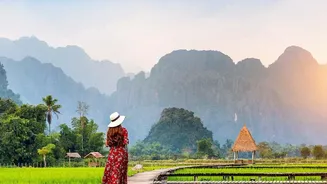
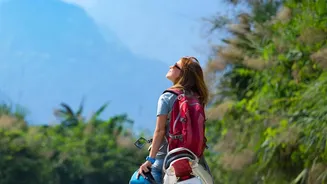
traps; it's a conscious move towards experiences that feel more personal and meaningful. The desire for a digital detox, a connection with nature, and a slower pace of life is driving people to explore destinations that offer a genuine escape. Reports show that travellers are increasingly looking to immerse themselves in local culture and support communities, a sentiment that perfectly aligns with the offerings of rural and wildlife tourism.
The Rise of Rural Retreats
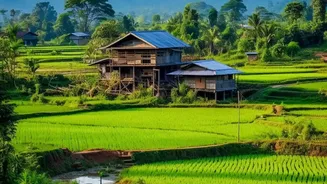
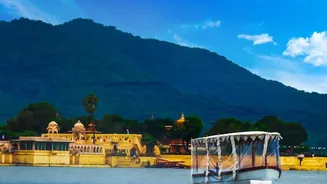
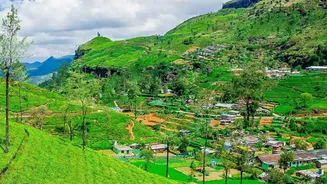
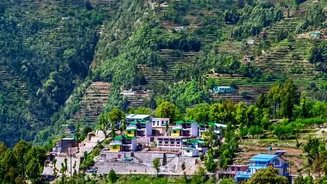
Homestays and farm stays are at the heart of this rural renaissance, offering a unique window into local life. Instead of impersonal hotels, travellers are opting to stay with families in villages, share home-cooked meals, and participate in daily activities. This trend is visible across the country, from the serene backwaters of Kerala to the vibrant craft villages of Gujarat and the Himalayan foothills of Uttarakhand. Government initiatives like the National Strategy for Rural Tourism and various state-level schemes are providing a significant push, helping develop infrastructure and empower local communities to become tourism entrepreneurs. These efforts are turning villages into self-sustaining tourism hubs, preserving culture while creating new livelihood opportunities.
Into India's Untamed Wilderness
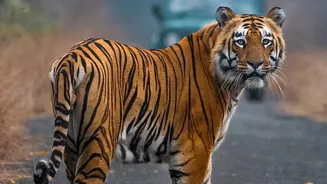
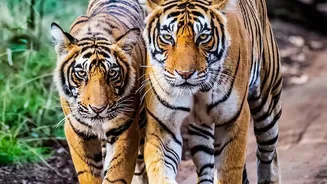
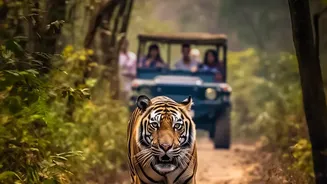
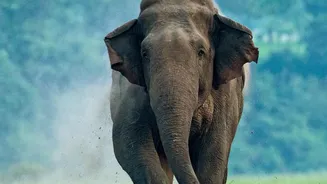
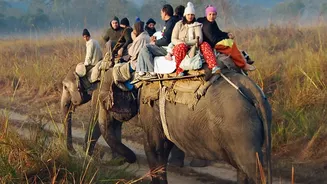
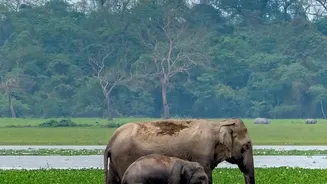
Wildlife tourism is also experiencing a major boom, with interest expanding far beyond the famous tiger reserves. Travellers are now exploring lesser-known national parks, bird sanctuaries, and eco-lodges that prioritize conservation. The Indian wildlife tourism market is projected to grow significantly, with an expected compound annual growth rate of 10.3% from 2026 to 2033. Destinations like the Daroji Sloth Bear Sanctuary in Karnataka, Shitlakhet in Uttarakhand, and the pristine ecosystems of the Northeast are gaining traction. This shift is supported by a growing consciousness among travellers about sustainable practices. Many now prefer to spend their money on eco-friendly resorts and experiences that contribute directly to the protection of India’s rich biodiversity.
Connectivity Fuels the Exploration
This exodus from cities wouldn't be possible without two key enablers: improved infrastructure and digital connectivity. The expansion of India's expressway network is creating 'tourism corridors' that link remote heritage and wildlife sites. Simultaneously, better and more affordable internet access has given rise to a generation of digital nomads and 'workcationers' who can log in from a mountain cabin or a beachside cottage. This flexibility allows for longer stays in offbeat locations, further boosting local economies. Homestays, once difficult to discover, are now easily bookable on digital platforms, increasing their visibility and revenue. Government schemes like UDAN are also improving regional air connectivity, making previously hard-to-reach areas more accessible.
A Sustainable Path Forward
The move towards rural and wildlife tourism is more than just a passing trend; it represents a more sustainable and inclusive model for the industry's future. By spreading tourist traffic away from overburdened cities, it reduces environmental strain and promotes balanced regional development. This model empowers local communities, particularly women, by creating jobs and a reliable source of income through homestays, guiding, and selling local crafts. Economically, it has a significant multiplier effect, as spending on homestays and local services directly benefits the rural economy. As domestic tourism continues to be the primary driver of the sector's growth, this shift ensures that the benefits of travel are distributed more widely across the nation.