


The Lithium-Ion Hurdle
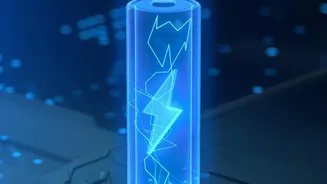
The heart of nearly every electric vehicle (EV) today is a lithium-ion battery. While effective, this technology comes with significant baggage. Lithium, along with other key minerals like cobalt and nickel, is scarce, geographically concentrated, and expensive.
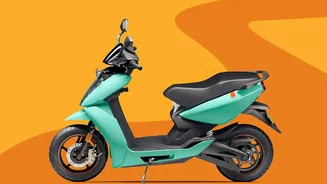
India imports the vast majority of these materials and the finished battery cells, exposing the nation's EV ambitions to volatile global supply chains and geopolitical risks. This import dependency is the single biggest factor keeping the prices of electric scooters and motorcycles stubbornly high, often placing them out of reach for the average Indian consumer who is looking for a cost-effective alternative to petrol-powered bikes.
Enter the Breakthrough: Sodium-Ion Batteries
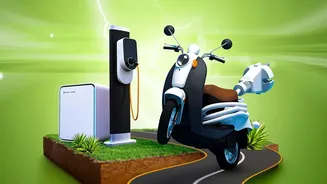
The most promising breakthrough set to tackle this challenge is the sodium-ion battery. Instead of relying on expensive lithium, these batteries use sodium—an element abundantly available from common salt. This fundamental difference has massive implications. Sodium is not only significantly cheaper but also widely available domestically in India, which could drastically reduce manufacturing costs and boost the country's energy security. Companies developing this technology highlight several other advantages, including enhanced safety due to a lower risk of thermal runaway (fires) and faster charging times in some cases. While early versions had lower energy density than their lithium-ion counterparts, modern advancements are rapidly closing the performance gap, making them increasingly suitable for electric two-wheelers designed for city commuting.
The 'Make in India' Advantage
The shift towards sodium-ion technology aligns perfectly with the 'Make in India' initiative. Several Indian companies and research institutions are already making strides in this area. Firms like Indi Energy, Sodion Energy, and GODI are actively developing and commercializing sodium-ion cells. Notably, Indi Energy is creating high-performance anode material from agricultural waste, creating a sustainable, circular economy that could even provide an alternative income source for farmers. Major players are also getting involved; Reliance acquired UK-based sodium-ion specialist Faradion, signalling a strong strategic pivot towards this technology to bypass lithium dependency. Furthermore, existing lithium-ion battery manufacturing plants can be repurposed to produce sodium-ion cells, lowering the barrier to entry for large-scale domestic production.
What This Means for Your Wallet
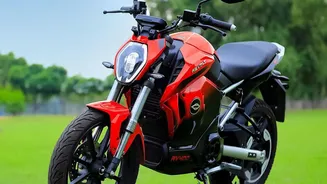
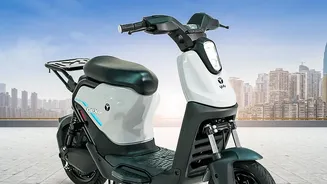
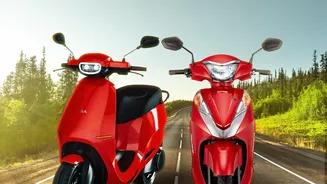
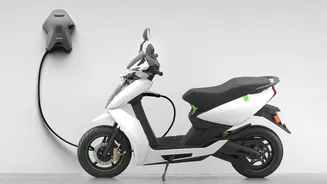
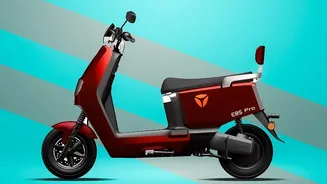
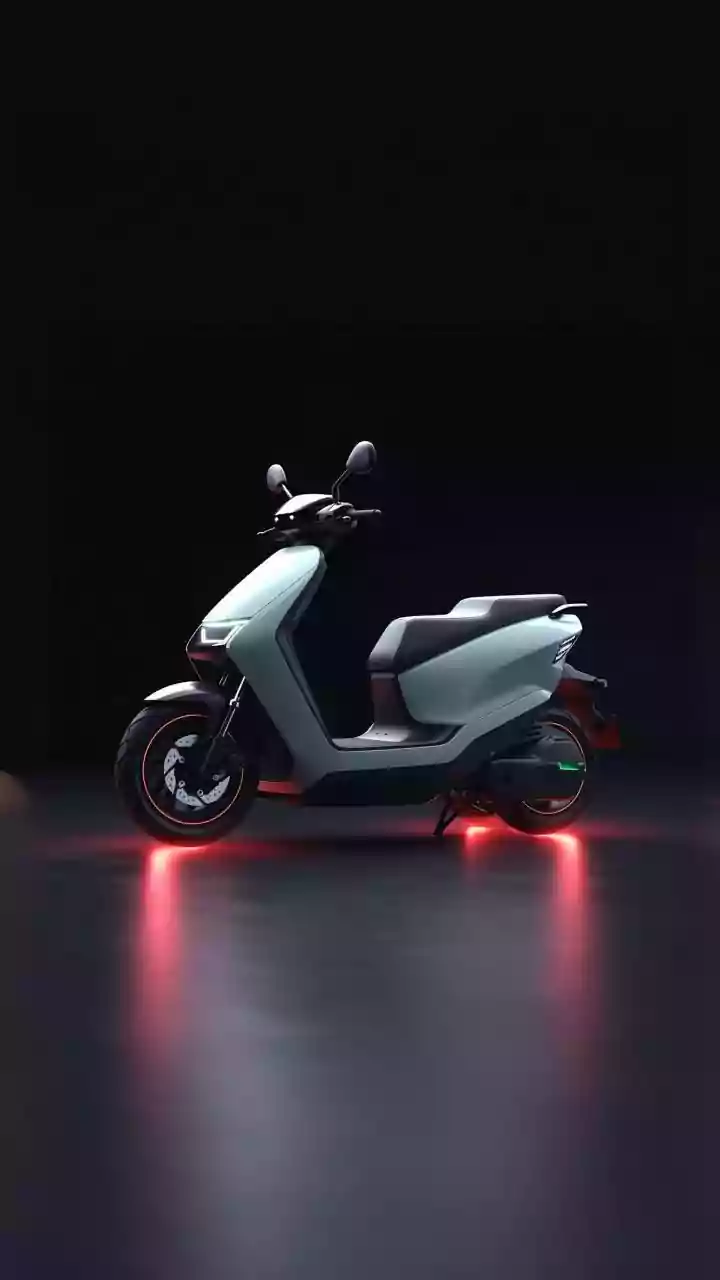
The ultimate goal of this technological shift is to make EVs more affordable. Batteries can account for 40-50% of an electric two-wheeler's total cost. By replacing expensive imported lithium with abundant, locally sourced sodium, manufacturers can slash this cost significantly. This could lead to a new generation of electric scooters and motorcycles priced competitively against their petrol-powered counterparts, a crucial factor for mass adoption in a price-sensitive market like India. While some companies are already offering price cuts on current models, the real game-changer will be the widespread commercialisation of sodium-ion powered vehicles. Industry experts predict that commercial deployments of EVs with this new battery tech could begin as early as 2026, heralding a new era of accessible e-mobility.
The Road Ahead
Despite the immense promise, challenges remain. India currently lacks a complete domestic ecosystem for sodium-ion batteries, including the manufacturing of specific cathodes, anodes, and electrolytes. Significant investment and policy support are needed to scale up research, fund pilot projects, and build a robust supply chain to compete with international firms. The government has recognized sodium-ion technology in its Production Linked Incentive (PLI) scheme for Advanced Chemistry Cells, but a more focused national mission is needed to accelerate its adoption. Success will require a coordinated effort between industry, academia, and government to ensure India doesn't just adopt this new technology, but becomes a leader in manufacturing it.