

The Pakora Promise and Problem
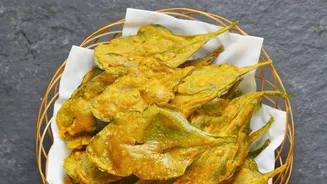
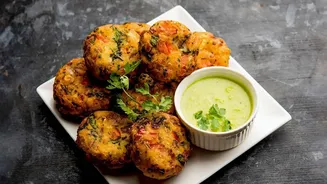
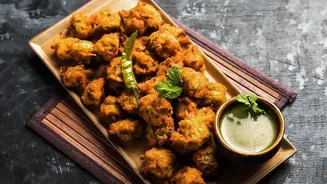
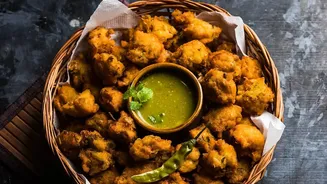
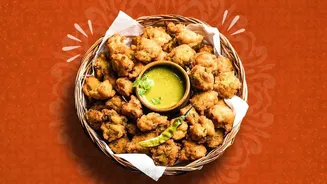
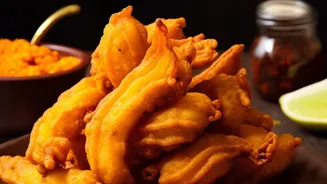
Pakoras represent comfort, tradition, and the simple joy of a crispy, savoury snack. The magic happens when a spiced gram flour (besan) batter hits hot oil, creating a crunchy exterior that gives way to a soft, flavourful inside. This process, deep-frying,
is what delivers that signature texture. However, it also means the pakoras absorb a significant amount of oil, making them a heavy indulgence. For health-conscious food lovers, this creates a dilemma: sacrifice the snack or sacrifice the diet? Fortunately, modern techniques and a few smart ingredient tweaks allow home cooks to enjoy their favourite fritters without the guilt.
The Air Fryer Revolution
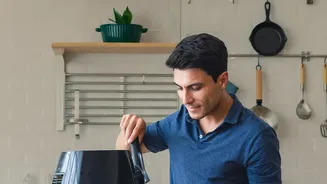
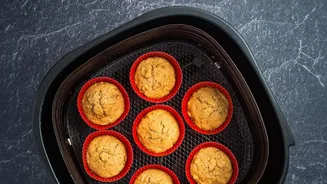
The most popular method for achieving a low-oil crunch is the air fryer. This countertop convection oven circulates hot air at high speed to mimic the effects of deep-frying. For perfect air-fried pakoras, the batter needs to be thicker than a traditional recipe so it clings to the vegetables instead of dripping through the basket. Preheating the air fryer is essential for a crispy start. After spooning your batter into the basket, a light spray of oil helps the outside turn golden brown and crisp. Cook them at around 180°C to 200°C, flipping them halfway through, to ensure they cook evenly and become perfectly crunchy on all sides.
The Appe Pan Secret Weapon
A lesser-known but incredibly effective tool is the appe pan, also known as a paniyaram pan. Traditionally used in South Indian cooking, this pan has multiple small, round cavities that are perfect for making uniformly shaped pakoras with minimal oil. You simply add a drop of oil to each cavity, fill it with the pakora batter, and cook on medium heat. By turning them to cook on all sides, you get delightful, ball-shaped pakoras that are crispy outside and fluffy inside. This method is fantastic for containing the batter and requires significantly less oil than even shallow frying.
Mastering the Oven-Baked Crunch
Baking is another excellent low-oil alternative, though it requires a slightly different approach to achieve crispiness. The key is to place your pakoras on a baking sheet lined with parchment paper and ensure they aren't too crowded. A higher oven temperature, around 190°C to 200°C, is necessary. Brushing or spraying the pakoras with a little oil before and during baking helps them brown and crisp up instead of just drying out. While they might be slightly flatter than their fried counterparts, baked pakoras deliver a satisfying crunch and deep flavour, proving that a deep-fryer isn't a necessity.
Smart Batter Adjustments Are Key
Regardless of the cooking method, the secret to a truly crispy low-oil pakora lies in the batter. Many successful recipes recommend adding one or two tablespoons of rice flour or cornflour to the besan. This simple addition dramatically enhances the crispiness. Furthermore, ensuring your batter is thick and not runny is crucial; it should coat the vegetables well without dripping off. Some cooks also find that using cold vegetables helps them remain firm and results in a crispier final product. Finally, a pinch of baking soda can make the pakoras lighter and airier.