


Kheer or Payasam
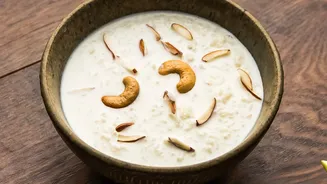
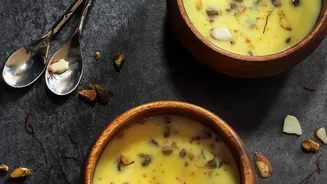
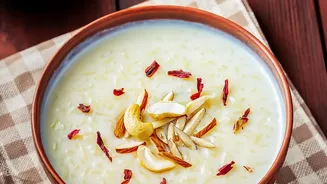
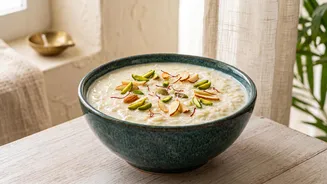
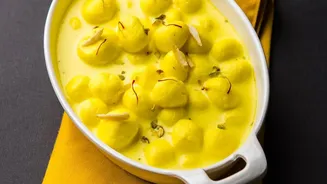
A timeless classic, kheer is perhaps one of the most beloved and essential offerings in any Hindu festival, and Janmashtami is no exception. This creamy rice pudding, made by slow-cooking rice or vermicelli in milk until it thickens, is a symbol of purity
and devotion. The simplicity of its core ingredients—milk, rice, and sugar—allows for beautiful flavour enhancements. Aromatic additions like cardamom, saffron, and a garnish of slivered almonds and pistachios elevate it from a simple sweet to a divine offering. Different regions have their own cherished versions, such as makhana (fox nut) kheer, which is also a popular choice for the Janmashtami fast. Its comforting warmth and gentle sweetness make it a perfect dish to celebrate the birth of Lord Krishna.
Rabri
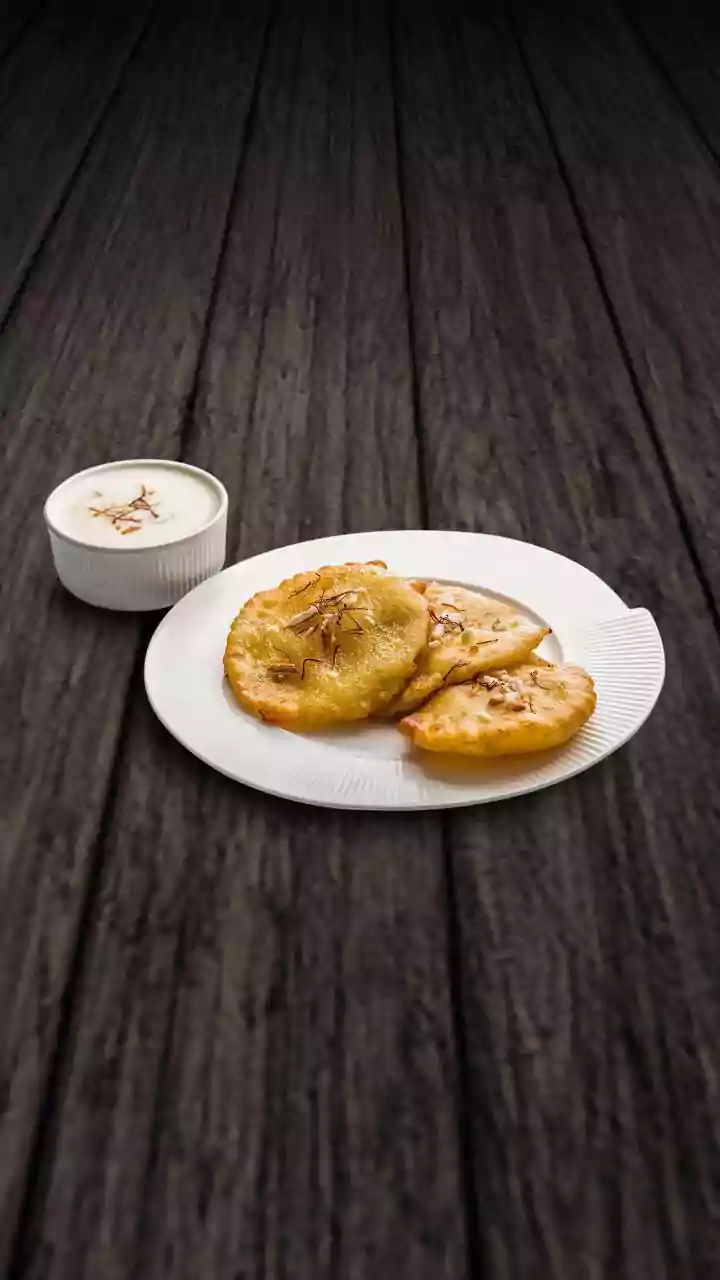
Decadent, thick, and incredibly rich, Rabri is a dessert that speaks of patience and dedication—qualities that mirror deep devotion. This sweet is made by simmering full-fat milk in a wide, heavy-bottomed pan for a long time, allowing it to reduce and thicken. As layers of cream (malai) form on the surface, they are carefully pushed to the sides of the pan. In the end, these creamy layers are stirred back into the condensed milk, creating a luscious, textured sweet that is unparalleled. Flavoured with cardamom, saffron, and nuts, Rabri is a luxurious treat. It can be enjoyed on its own or served with other sweets like jalebi or malpua, but for a Janmashtami bhog, offering it chilled in its purest form is a tribute to Krishna's love for all things dairy.
Mathura Peda
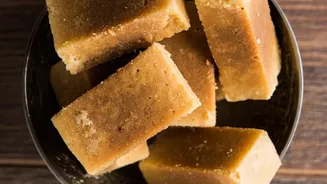
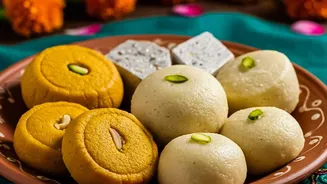
No list of Janmashtami sweets would be complete without the iconic Mathura Peda. Originating from Lord Krishna's very birthplace, this sweet holds a special significance. Unlike other pedas, the Mathura Peda has a distinct brownish hue and a slightly grainy, caramelized flavour. This comes from roasting khoya (milk solids) on a low flame until it darkens in colour and develops a rich, nutty aroma. The roasted khoya is then mixed with powdered sugar and shaped into small, disc-like pedas. Offering Mathura Peda is like offering a taste of Krishna's childhood home, making it one of the most fitting and popular sweets for the bhog. Many recipes now use milk powder as a shortcut to achieve that classic texture and taste.
Shrikhand
Hailing from the western states of Gujarat and Maharashtra, Shrikhand is a refreshing and creamy dessert made from hung curd. To prepare it, plain yoghurt is tied in a muslin cloth and left to drain for several hours, resulting in a thick, cheese-like substance called 'chakka'. This is then whisked with powdered sugar, saffron, and cardamom until it becomes smooth and velvety. The beauty of Shrikhand lies in its delightful balance of sweet and tangy flavours. Served chilled and garnished with pistachios and almonds, it is a light yet satisfying dessert that is particularly welcome after a day of fasting. It's often prepared as a prasad offering for Lord Krishna, fitting perfectly into the dairy-rich theme of the festival.
Kalakand
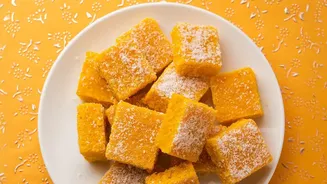
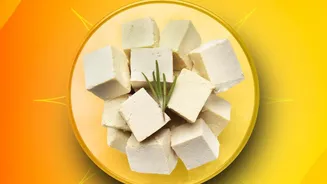
Kalakand, often referred to as a milk cake, is another wonderful addition to the Janmashtami menu. With its soft, moist, and grainy texture, it offers a unique mouthfeel compared to other milk sweets. It is traditionally made from solidified, sweetened milk and paneer (Indian cottage cheese). The mixture is cooked until it thickens and then set in a tray to be cut into squares. Flavoured subtly with cardamom powder and garnished with chopped nuts, Kalakand is a delicate sweet that truly highlights the richness of milk. Its melt-in-the-mouth quality makes it a favourite among all age groups. Preparing this sweet at home is an act of love, and its pure, milky taste makes it a worthy offering for the divine butter-lover himself.