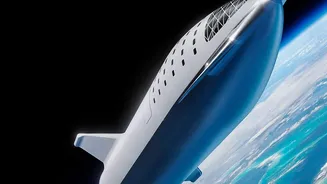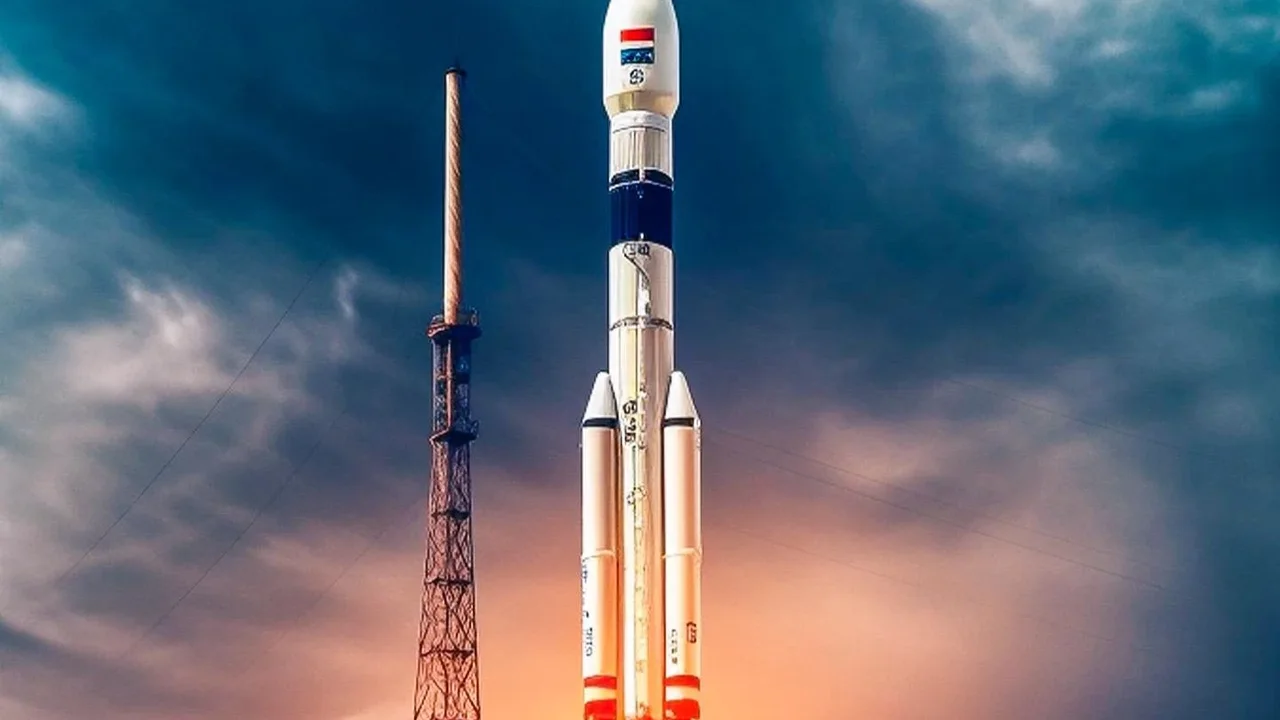




Look up. The world’s largest and most powerful rocket, SpaceX’s Starship, is scheduled to soar across Indian skies this week in a landmark test flight. This ambitious mission marks a new chapter in the quest for fully reusable spacecraft.
What is Starship Flight 15?
SpaceX is targeting
the morning of November 14 (IST) for the 15th test flight of its Starship system, launching from Starbase in Texas. This is not just another launch; it represents a monumental leap in aerospace engineering. For the first time, SpaceX will attempt to recover both stages of the massive rocket. The Super Heavy booster is expected to return to the launch site minutes after liftoff, while the Starship upper stage will proceed into orbit. This mission is uncrewed and its primary goal is to test the technologies needed to make space travel cheaper and more sustainable.
A Groundbreaking Mission Profile
The mission plan is audacious. After the Super Heavy booster separates and attempts its return, the Starship spacecraft will fire its own engines to enter a low Earth orbit. It will then spend over 22 hours circling the globe, completing approximately 14 orbits. During this time, it will deploy a batch of 26 Starlink V3 internet satellites. The long duration of the flight is designed to test the vehicle's endurance and systems before it attempts a controlled re-entry and return to the launch tower in Texas, a feat never before accomplished with an orbital-class upper stage.
A Journey Across Indian Skies
Due to its orbital path, Starship will pass over parts of India multiple times during its 22-hour journey. While the massive vehicle will be flying at an altitude of around 275 kilometres, it will give skywatchers a rare, albeit brief, opportunity to potentially spot it. The visibility will depend on factors like the time of the pass, local weather conditions, and light pollution. The fly-overs are not just a curiosity; they underscore the global nature of modern spaceflight, where trajectories connect continents in minutes. The mission also has a contingency plan for a safe splashdown in the Indian Ocean if a return to the launch site is not possible.
The 'Chopsticks' Catch
The most technically challenging aspect of the mission is the recovery. Both the Super Heavy booster and, a day later, the Starship spacecraft are slated to be caught by a pair of giant mechanical arms on the launch tower, nicknamed 'chopsticks'. SpaceX has successfully caught boosters on previous flights, but this will be the first attempt to catch the Starship upper stage, which will be returning from orbit at incredibly high speeds. A successful catch of both components would be a historic first for any orbital launch system and a critical milestone toward SpaceX's goal of a fully and rapidly reusable rocket.
Why This Mission Matters
Starship Flight 15 is more than just a test; it's a stepping stone to the future of space exploration. The ability to fully reuse both stages of a rocket could dramatically lower the cost of accessing space. This technology is fundamental to SpaceX's longterm ambitions, which include building a base on the Moon for NASA's Artemis program and eventually sending humans to Mars. Each test flight, successful or not, provides crucial data that refines the design and brings these goals closer to reality. For observers in India and around the world, this flight is a visible demonstration of the rapid progress being made in the 21stcentury space race.