


The Classic Masala Chai Blend
A staple in countless Indian households, masala chai is the ultimate spiced tea. A robust chai masala powder is key to its flavour. While recipes vary by family and region, a classic blend typically includes warming spices like green cardamom, cloves,
cinnamon, dried ginger, and black peppercorns. Some variations might also add fragrant star anise or nutmeg for extra depth. You can buy pre-made blends, but making your own allows you to adjust the spice levels to your preference. Simply grinding these spices together creates a powder that can be added to black tea as it simmers with milk and water, creating a fragrant and invigorating beverage that is both comforting and stimulating.
Golden Turmeric Milk Masala
Known globally as 'golden milk', haldi doodh is a traditional Indian remedy cherished for its soothing properties. The core of this drink is, of course, turmeric, renowned for its active compound, curcumin. To enhance its benefits, the spice blend for turmeric milk must include black pepper, which contains piperine, a compound known to aid the absorption of curcumin. You can elevate this simple blend by adding other warming spices like ground ginger, a stick of cinnamon, or a pinch of ground cardamom. This caffeine-free drink is traditionally made by gently warming milk with the spice blend and is often enjoyed before bedtime for a comforting and restful night.
Aromatic Milk Masala Powder
For a nutritive and festive drink without tea, a milk masala powder is a delightful option. This blend is less about sharp, pungent spices and more about rich, aromatic flavours. It typically features a base of ground nuts, such as almonds and pistachios, combined with fragrant spices like saffron, nutmeg, and cardamom. This powder can be stirred into a warm cup of milk for a creamy, satisfying beverage that feels like a treat. It’s a wonderful way to add extra nutrition and flavour, and is especially popular during festive seasons or as a nourishing drink for children and adults alike.
Savoury Spiced Buttermilk Blend
Not all spiced drinks need to be sweet or served hot. Masala chaas, or spiced buttermilk, is a cooling, savoury beverage renowned for its digestive properties, especially during warmer months. The spice blend here is simple yet effective: roasted cumin powder (bhuna jeera), black salt (kala namak), and sometimes finely minced ginger or fresh mint leaves. To make it, you simply whisk yoghurt with water until smooth, then stir in the spice blend. It’s a tangy, refreshing drink that aids digestion and provides a light, flavourful alternative to heavier milk-based beverages.
Soothing Fennel & Cardamom Infusion
For the simplest, caffeine-free warm drink, a blend of fennel seeds (saunf) and green cardamom pods (elaichi) is perfect. Both spices are celebrated in Indian tradition for their digestive benefits and ability to freshen the breath. To prepare, lightly crush a teaspoon of fennel seeds and a few cardamom pods and steep them in hot water for several minutes, similar to how you would brew tea. The resulting infusion is subtly sweet, aromatic, and deeply calming. It’s an excellent choice for an after-dinner drink to help settle the stomach.
Peppermint Tea: The Refreshing Alternative
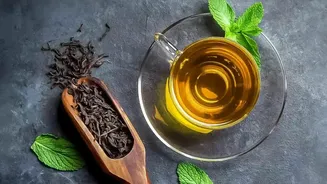
Shifting from traditional Indian spices, we turn to another globally popular herbal drink: peppermint tea. This is not a 'true' tea from the Camellia sinensis plant, but a herbal infusion, or tisane, made from the leaves of the peppermint plant (Mentha x piperita). Its signature cooling flavour and aroma come from menthol, its primary active compound. Naturally caffeine-free, it is a popular choice for any time of day, but especially as a relaxing evening beverage.
Potential Wellness Benefits
Peppermint tea is most famous for its ability to aid digestion. The menthol in peppermint is thought to relax the muscles of the digestive tract, which may help ease symptoms like gas, bloating, and indigestion. Its antibacterial properties also contribute to fresher breath. While some people drink it to relieve tension headaches, most research supports the use of peppermint oil applied topically for this purpose rather than drinking the tea. Nonetheless, a warm, hydrating, caffeine-free cup can be a soothing ritual that promotes relaxation and may contribute to better sleep.
How to Brew the Perfect Cup
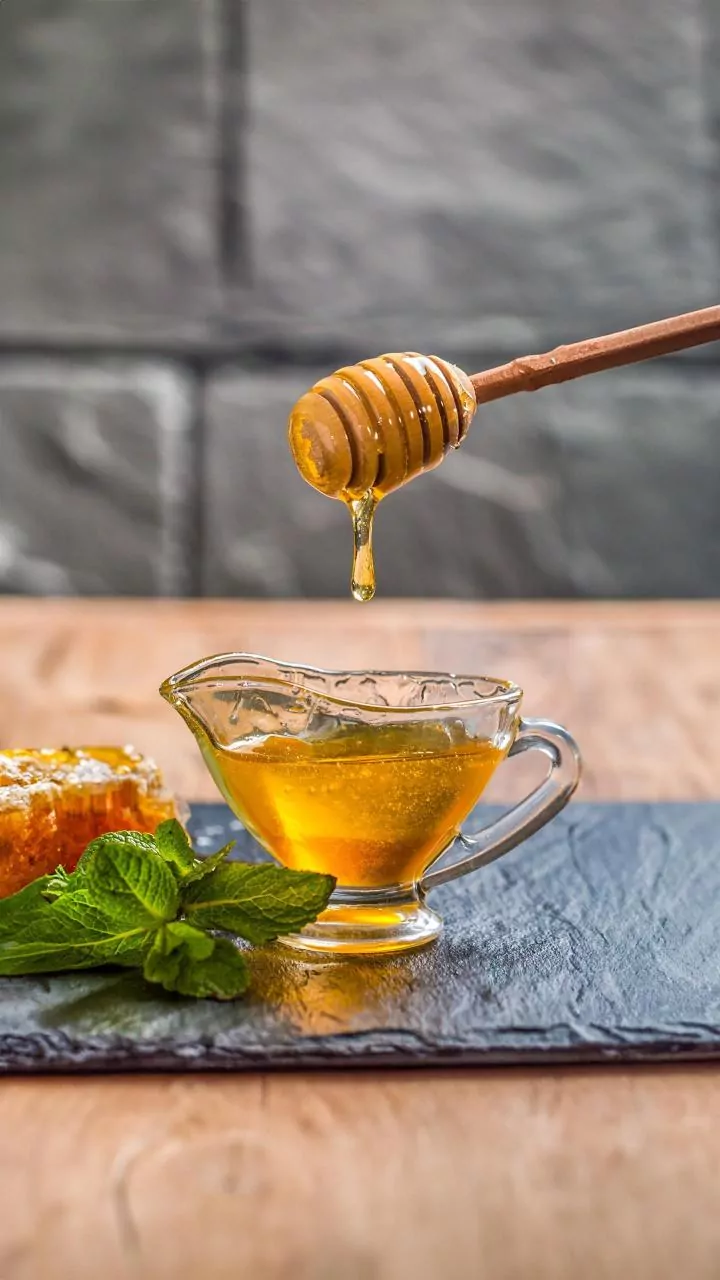
Making peppermint tea is straightforward. You can use pre-made tea bags or loose dried leaves. For the best flavour, use freshly boiled water and let it steep for about 3-5 minutes for tea bags, or slightly longer (5-7 minutes) for whole loose leaves. It's a good idea to cover your cup while it steeps; this prevents the volatile oils, like menthol, from escaping with the steam, ensuring more flavour and aroma in your drink. You can enjoy it plain or with a touch of honey.
A Few Things to Keep in Mind
While generally very safe for most people, peppermint tea can sometimes cause issues for individuals with acid reflux or GERD (gastroesophageal reflux disease). Because menthol relaxes muscles, it can also relax the sphincter that separates the oesophagus from the stomach, potentially allowing stomach acid to move upward and worsen heartburn. It may also interact with certain medications, so if you have any underlying health conditions or are taking prescription drugs, it is always wise to consult a doctor.