


Route Planning: The Two Lifelines
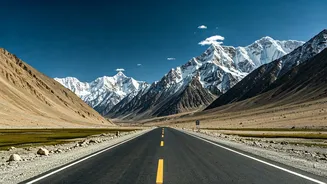
Your Ladakh adventure begins with a crucial choice: the Manali-Leh highway or the Srinagar-Leh highway. Experienced travellers often recommend a circuit: ascend via Srinagar and descend via Manali. The Srinagar-Leh route offers a more gradual ascent,
with initial night halts at Sonamarg or Kargil, significantly reducing the risk of Acute Mountain Sickness (AMS). This path allows your body to acclimatise slowly. The Manali-Leh highway, while arguably more dramatic with its high passes like Rohtang and Gata Loops, forces a rapid gain in altitude. It’s best tackled on the way down, when you are already acclimatised to Leh’s altitude of over 11,000 feet. For a first-timer, the Srinagar-in, Manali-out approach is the gold standard.
Acclimatisation: The Golden Rule
This is the single most important part of any Ladakh guide. Acute Mountain Sickness (AMS) is a serious, potentially life-threatening condition. The mantra from every seasoned traveller is: 'Do not rush.' Upon reaching Leh (or any location above 10,000 feet), dedicate a full 24-48 hours to acclimatisation. This means no strenuous activity. Just rest, walk around the local market, and drink plenty of water (3-4 litres a day). Avoid alcohol and smoking. A common mistake is to arrive in Leh and immediately plan a trip to Khardung La the next day. This is a recipe for disaster. Listen to your body. Headaches, dizziness, and nausea are warning signs. If symptoms appear, do not ascend further. Diamox can be a helpful preventive measure, but consult your doctor before the trip.
Permits and Paperwork: Your Golden Ticket
While Ladakh has opened up significantly, certain areas still require an Inner Line Permit (ILP) for Indian tourists. These include popular destinations like Nubra Valley (for villages beyond Hunder), Pangong Tso, and Tso Moriri. The process is now streamlined and can be done online through the Leh administration's official portal. You can apply for the permit yourself with valid ID proof. Once you get the online approval, you need to get it stamped at the Tourist Information Centre (TRC) office in Leh. Always carry multiple photocopies of your permit and your government-issued ID, as you’ll need to submit them at various checkpoints along your route.
Machine and Rider: Gearing Up
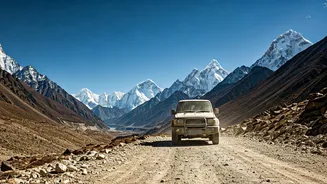
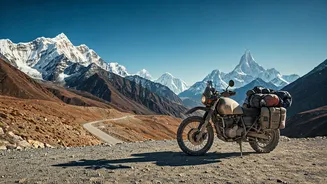
Whether you choose a motorcycle or a 4x4, your vehicle is your lifeline. A thorough service before the trip is non-negotiable. For bikes, ensure your clutch plates, accelerator cables, and chain-sprocket kit are in good condition. Carrying spare essentials like a puncture repair kit, spark plugs, and extra cables is a must. If you're driving a car, a vehicle with high ground clearance is highly recommended. For the rider, physical fitness is key. The journey is demanding. Equally important is mental endurance. You will face unpredictable weather, rough road patches, and long hours in the saddle. Being well-rested and mentally prepared is as crucial as having a well-serviced machine.
Packing Smart for the Peaks
Packing for Ladakh is about layering. The sun can be harsh during the day, while nights can be freezing. Pack thermal wear, fleece jackets, and a windproof and waterproof outer layer. Good quality sunglasses are essential to combat the high-altitude sun and prevent snow blindness. Don’t forget a woollen cap, gloves, and warm socks. A basic medical kit is a must, containing medicines for headache, fever, stomach issues, and any personal medications, alongside bandages and antiseptic. Carry a power bank, as electricity can be erratic in remote areas. Finally, bring cash. While Leh has ATMs, they can be unreliable. In remote regions, cash is the only way to pay.