




Thinking Beyond the Showroom: Total Cost of Ownership
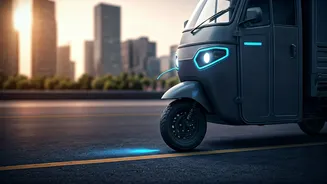
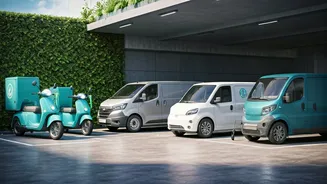
The first major shift for fleet managers is moving from purchase price to Total Cost of Ownership (TCO). While an electric vehicle (EV) may have a higher upfront cost than its diesel or CNG counterpart, its lifetime operational costs are often dramatically
lower. For high-use commercial vehicles in India, the energy cost per kilometre for an EV can be six to ten times lower than for a diesel vehicle. For a last-mile delivery three-wheeler, this can mean running on ₹0.50 to ₹1.0 of electricity per kilometre, compared to ₹3.5 to ₹4.5 for diesel or CNG. Over thousands of kilometres a year, these savings are substantial. However, calculating TCO isn't just about fuel. It involves factoring in the higher initial investment, government incentives like the FAME scheme, lower maintenance costs (no engine oil, fewer moving parts), and the eventual resale value.
The Power Problem: Investing in Charging Infrastructure
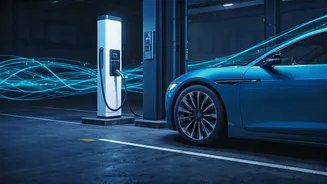
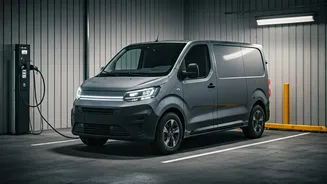
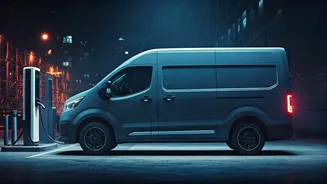
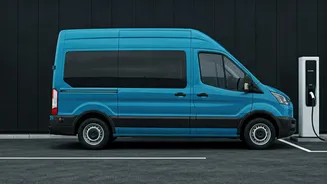
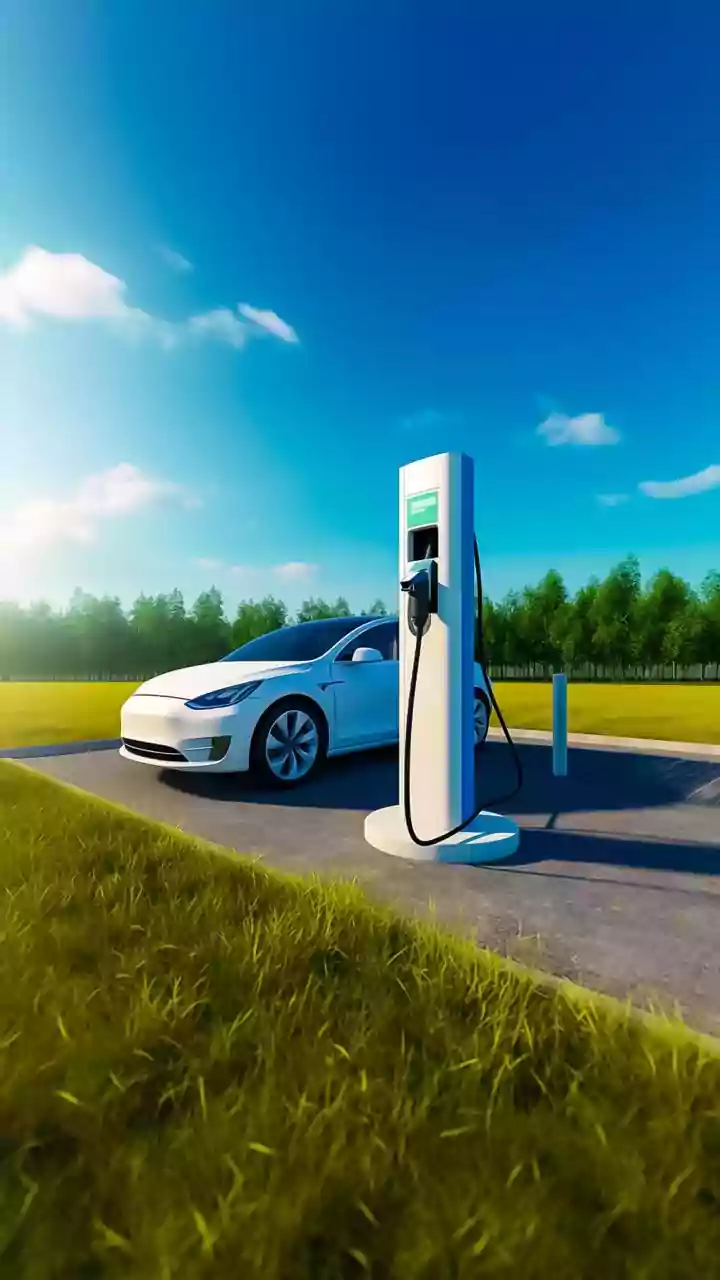
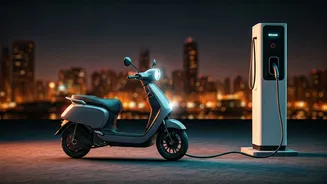
Perhaps the largest hidden cost is charging infrastructure. Simply buying vehicles without a plan to charge them efficiently is a recipe for failure. Companies need to invest in depot charging, which involves significant planning and capital. A single DC fast charger can cost anywhere from ₹4 lakh to ₹12 lakh to install. A station with a mix of AC and DC chargers can run from ₹9 lakh to over ₹18 lakh, not including potential costs for transformers, grid connection upgrades, and civil works. Securing the necessary power connection from a local distribution company (DISCOM) can itself be a lengthy process, sometimes taking months. Insufficient or poorly planned charging leads to vehicle downtime, which directly erodes the TCO advantage that made EVs attractive in the first place.
Rethinking the Route: Operational and Digital Overhaul
An electric fleet does not operate like a diesel one. The entire logistical operation needs to be re-engineered. Route planning, once based on the nearest petrol pump, must now revolve around vehicle range and charger availability. This requires sophisticated software that can account for variables like payload, temperature, and terrain, all of which affect an EV's battery performance. Drivers need new training, not just on the vehicles themselves but on charging etiquette and range management. Furthermore, scheduling becomes more complex. Charging takes longer than refueling, and this downtime must be built into delivery schedules to maintain efficiency and meet customer expectations. This means a shift from simple vehicle tracking to a more holistic fleet management system that integrates route optimisation, real-time battery monitoring, and charging schedules.
The Grid Connection: Broader Energy Strategy
On a larger scale, companies must consider their impact on the local electricity grid. A fleet of dozens of vehicles plugging in simultaneously at the end of a shift can create a massive power surge, potentially straining the local grid and leading to high electricity costs during peak hours. Smart energy management becomes crucial. This can involve strategies like staggered charging, using on-site battery storage to hold cheaper off-peak power, or even installing solar panels to generate a portion of their own electricity. This not only manages costs but also ensures the sustainability promise of EVs isn't undermined by drawing power from a coal-heavy grid. For large-scale operators, a fleet transition is also an energy infrastructure project.