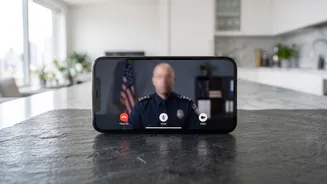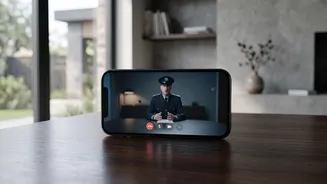








It starts with a call from someone claiming to be from the police or CBI. Suddenly, you're accused of a crime, and to avoid immediate arrest, you must not speak to anyone. This is 'digital arrest', a scam designed to isolate and extort you.
What is 'Digital Arrest'?
A 'digital
arrest' is a sophisticated form of cyber fraud where criminals impersonate law enforcement officials to psychologically trap their victims. There is no such thing as a digital arrest under Indian law; it is a fraudulent tactic created entirely by scammers to inspire fear and panic. The criminals accuse their target of serious crimes like money laundering or drug trafficking, often citing the victim's own Aadhaar or bank details to sound credible. They then use the threat of immediate legal action to coerce victims into transferring large sums of money or revealing sensitive financial information.
The Anatomy of the Scam
This scam follows a chillingly effective script. It begins with an unexpected call where a fraudster, posing as an officer from the CBI, ED, or local police, informs you that a parcel in your name contains illegal items or that your identity has been used in a crime. They use official-sounding jargon and may even have your personal details, which are often sourced from data breaches. The scam escalates when you're instructed to join a video call on platforms like Skype or WhatsApp. On the call, you might see fake uniforms, forged documents like FIRs or arrest warrants, and even a staged police station background to make the threat feel real. This is when the 'arrest' begins.
The Isolation Tactic
The core of the 'digital arrest' scam is psychological isolation. Scammers demand that the victim remain on the video call continuously, sometimes for hours or even days, under the guise that they are under surveillance during an 'investigation'. They strictly forbid the victim from contacting anyone—family, friends, or a lawyer—claiming it would compromise the 'confidential' case. This complete isolation is crucial for the scammers. It prevents the victim from getting a reality check from a trusted person who would likely recognise the situation as a scam. Trapped in a state of fear and confusion, and cut off from any outside perspective, the victim becomes highly susceptible to manipulation and control.
Why This Deception Works
The effectiveness of this scam lies in its exploitation of basic human emotions: fear and respect for authority. The impersonation of high-ranking officials from agencies like the CBI creates immediate panic, causing victims to react emotionally rather than logically. Even educated professionals, including doctors and engineers, have fallen prey because the psychological pressure bypasses rational thinking. Scammers deliberately target individuals they believe have savings and are more likely to pay to protect their reputation. The isolation ensures that this fear is amplified, leaving the victim feeling helpless and with no choice but to comply with the demands for money, which are often disguised as a 'verification process' or a fee to 'settle the matter'.
How to Protect Yourself and Others
Recognising the red flags is the first step to safety. No legitimate law enforcement agency in India, including the police or CBI, will ever contact you via WhatsApp or Skype to conduct an investigation, serve a warrant, or demand money. They will never ask you to transfer funds to 'verify' your accounts or to avoid arrest. If you receive such a call, stay calm and do not panic. The urgency is a tactic. Do not share any personal information, OTPs, or bank details. The best course of action is to disconnect the call immediately. Afterwards, contact your local police station through its official non-emergency number to verify the claim. It is crucial to report the incident by calling the national cybercrime helpline at 1930 or by filing a complaint at cybercrime.gov.in.