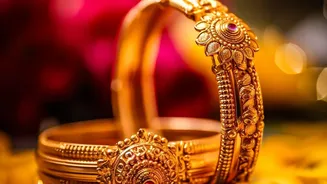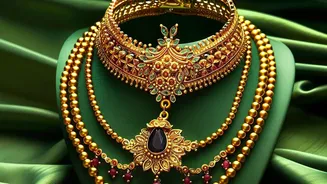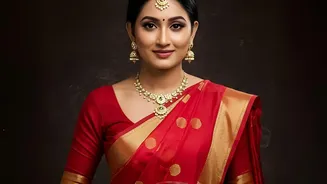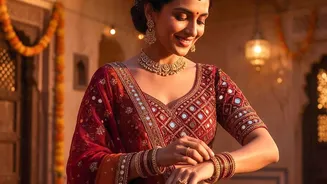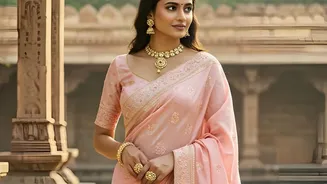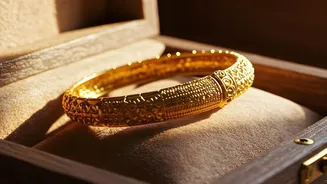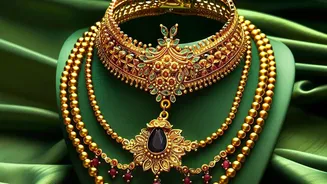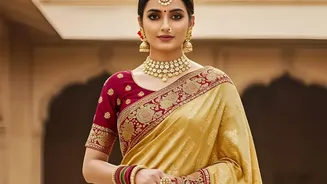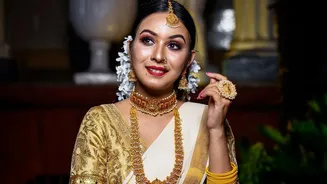





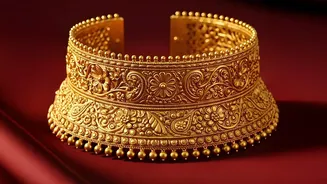

In India, gold is more than a glittering accessory; it's a symbol of prosperity, tradition, and security. For women, its significance runs deeper, functioning as a powerful instrument of financial sovereignty and personal empowerment.
A Legacy of Financial Autonomy
For centuries, within
a patriarchal framework that often limited women's rights to own immovable property, gold emerged as a unique solution. Historically, turning wealth into wearable jewellery was a sophisticated way to provide daughters with their inheritance in a portable, concentrated format. This practice is rooted in the concept of 'Stridhan', which translates to 'woman's wealth'. Legally recognized in ancient texts and codified under modern Indian law, Stridhan refers to the assets a woman receives during her lifetime, over which she has absolute ownership. This includes gifts from family and friends before, during, and after her marriage, making gold a foundational element of her financial safety net.
More Than an Ornament, A Liquid Asset
The true power of gold jewellery in empowering women lies in its liquidity. It is a tangible asset that can be easily converted into cash during emergencies, providing a crucial buffer against financial shocks without relying on formal banking systems that may have historically discriminated against women. This makes gold an invaluable tool for risk management, used to fund everything from children's education and business ventures to unexpected medical expenses. In many households, especially in rural areas, it serves as an informal insurance system. This ability to quickly pledge or sell jewellery gives women a degree of control and agency over their financial circumstances, offering a sense of security that abstract financial instruments might not provide.
Navigating Power Dynamics in the Family
Within the complex structure of Indian family life, gold ownership can subtly shift power dynamics. The amount of gold a woman possesses can influence her status and say in household matters. It is often viewed as her personal economic security in a patriarchal family setup. While a husband might be considered the head of the household, the gold is traditionally seen as belonging to the woman, her personal fallback in times of need. This intergenerational transfer of wealth, from mother to daughter, is not just about passing on a valuable asset; it's about embedding a legacy of financial preparedness and strengthening family bonds. The jewellery carries emotional weight, representing heritage and familial love, further cementing its importance.
From Tradition to Modern Investment
The perception of gold is evolving. While its traditional and emotional value remains strong, Indian women increasingly view it as a smart investment. Reports show that Indian households are major holders of gold, with women being the primary custodians of this wealth. In fact, Indian women collectively own an estimated 11% of the world's gold. This longheld belief in gold as a hedge against inflation and market downturns is now being validated by market performance. The rise of modern investment avenues like Gold ETFs and Sovereign Gold Bonds is also making it easier for women to invest in gold without the challenges of physical storage, reflecting a shift towards more diverse financial strategies. Yet, the physical possession of jewellery continues to offer a unique sense of comfort and pride, blending tradition with modern financial wisdom.