








What the Forecast Says
Meteorological agencies are pointing towards a developing 'break' in the monsoon, a period where rainfall activity significantly reduces over the Indian peninsula. Forecasts indicate that while eastern and northern states might continue to receive rain,
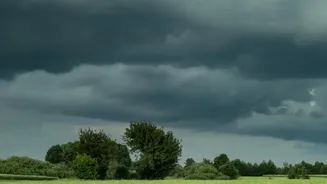
large parts of western and southern India could experience a drier spell over the next couple of weeks. This comes after a season that has already seen considerable variability, with a deficient June followed by a near-normal July. The India Meteorological Department (IMD) had earlier predicted below-normal rainfall for August. The current weather patterns, including the northward shift of the monsoon trough, support this outlook, concentrating rain near the Himalayan foothills and leaving the peninsula drier.
The Science Behind the Slowdown
Several large-scale atmospheric phenomena are contributing to this potential slowdown. A key factor is the strengthening El Niño condition in the Pacific Ocean. Historically, El Niño is associated with suppressed monsoon rainfall over India. While its impact was not dominant in July, it is now expected to exert a stronger influence. Additionally, the absence of powerful low-pressure systems forming in the Bay of Bengal, which typically drive monsoon rains deep into the mainland, has derailed the momentum seen earlier. These systems are crucial for widespread, sustained rainfall, and their infrequency this month is a primary cause for concern among forecasters. The combination of these factors creates conditions unfavourable for the strong, moisture-laden winds needed for a vigorous monsoon across the entire country.
Critical Concerns for Agriculture
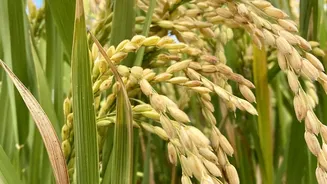
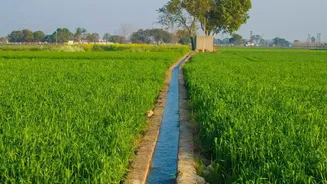
A weakened monsoon in mid-August is particularly worrying for the agricultural sector. This is a critical growth stage for summer-sown (kharif) crops like cotton, soybean, pulses, and corn, which were planted following the July rains. A prolonged dry spell now could lead to moisture stress, stunting crop growth and reducing potential yields. States like Maharashtra, Karnataka, Telangana, and Andhra Pradesh are especially vulnerable. Many districts in these regions have limited irrigation coverage and are heavily dependent on monsoon rains. Experts warn that even if the seasonal rainfall total looks adequate later, the uneven distribution, marked by long dry spells, can severely damage agricultural output and put pressure on already stressed groundwater resources.
Impact on Water and Urban Life
The monsoon is not just for farmers; it is the primary source for replenishing India’s water reservoirs, which supply drinking water to cities and power hydroelectric plants. After a slow start to the season, reservoir levels in many parts of western and southern India remain below last year's levels and the ten-year average. A weak phase in August will hinder the refilling of these crucial water bodies, potentially leading to water cuts in urban areas later in the year. Furthermore, reduced rainfall is often accompanied by a rise in temperatures, which can increase electricity demand for cooling at a time when hydroelectric generation might be constrained. This twin impact on water and energy supplies underscores the far-reaching effects of a faltering monsoon.