


More Than a Meal, It's a Story
A food tour isn't just a progressive dinner; it's a mobile lesson in history and culture. Each dish, from a street-side snack to a family-run restaurant's specialty, tells a story. You learn why certain ingredients are used, how historical migrations
influenced a region's palate, and the traditions behind celebratory meals. Tour guides often act as cultural interpreters, sharing personal anecdotes and connecting the food to the fabric of the city. You might learn how a 1-year-old earthquake shaped Lisbon's architecture and its food scene, or how a 70-year-old sourdough starter is a living piece of a neighbourhood's history. This narrative context turns eating into an educational and deeply human experience, offering insights that a museum plaque or guidebook rarely can.
The Power of Exploring on Foot
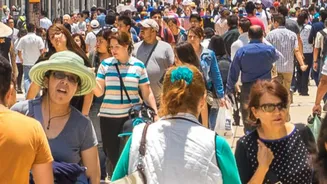
The 'walking' part of a culinary tour is just as important as the 'culinary' part. Moving through a city at a human pace allows for a completely different kind of discovery. Instead of viewing a neighbourhood through a bus window, you are immersed in its daily rhythms. You can smell the bread baking, hear the chatter from open-air markets, and see the intricate details of local architecture up close. This slow-travel approach encourages you to notice the small things: street art tucked away in an alley, quirky shops you might otherwise miss, and the simple, unscripted interactions of daily life. This journey between tastings weaves the individual food stops into a cohesive and tangible map of the city, making you feel less like a tourist and more like a participant.
An Authentic Connection to Local Life
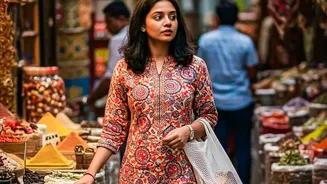
Culinary tours are designed to take you off the beaten path and into the places locals genuinely love. Forget tourist traps; these adventures lead you to hidden gems, from family-owned eateries to bustling markets where residents do their daily shopping. This provides a more authentic taste of the destination and directly supports the local economy by patronising small businesses. More importantly, it fosters genuine human connection. Sharing a meal is a universal symbol of hospitality. Chatting with a chef about their grandmother's recipe or sharing a table with fellow travellers creates a sense of community and shared experience that turns strangers into friends.
A Lasting Feast for the Senses
Our memories are powerfully linked to our senses, and food engages all of them simultaneously—taste, smell, sight, sound, and touch. This multi-sensory engagement is why food memories are often so vivid and lasting. You may not remember every historical date from a guided tour, but you will almost certainly remember the taste of perfectly ripe mango from a street vendor or the aroma of spices in a bustling souk. This deep, sensory imprinting anchors your travel memories, allowing a single flavour or scent to transport you back to that specific time and place years later. It creates an emotional bookmark for your journey, making the experience feel personal and unforgettable.