








The Modern Teacher's Dilemma
Being a teacher in India today is more demanding than ever. Beyond classroom instruction, educators are saddled with a mountain of administrative work. A heavy workload, including long hours dedicated to grading and lesson planning, is a significant source
of stress. Studies have highlighted that excessive non-teaching duties are a primary cause of burnout, a condition characterized by emotional exhaustion and a sense of ineffectiveness. In fact, many teachers report that the pressure to handle paperwork, compliance reports, and other non-academic tasks is a primary contributor to work-related stress. This leaves them with precious little time for the creative and strategic planning required for effective teaching, let alone a healthy work-life balance.
Enter the AI Co-Pilot
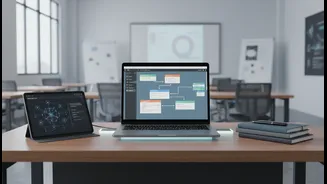
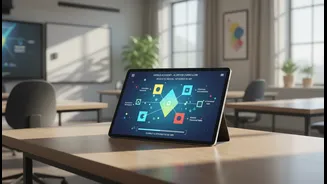
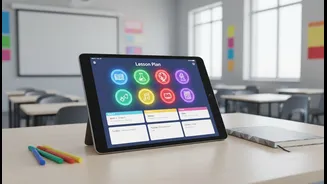
Artificial intelligence is emerging not as a replacement for teachers, but as a powerful assistant. AI lesson planning tools are platforms designed to automate and streamline the creation of educational materials. By inputting a topic, grade level, and learning objectives, a teacher can receive a structured lesson plan—complete with activities, resources, and assessment ideas—in minutes. These tools, which are being increasingly adopted in India, are designed to align with educational policies like the National Education Policy (NEP) 2020, which emphasizes technology integration and personalised learning. The goal isn't to remove the teacher from the process, but to handle the repetitive, time-consuming first draft, allowing educators to act as expert reviewers and editors.
Saving Time, Sparking Creativity
The most immediate and celebrated benefit of AI lesson planners is the gift of time. Teachers report spending hours each week on lesson planning alone. AI can drastically cut this down by generating initial drafts, curating resources like videos and articles, and even creating worksheets or quizzes. This automation of routine tasks frees up educators from administrative burdens, allowing them to redirect their energy toward more impactful activities. With the logistical groundwork laid by AI, teachers have more mental space to focus on refining the content, innovating their teaching methods, and, most importantly, engaging directly with their students.
Personalizing Learning at Scale
One of the greatest challenges in a diverse classroom is differentiating instruction to meet the needs of every student. Manually creating multiple versions of a lesson can be overwhelming. AI makes this task manageable. An AI tool can quickly generate leveled texts for varying reading abilities, suggest different activities for kinesthetic or visual learners, and create personalized learning pathways that adapt to a student's pace. This allows all students to access the same core concepts, ensuring greater equity and engagement. By handling the mechanics of differentiation, AI empowers teachers to provide the tailored support that was previously almost impossible to deliver consistently.
Navigating the Inevitable Challenges
Despite the promise, the adoption of AI in education is not without its hurdles. A critical rule is that AI should only produce a first draft; the teacher must always be the final reviewer to ensure quality, accuracy, and pedagogical soundness, as AI models can produce convincing but incorrect information. Other significant concerns include data privacy and security, as AI systems often require access to sensitive student data. There's also the risk of algorithmic bias, where AI systems trained on flawed data could perpetuate inequities. Furthermore, over-reliance on technology could potentially diminish students' critical thinking skills and reduce vital human interaction in the classroom. Proper training and professional development for teachers are essential to navigate these challenges effectively.