

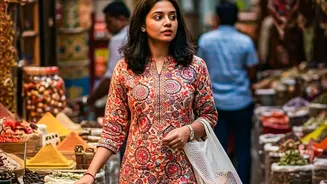


Moving Beyond the Landmark
Today's young globetrotters, particularly Millennials and Gen Z, are driven by a quest for experiences over possessions. This philosophy extends to how they travel. The passive consumption of sightseeing—viewing a palace from behind a velvet rope or snapping
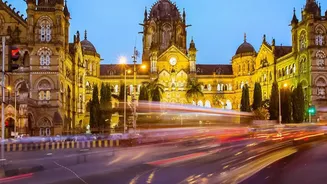
a photo of a famous statue—is being replaced by a desire for active participation. Research shows that younger generations prioritise travel, but they are looking for more than just a holiday. They want to immerse themselves, to understand the pulse of a place. A food tour is sightseeing without feeling like a lesson. It weaves together history, culture, and exploration into a single, engaging activity. Instead of just seeing a city, you get to taste it, walking its streets and hearing its stories from a local's perspective.
The Search for Authenticity
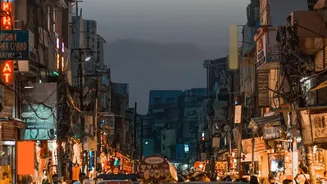
‘Authenticity’ is a major buzzword in modern travel, but what does it mean? It's about finding experiences that feel real and un-staged. Young travellers are wary of tourist traps and are actively seeking out what is genuinely local. A neighbourhood food walk is designed around this very principle. Guides lead travellers away from the crowded main squares to hidden gems—the family-run eateries, street food stalls, and local markets that they themselves frequent. This provides a window into the daily life of a community. The food becomes a vehicle for connection, a way to understand how migration, tradition, and local ingredients have shaped a neighbourhood's identity. It’s about tasting dishes prepared the way locals eat them, offering a genuine slice of life that a mainstream restaurant often cannot.
A Story in Every Bite
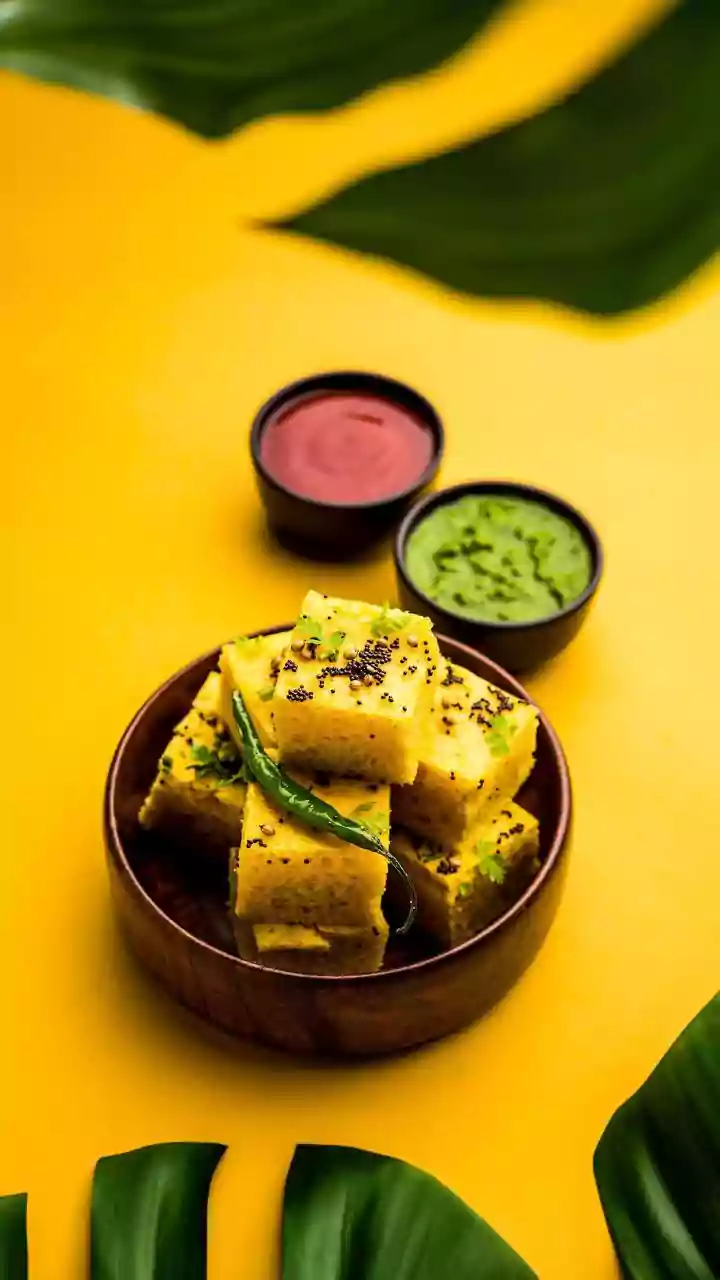
Food is a universal language, a direct line to a region's heritage. Each dish on a food walk comes with a story. You don't just eat a plate of chole bhature in Delhi; you learn about its origins, the family that has perfected the recipe over generations, and its place in the city's culinary fabric. This narrative approach transforms a meal from simple sustenance into a rich cultural lesson. It offers context that deepens the travel experience, making it more meaningful and memorable. Guides are often passionate storytellers, sharing personal anecdotes and historical tidbits that you won't find in any guidebook. This focus on storytelling is a key reason why food has become a primary driver for travel decisions among young Indians.
Connection and Community
In an increasingly digital world, there's a profound desire for real-world connection. Solo travel is on the rise, and even when travelling in groups, young people look for shared experiences. A food walk is an inherently social activity. It brings together a small group of curious travellers, creating an instant, temporary community. You share impressions, laugh over new flavours, and bond with people from different walks of life. More importantly, it facilitates interaction with the local community. You meet the vendors, hear from the chefs, and see the passion behind the food. This human element is precisely what many young adventurers are searching for—a connection that feels more profound than a simple transaction.
Shareable, But Genuinely So
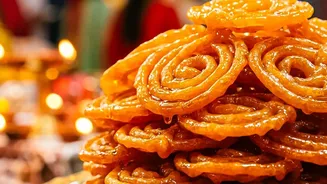
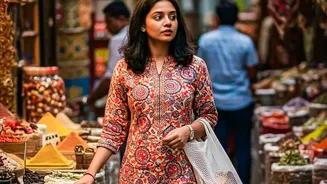
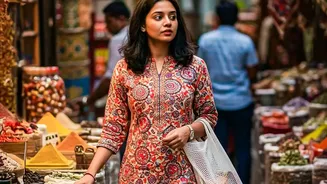
While social media undoubtedly influences travel choices for Gen Z and Millennials, the focus is shifting. It's less about a perfectly posed photo in front of a landmark and more about sharing a genuine, interesting experience. The vibrant colours of a spice market, the steam rising from a bowl of ramen, or the intricate process of making a local sweet are all visually compelling, but they also represent a real moment of discovery. Food walks provide an endless stream of this authentic, shareable content. It's a way of saying, 'Look at this incredible thing I learned and tasted,' rather than just, 'Look where I was.' This reflects a broader trend among younger travellers who see travel as a way to build resilience and improve mental wellbeing, prioritising genuine joy over performance.