



A Party of One Becomes the Norm
Across India, from metropolitan hubs to Tier-2 cities, more people are choosing to dine out alone. This shift is driven by a blend of cultural and economic factors: the rise of remote work, growing disposable incomes, delayed marriages, and a newfound
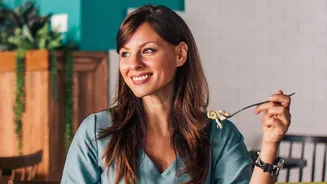
appreciation for solitude as a form of self-care. For many, especially millennials and Gen Z, eating alone is no longer about loneliness but about freedom, choice, and intentional 'me-time'. Social media has also played a role, transforming the act of solo dining from something potentially awkward into an aspirational experience. As a result, what was once an exception is now a significant and loyal customer base that restaurants can no longer afford to ignore.
The Challenge for Traditional Restaurants
While welcoming, the surge in solo diners presents a puzzle for many establishments. Traditional restaurant models are built around groups. Menus often feature large, shareable platters, and seating arrangements are designed to maximise revenue from tables of two, four, or more. A single person occupying a four-top during peak hours can seem like an operational compromise. Furthermore, large portion sizes, designed for families or couples, can be intimidating and impractical for an individual. This often leaves the solo diner with limited choices, forced to either over-order or stick to the appetiser section, which can lead to a less satisfying experience and potential food waste.
The Menu Gets a Makeover
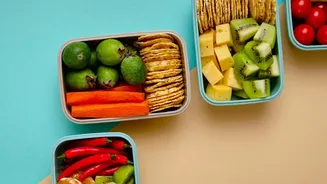
In response, savvy restaurants are re-engineering their menus with the individual in mind. The goal is to offer variety and a full dining experience without the commitment of oversized dishes. This has led to the introduction of tasting menus for one, half-portions, and flexible combo meals that allow a diner to sample multiple items. Fine-dining establishments are creating curated prix fixe menus with smaller, precise portions, ensuring solo guests feel just as catered to as a large party. Chef Vaibhav Bhargava of Zuki in Noida notes that menus are being recalibrated with tasting formats and mix-and-match choices so a solo diner never feels like an afterthought.
Putting Food Waste on the Chopping Block
The move towards smaller, individualised portions directly addresses a major industry problem: food waste. Restaurants generate a significant amount of waste, often from large portions that customers can't finish. When a solo diner is faced with a dish meant for two, the likelihood of leftovers being discarded is high. By offering appropriately sized meals, restaurants not only improve the customer experience but also make a tangible impact on their environmental footprint. This approach is more sustainable, reducing the amount of food that ends up in landfills. It’s a win-win, cutting down on waste for the business while allowing the customer to enjoy a guilt-free meal tailored to their appetite.
A New Definition of Value
The solo dining trend is also changing how customers perceive value. For today's diner, value isn't just about getting the largest amount of food for the lowest price. Instead, it's increasingly defined by the quality of the experience, the variety of choices, and the ability to customise a meal. A solo diner might be willing to spend more for a premium, well-portioned tasting menu that allows them to explore a chef's creations than for one massive, monotonous dish. This shift forces restaurants to compete on experience and quality rather than sheer volume, understanding that for many, dining alone is a form of affordable luxury and self-expression.