




Ignore the Front, Read the Back
The front of the package is marketing. The back is where the facts live. The first and most important step is to ignore the exciting claims like 'Protein Power' or '20g Protein!' and immediately turn the product over to find the Nutritional Information
panel and the ingredients list. In India, the FSSAI mandates this panel, which is your most reliable source of information. Claims like 'high protein' are regulated, but the bar can be low. For example, a solid food can be labelled 'high in protein' if it has at least 12g of protein per 100g. This tells you nothing about what else is in the product.
Analyse the Protein per 100g
Labels show values 'per serving' and 'per 100g'. The serving size is set by the manufacturer and can be misleadingly small to make the numbers look better. Always use the 'per 100g' column to make a fair comparison between different products. This standardises the measurement, so you're comparing apples to apples. A snack that seems high in protein might just have a very large 'serving size'. Check the actual grams of protein, not just the marketing claims. A snack should have at least 7-10 grams of protein per serving to be considered a meaningful source.
Scrutinise the Ingredients List
Ingredients are listed in descending order by weight. If the first few ingredients are some form of sugar (like corn syrup or fructose) or refined flour, the product is not a healthy choice, regardless of its protein content. Look for whole-food ingredients at the top of the list, such as nuts, seeds, lentils (dal), or chickpeas (chana). The type of protein also matters. Protein from whole foods like paneer, nuts, and roasted chana is often accompanied by fibre and healthy fats, which help you feel full. Protein isolates (like soy or whey isolate) are processed and lack these additional benefits.
Watch for Hidden Sugars and Sodium
Many protein bars and snacks are little more than candy bars in disguise. They are often loaded with added sugars to improve the taste. Check the 'of which sugars' line in the nutrition panel. Even seemingly healthy syrups like brown rice syrup or fructose syrup are still just sugar. Similarly, processed snacks can be very high in sodium to enhance flavour and act as a preservative. A high sodium content can offset the benefits of the protein, contributing to issues like high blood pressure. Aim for snacks that are low in both added sugars and sodium.
Consider the 'Protein Package'
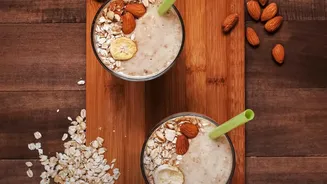
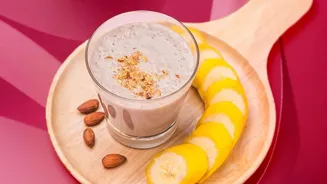
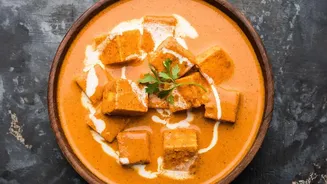
A high protein number doesn't automatically make a food healthy. It's crucial to consider the entire 'protein package'—what else you're consuming along with the protein. Many processed protein foods are also high in saturated fats and may contain trans fats, which can increase the risk of heart disease. Often, the best high-protein snacks are not the ones in shiny packages, but traditional Indian options like roasted chana, a bowl of sprouts, paneer cubes, or a handful of peanuts and almonds. These whole foods provide a better balance of nutrients without the unwanted additives.