




Source Locally and Seasonally
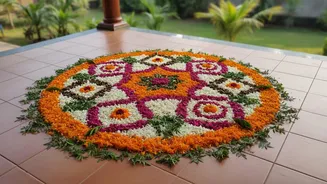
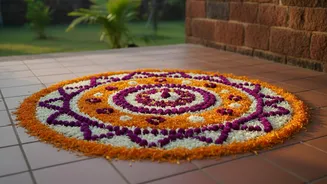
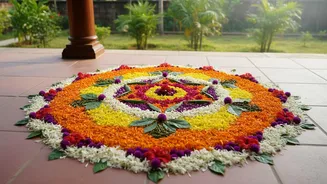
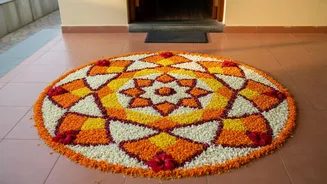
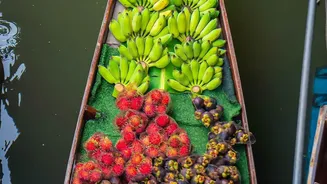
The most authentic Pookkalam traditionally use flowers that are readily available. Instead of opting for exotic blooms that travel long distances, explore your local markets for seasonal flowers like marigolds (jamanthi), jasmine, and hibiscus (chemparathy).
This not only ensures freshness and reduces the carbon footprint associated with transportation but also supports local growers and vendors who are a vital part of the festive economy. By choosing local, you connect more deeply with the harvest spirit of Onam, which celebrates nature's abundance in your own region.
Forage from Your Garden
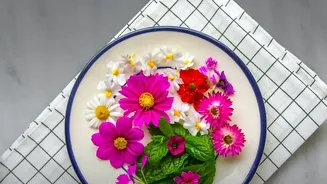
The most sustainable flowers are the ones you don't have to buy at all. Look around your own home and garden for materials. Colourful leaves, ferns, and herbs like tulsi can create beautiful green contrasts within your design. Many households have flowering plants that can contribute a handful of petals. Incorporating these elements not only reduces waste and cost but also adds a personal, unique touch to your Pookkalam, making it a true reflection of your immediate environment.
Think Beyond Petals
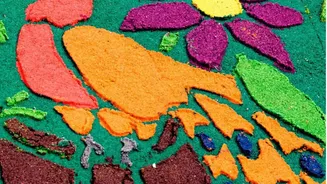
A stunning Pookkalam doesn't have to be made exclusively of flowers. Traditionally, other natural materials were also used to add texture and colour. You can supplement your design with coloured rice powder, sawdust, turmeric, and other spices. Even natural items like small pebbles, twigs, and dried seed pods can be arranged to create intricate patterns. This practice reduces the sheer volume of flowers needed and encourages creativity, turning your floral carpet into a mixed-media masterpiece.
Mindful Designs: Smaller Can Be Better
While grand, sprawling Pookkalams are breathtaking, a smaller, more intricate design can be just as impactful. Consider creating a compact Pookkalam in a corner of your home or on a balcony, especially in apartment settings. Focusing on a dense, detailed pattern often requires fewer flowers than filling a large space. This approach encourages mindful creation and helps manage the amount of floral waste generated each day of the ten-day festival.
Embrace the Community Pookkalam
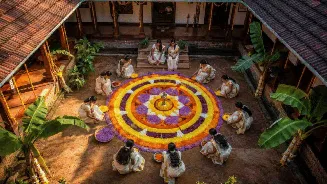
Onam is a festival of unity and togetherness. Instead of every family creating a large Pookkalam, consider collaborating with neighbours in your apartment building or community. A single, magnificent Pookkalam in a shared space can become a focal point for celebrations, fostering community spirit while significantly cutting down on the total number of flowers used. This collective effort embodies the spirit of teamwork that Pookkalam competitions often celebrate.
The Afterlife of Flowers: Composting
Once the celebrations are over, don't let the beautiful petals end up in the bin. Floral waste is a rich source of nitrogen and composts very effectively. Separate the petals from any non-biodegradable elements. You can add them to your home compost bin, alternating layers of flowers with 'brown' materials like dry leaves or shredded newspaper. In a few months, this will turn into nutrient-rich compost for your garden, returning nature's gift back to the soil.
Upcycle and Repurpose Petals
If composting isn't an option, there are other creative ways to give your used flowers a second life. Dried petals can be used to make potpourri. Simply dry the petals until they are crisp, then mix them with spices like cinnamon or a few drops of essential oil in an airtight container. Some flowers can also be used to create natural dyes for fabric or paper. These simple upcycling projects extend the beauty of the festival and ensure nothing goes to waste.