

The Damp Weather Challenge
Monsoon season creates a perfect breeding ground for harmful microorganisms. The combination of warmth and moisture allows pathogenic bacteria and viruses to thrive on surfaces, in water supplies, and on food. This leads to a spike in water-borne and food-borne
illnesses like diarrhoea, typhoid, and gastroenteritis. Simultaneously, the high humidity can slow down our digestive system, making us more vulnerable. This increased exposure to pathogens, coupled with a potentially compromised digestive state, puts significant stress on our body's immune defences, a large portion of which are located right in our gut.
Your Gut: The First Line of Defence
Think of your gut as a bustling city populated by trillions of microorganisms, collectively known as the gut microbiome. This community of mostly beneficial bacteria plays a critical role in everything from digesting food and absorbing nutrients to regulating your immune system. A healthy, balanced microbiome forms a protective barrier along your intestinal wall, preventing harmful pathogens from entering your bloodstream. When this balance is disrupted by factors like a poor diet or stress, the gut's defences weaken, making you more susceptible to the very infections that flourish during damp weather.
Probiotics: The Gut's Reinforcements
This is where probiotics come in. Probiotics are live, beneficial bacteria that, when consumed, help reinforce your natural gut flora. They work in several ways: they compete with harmful bacteria for space and nutrients, they can produce substances that inhibit the growth of pathogens, and they help maintain the integrity of the gut lining. By bolstering the population of 'good' bacteria, probiotics support your immune system's ability to fight off invaders. This is especially crucial during the monsoon when your system is under constant pressure from an environment teeming with microbes.
Harnessing Traditional Indian Wisdom
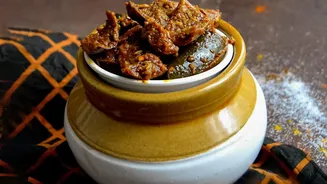
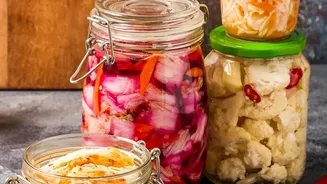
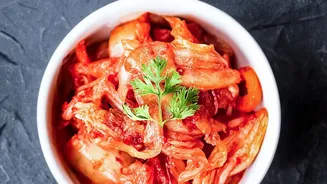
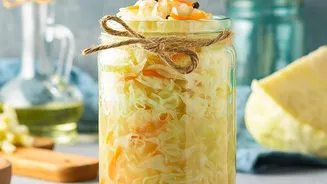
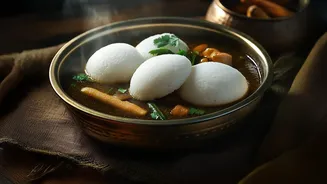
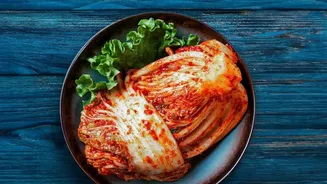
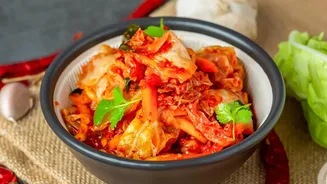
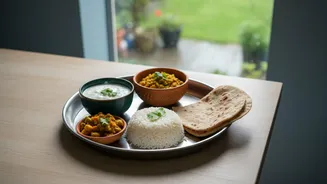
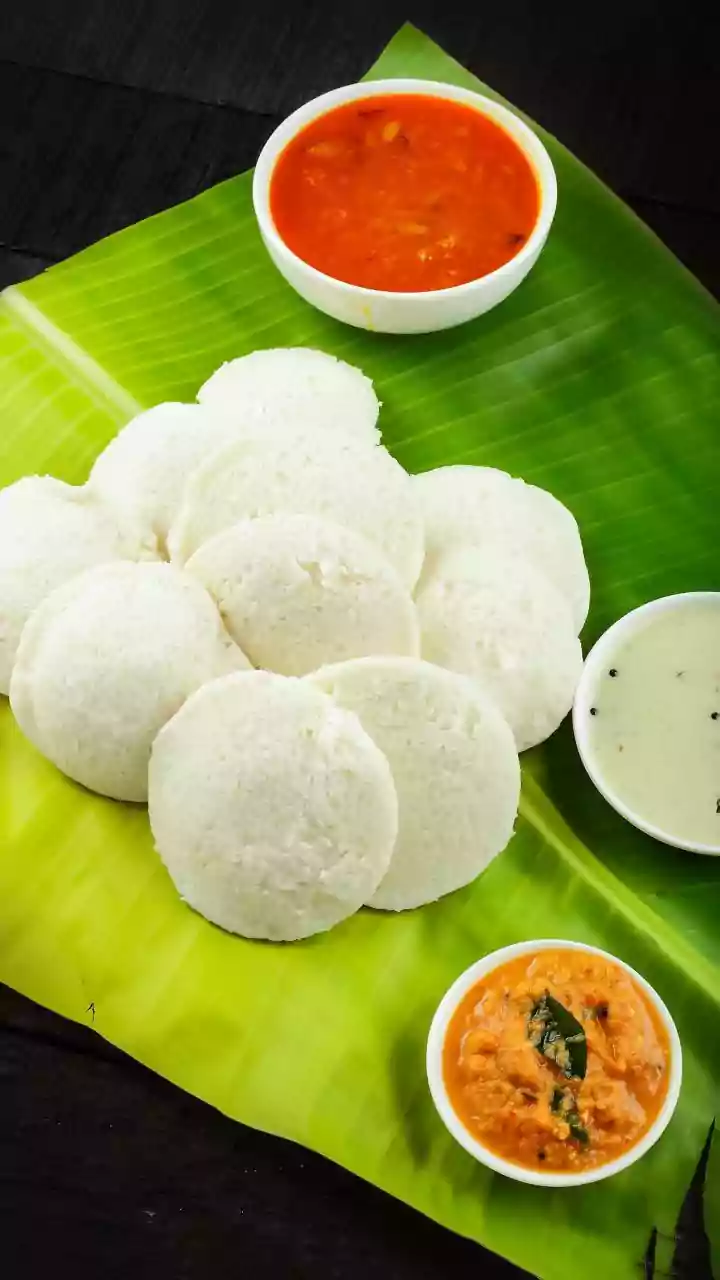
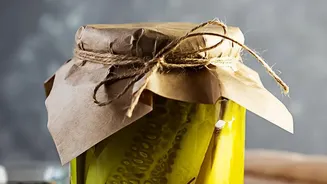
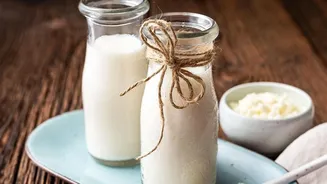
Long before probiotics were available in supplement form, Indian culinary traditions had mastered the art of fermentation, creating a rich variety of natural probiotic foods. These preparations are not only affordable and accessible but are also perfectly suited to support gut health. Staples like homemade Dahi (curd) and Chaas (buttermilk) are packed with Lactobacillus strains that aid digestion and boost immunity. Fermented batters for foods like Idli and Dosa undergo a process that not only creates beneficial bacteria but also makes nutrients more available for absorption. Other traditional preparations include Kanji, a fermented drink made from black carrots, and even homemade pickles (fermented without vinegar), which are rich sources of gut-friendly microbes.
Making It a Daily Habit
Incorporating these foods into your diet is a simple and effective strategy for seasonal wellness. Aiming for one serving of a fermented food daily can help maintain a healthy gut microbiome. A bowl of fresh, homemade curd with your lunch, a glass of buttermilk in the afternoon, or starting your day with steamed idlis can make a significant difference. The key is consistency. Unlike reaching for medication after you already feel unwell, regularly consuming these traditional probiotic foods helps build a resilient gut environment that is better prepared to handle the challenges of the damp season. Homemade versions are often best, as commercial processing can sometimes destroy the live cultures that provide the benefits.