







The Foundation: Master Your Base Layer
The first rule of monsoon layering is to get your base right. This is the layer against your skin, and its job is to manage moisture and keep you comfortable. Heavy fabrics like denim and thick cotton are a nightmare; they absorb water, become heavy,
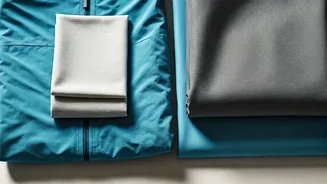
and take ages to dry, leaving you feeling damp and sticky. Instead, opt for fabrics that are lightweight and breathable. Fine cotton, linen, and rayon are excellent choices. They allow air to circulate and don't cling in the humidity. For days with a high chance of rain, consider synthetic blends with polyester or nylon. These materials are engineered to be quick-drying and resist water absorption, making them a practical and reliable foundation for any layered look.
The Mid-Layer: Your Secret to Adaptability
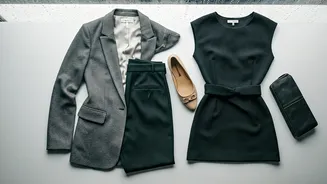
The second layer is where the 'smart' strategy comes into play. This is your adaptable piece, meant to be added or removed as you move between environments. Think of it as your tool for temperature control. Forget heavy sweaters or thick jackets. Instead, reach for lightweight options like an open button-down shirt, a longline shrug, a stylish vest, or a thin, unlined jacket. These pieces provide just enough coverage for a chilly office or a breezy evening without adding bulk. The key is versatility. A simple overshirt can be worn open for a casual look or buttoned up if you need a bit more polish, giving your outfit flexibility throughout the day.
The Outer Shell: Your Stylish Shield
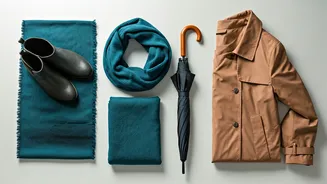
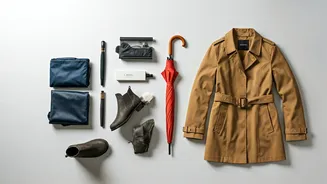
Your final layer is your primary defence against the elements, but it doesn't have to be a shapeless poncho. Today’s rainwear is both functional and fashionable. A lightweight, water-resistant shell jacket is essential. Look for features like a hood and sealed seams for proper protection. Many modern raincoats are made from breathable materials that prevent you from feeling sweaty by allowing moisture to escape. Don't be afraid to add a pop of colour with your outerwear. A bright trench coat or a vibrant parka can elevate your entire outfit and counter the gloomy grey of a rainy day. The goal is to find a piece that shields you from the rain while complementing your style.
Smarter Bottoms for Wet Streets
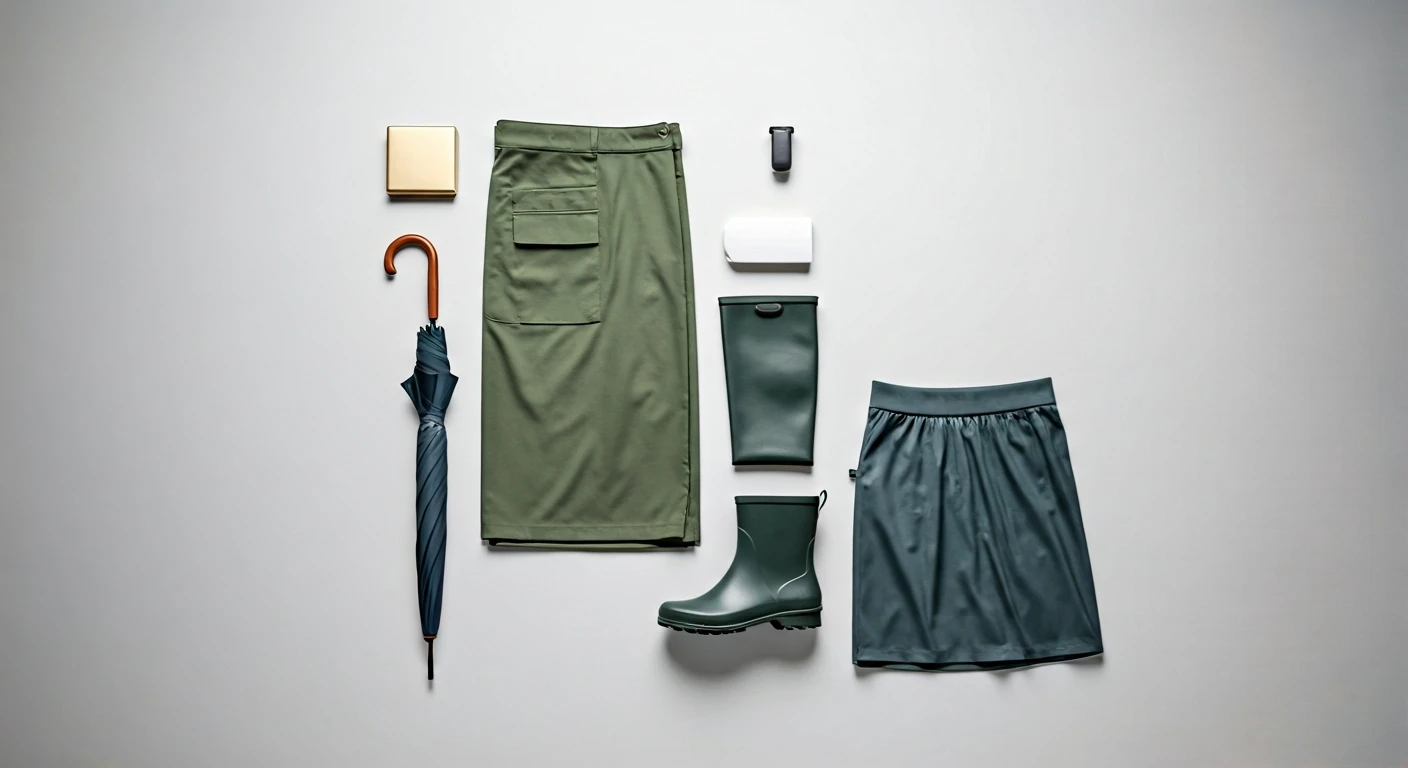
Your choice of bottoms is just as crucial as your layers. Long, floor-grazing pants or skirts are a practical hazard, destined to get soaked and splattered with mud. The solution is to opt for shorter hemlines. Cropped trousers, culottes, joggers, and skirts that end at or above the ankle are ideal choices. They keep the fabric away from puddles and allow for easier movement. The fabric choice here is also important. As with base layers, avoid heavy denim. Instead, choose trousers made from quick-drying synthetic blends, cotton, or linen. These materials won't weigh you down if they get damp from a splash.
Functional Footwear Is Non-Negotiable
The wrong shoes can ruin your day—and your outfit. Leather and suede are easily damaged by water, while canvas sneakers become waterlogged and uncomfortable. Your best bet is waterproof footwear that combines style with practicality. Rubber sandals, jelly flats, and waterproof sneakers or boots are excellent options that can handle wet streets with ease. Look for footwear with a good grip to prevent slipping on slick surfaces. Many brands now offer stylish and comfortable rain-proof shoes, so you don't have to sacrifice your aesthetic for the sake of staying dry. Investing in a reliable pair of monsoon-ready shoes is one of the smartest fashion decisions you can make for the season.