




Embrace the 'Workout Snack'
Forget the 'all or nothing' mindset that demands an hour at the gym. Studies show that even 10-minute bursts of activity, often called 'exercise snacks', provide significant health benefits. The key is consistency, not duration. Splitting your usual 30-minute
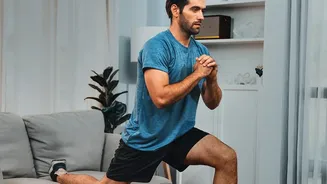
workout into three 10-minute sessions throughout the day can feel much more manageable. You could do a quick bodyweight circuit in the morning, a brisk walk during your lunch break, and some stretches before bed. This approach keeps your metabolism active and makes it easier to fit movement into a packed schedule. The goal is to accumulate activity, and every little bit counts toward your daily total.
Try High-Intensity, Short-Duration Workouts
When time is your most precious commodity, intensity is your best friend. High-Intensity Interval Training (HIIT) is designed for efficiency, involving short bursts of all-out effort followed by brief rest periods. A popular form of HIIT is Tabata, which consists of 20 seconds of maximum-effort exercise followed by 10 seconds of rest, repeated for just four minutes per exercise. You can create a powerful 15-20 minute workout using compound movements like squats, push-ups, burpees, and kettlebell swings, which engage multiple muscle groups at once for maximum impact in minimum time. These workouts keep your heart rate elevated and can burn more fat in less time, making them perfect for the festive rush.
Schedule It Like an Appointment
One of the most effective strategies is to treat your workouts like non-negotiable appointments. At the start of each week, look at your calendar and block out specific times for exercise. By writing it down in your planner or setting a calendar reminder, you elevate its importance and are less likely to skip it. Many people find success with morning workouts, as it gets done before the day's social obligations and distractions can interfere. Research shows that morning exercise can boost your energy for the day, improve focus, and may even lead to healthier food choices later on.
Make Socialising Active
The festive season is about connecting with loved ones, but that doesn't always have to happen over a meal. Suggest active gatherings instead. Plan a family walk to see the festive lights, organize a game of cricket in the park, or have a dance party at home to your favourite festive tunes. Involving friends and family not only helps you stay accountable but also makes fitness fun and celebratory. Instead of sitting on the couch after a big meal, encourage everyone to go for a light 15-minute stroll. It aids digestion and adds some gentle movement to your day.
Use Your Environment Creatively
Your surroundings offer plenty of opportunities for movement. Always choose the stairs over the elevator. When you're out shopping for gifts, park your car further away from the entrance to get in extra steps. While waiting for food to cook or during TV commercials, you can do simple bodyweight exercises like squats, jumping jacks, or planks. These small activities might seem minor on their own, but they add up, helping to keep your body active and your energy levels up without needing a gym. The goal is to integrate movement into your daily festive life, rather than seeing it as a separate chore.
Prioritise Balance and Hydration
Staying fit during the festive season is about balance, not restriction. Enjoy your favourite treats, but do so mindfully and in controlled portions. Don't skip meals to 'save' calories, as this often leads to overeating later. Alongside mindful eating, staying hydrated is crucial. Drinking plenty of water helps manage hunger, aids digestion, and can help flush out toxins from indulgent food and drinks. Finally, listen to your body. The season can be exhausting, so don't neglect rest and recovery. A missed workout is not a failure; just get back on track the next day. Consistency is more important than perfection.