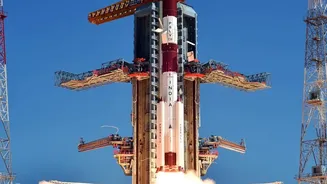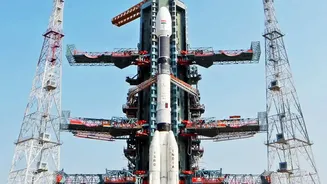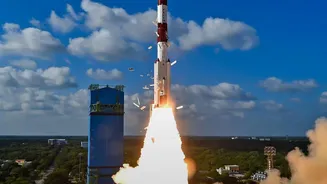



The Ultimate Technological Gauntlet
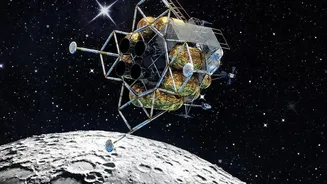
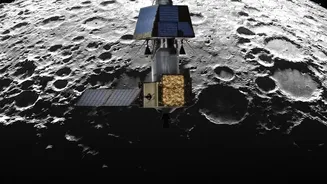
A lunar sample return mission is widely considered one of the most challenging feats in robotic space exploration. It's not one mission, but several rolled into one highly complex package. First, a spacecraft must perform a precise, soft landing on the lunar surface.
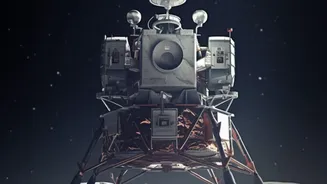
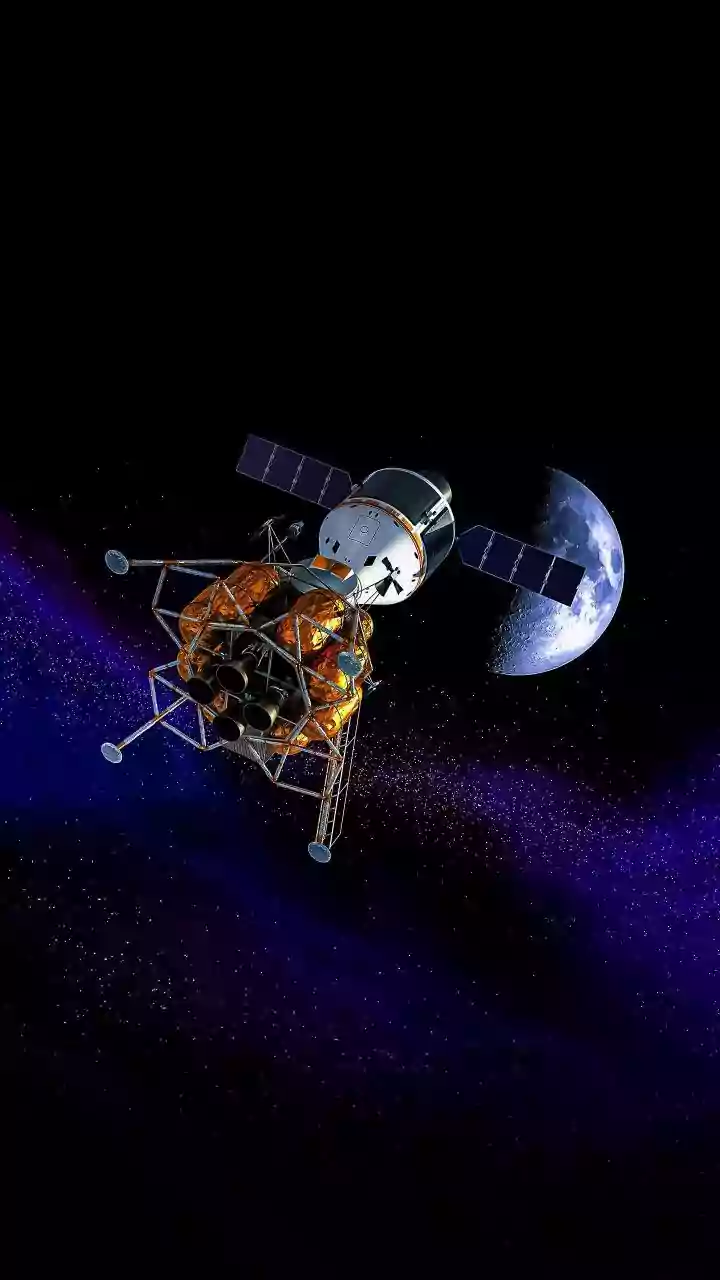
Then, it has to deploy robotic systems, like an arm and a drill, to collect soil and rock samples and seal them in a pristine container. The real test comes next: a separate module must launch itself off the Moon, a process called lunar ascent, and achieve orbit. In that orbit, it must autonomously rendezvous and dock with another spacecraft waiting to begin the journey home. Finally, a re-entry module must survive a fiery plunge through Earth’s atmosphere to deliver its precious cargo safely. Mastering this entire sequence—landing, collecting, ascending, docking, and returning—demonstrates a level of end-to-end capability that is exceptionally rare.
Joining an Exclusive Global Club
Successfully bringing back pieces of the Moon will place India in an elite club of space-faring nations. To date, only the United States (with its crewed Apollo missions), the former Soviet Union (with its robotic Luna missions), and China (with its recent Chang'e missions) have accomplished this feat. For India to become just the fourth country to achieve a lunar sample return would be a monumental statement. It moves ISRO beyond the impressive, but more common, achievements of orbiters and landers into a domain of proven deep-space mastery. This accomplishment provides immense national prestige and signals to the world that India is not just a participant in the new space race, but a leader with the technical prowess to execute the most demanding missions.
Unlocking New Scientific Frontiers
While robotic rovers can perform valuable analysis on-site, there is no substitute for studying lunar samples with the full power of Earth-based laboratories. Pristine samples, especially from a previously unexplored region like the Moon's south pole, are a scientific treasure trove. These rocks and soil act as a time capsule, holding secrets about the formation of the Moon, the history of our solar system, and even the early days of Earth itself. Scientists can analyze their mineralogy and chemistry to understand the potential for resources like water ice and helium-3, which are critical for supporting future human bases. Advanced instruments on Earth can date the samples with incredible precision, helping to refine our understanding of the asteroid bombardment that shaped both the Moon and our own planet billions of years ago.
Paving the Way for Human Missions
Chandrayaan-4 is not just about bringing rocks back; it's a crucial stepping stone for India's long-term human spaceflight ambitions. The technologies demonstrated in this mission are fundamental for sending astronauts to the Moon and returning them safely. The lunar ascent vehicle is a precursor to a craft that could lift humans off the lunar surface. The automated rendezvous and docking in lunar orbit are the exact same manoeuvres a crewed mission would need to perform. The high-speed re-entry vehicle proves the technology needed to protect astronauts on their return journey. By validating these key capabilities with Chandrayaan-4, ISRO is systematically building the experience and technical foundation required to achieve its stated goal of landing an Indian astronaut on the Moon by 2040.