






That sharp, biting wind on a cold day does more than just give you a chill. It actively works against your skin, stripping away vital moisture and leaving it vulnerable, dry, and irritated. Here’s the science behind this daily battle.
Understanding Your Skin's Natural Shield
Your skin has a brilliant,
built-in defence system called the skin barrier, or stratum corneum. Think of it as a brick wall: the skin cells are the 'bricks', and a complex mixture of natural fats like ceramides and cholesterol act as the 'mortar' holding everything together. This barrier has two main jobs: keeping harmful environmental irritants out and, crucially, sealing precious water in. A healthy, intact barrier is what makes skin feel soft, supple, and hydrated. This constant, slow evaporation of water from the skin's surface is a natural process known as transepidermal water loss, or TEWL. While some TEWL is unavoidable, the goal is to keep it from accelerating.
How Cold Wind Sabotages Your Skin
Cold, windy weather is a formidable enemy of your skin barrier. Cold air holds significantly less moisture than warm air, creating a low-humidity environment. When this dry air, propelled by wind, hits your skin, it drastically speeds up transepidermal water loss. The wind effectively strips away the thin layer of protective oils on your skin's surface, compromising the 'mortar' of your skin barrier. This damage creates tiny, invisible cracks in the barrier, allowing even more moisture to escape and leaving the skin dehydrated, tight, and flaky. This is why skin conditions like eczema and rosacea often flare up during colder, windier months.
Your First Line of Defence: Physical Barriers
The most straightforward way to protect your skin is to create a physical barrier between it and the harsh wind. This is a non-negotiable first step. Covering exposed skin significantly reduces its contact with cold, dry air. Simple items like a soft scarf, a neck gaiter, or a jacket with a high collar can effectively shield your face and neck. Don't forget your hands and lips; gloves are essential, and a good quality lip balm creates an immediate shield for one of the most delicate areas of your face. For those who engage in winter sports like skiing, a balaclava and sunglasses or goggles provide comprehensive protection against intense wind and cold.
Reinforcing Your Skin Barrier with Skincare
Beyond physical coverings, your skincare routine is your secret weapon. The focus should be on repairing and reinforcing the skin barrier. Look for moisturisers with three key types of ingredients. Humectants, like hyaluronic acid and glycerin, act like magnets, pulling moisture into the skin. Emollients, such as shea butter and plant oils like jojoba oil, soften the skin and help fill in the gaps in the barrier. Finally, occlusives, like beeswax or petrolatum, form a protective seal over the skin to prevent moisture from evaporating. In winter, it is wise to switch to a richer, cream-based moisturiser rather than a light lotion, especially for dry skin types. Applying moisturiser to slightly damp skin after washing helps lock in even more hydration.
Daily Habits for Resilient Skin
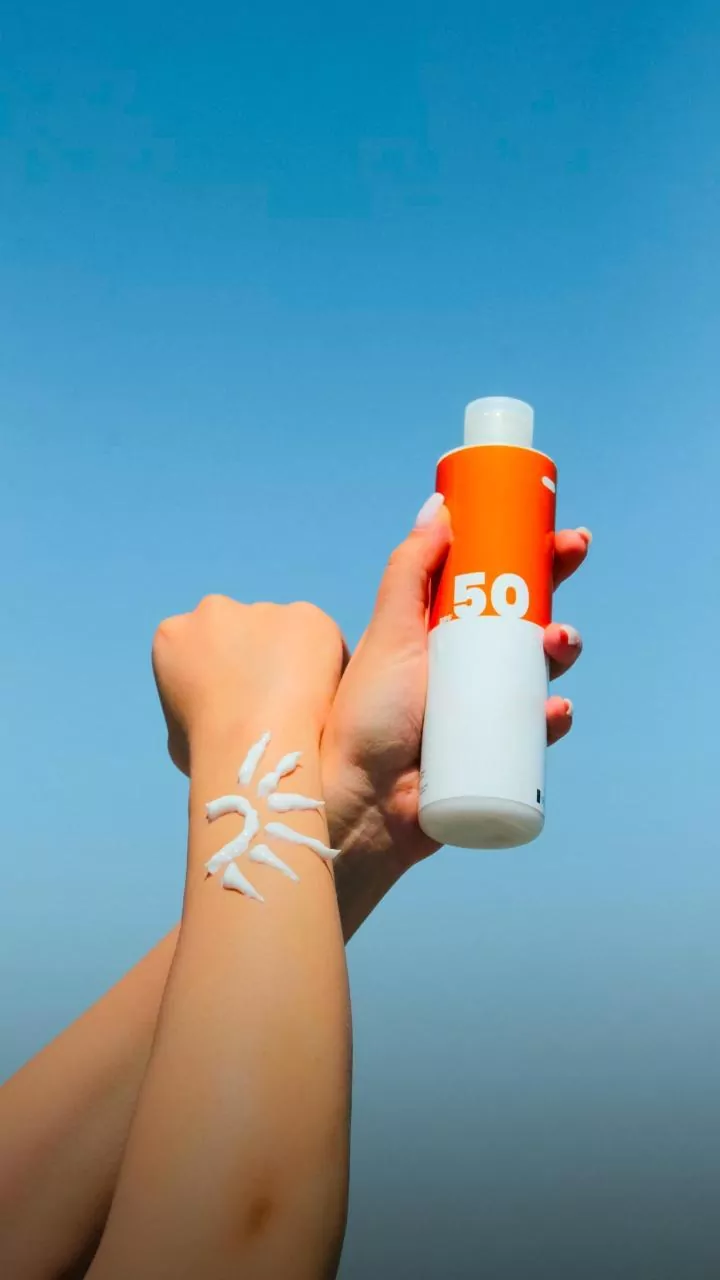
Protecting your skin is a daily commitment. Avoid long, hot showers, which can strip the skin of its natural oils; opt for lukewarm water instead. Use a gentle, hydrating, fragrance-free cleanser that doesn't leave your skin feeling tight or dry. During periods of high wind, it's best to pause the use of harsh exfoliants, strong acids, or retinol-based products, as these can further sensitise a compromised barrier. Sunscreen is still a must, even on cloudy winter days, as UV rays can cause damage and wind does not block them. Finally, using a humidifier indoors can help add moisture back into your environment, giving your skin a much needed break from the dry heated air.